-
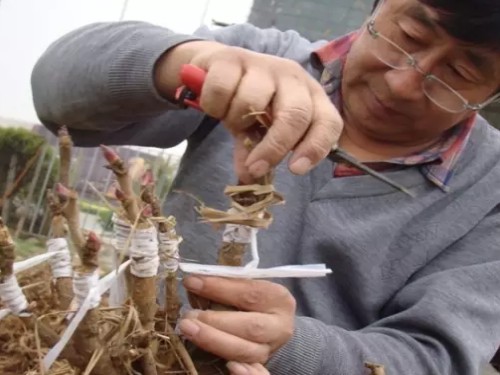
Detailed Explanation of Grafting Methods and Techniques for Ornamental Tree Peonies
China ranks first in the world in tree peony exports, accounting for about 70% of the total. Heze's tree peony exports account for about 80% of China's total exports, making it a veritable world number one tree peony distribution center. Annual exports of tree peonies and herbaceous peonies are basically around 3.5 million plants, of which tree peonies account for about half
-
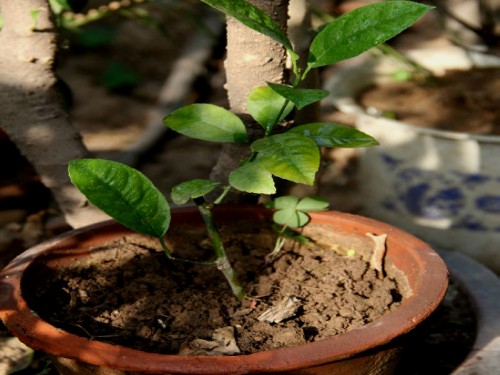
Can lemon trees be propagated from cuttings? A detailed guide to cutting propagation techniques
Citrus fruit seeds can all be used to make fresh indoor potted plants, such as lemon, orange and pomelo, though of course you need to know some basic growing skills. They usually take several years to bear fruit, so this requires a great deal of patience. A potted lemon is also very ornamental
-
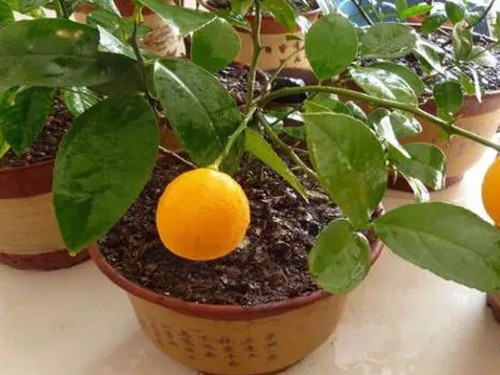
Lemon Potted Cultivation Methods - Potted Lemon Tree Propagation Methods
Lemons are grown in large quantities in the south, where grafting is suitable for propagation; in the north, where cultivation is limited, cuttings are mainly used, or grafted seedlings can be purchased for growing. Lemon roots have high requirements for water, nutrients and soil, so potting soil should be mixed into a well-draining, airy, water- and fertilizer-retentive, slightly acidic growing medium. Timing for potting and repotting
-
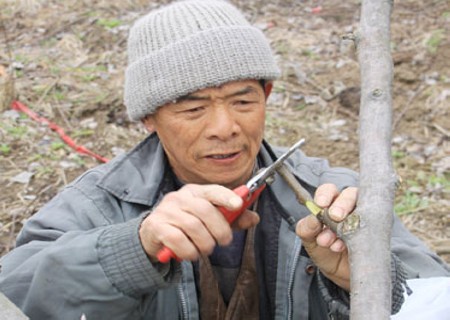
Detailed Explanation of Pear Tree Grafting Methods and Technical Points
Pear tree grafting in July and August mainly refers to bud grafting. First, grafting for pear nursery seedling raising and after rootstock orchard establishment. Second, grafting when renewing varieties. That is, when renewing inferior variety trees with good branching ability in a one-year-old pear orchard, the high bud grafting method is used to change the top. The grafting of pear tree rootstocks uses T-shaped bud grafting
-
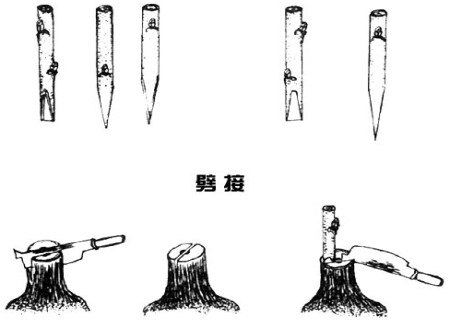
Detailed Explanation of the Key Operation Points of the Cleft Grafting Technique for Pear Trees
Among fruit trees, the pear tree is a species that is relatively easy to graft, and most grafting methods readily succeed. In summer, it is best to use the three bud grafting methods: patch budding, chip budding and T-shaped budding; in spring, it is best to use the two scion grafting methods: single-bud side grafting and cleft grafting
-
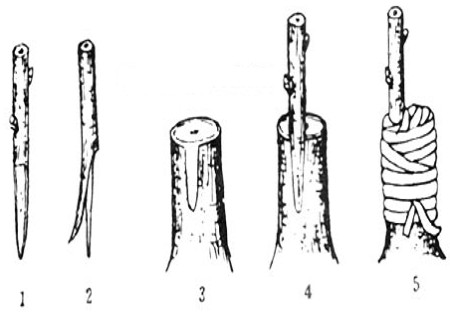
Detailed Explanation of the Operation Method for the Bark-Grafting Tongue Approach Technique on Pear Trees
Grafting is the artificial joining of tissues such as a branch or bud from one plant onto a suitable part such as the branch, trunk or root of another plant, so that they heal and grow together to form a new plant. This branch or bud is called the scion, and the plant that bears the scion is called the rootstock. When grafting
-
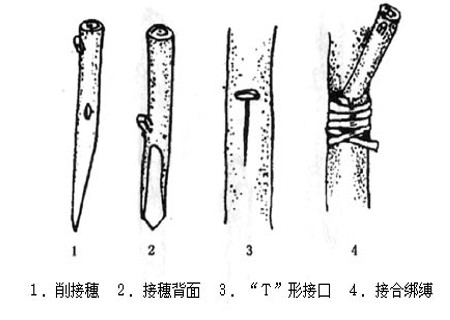
A detailed guide to the side-grafting technique for pear trees: master the key operation points
For grafting pear rootstock, I use T-shaped budding; for thicker suckers, side grafting or cut grafting can be used. For pear seedlings after transplanting and grafting, because the density in the sowing bed is relatively high, growth is often uneven, so it is best to plant out the grafted half-grown seedlings separately before spring growth the following year.
-
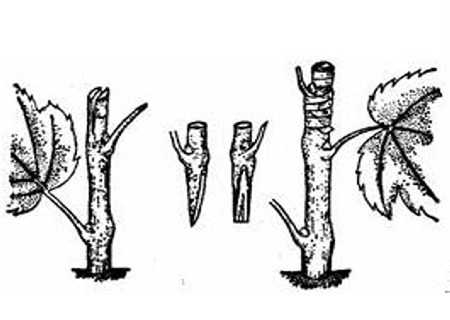
Key Points and Detailed Operation Methods of Softwood Grafting on Pear Trees
Grafting is a propagation method in which a branch or bud from one plant is attached to the branch, trunk or root of another plant so that they form a new plant. The nursery stock produced by grafting is called a grafted seedling. The branch or bud used for grafting is called the scion, and the plant that bears the scion is called the rootstock
-
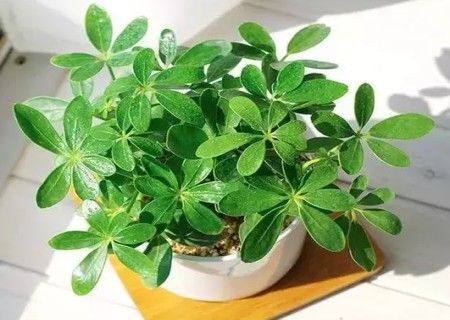
Umbrella Tree (Schefflera arboricola) Cutting Propagation Method Illustrated Tutorial
The Schefflera arboricola, also known as the umbrella tree, is China's money tree. In many public places, even in courtyards and entrance halls, a pot of Schefflera arboricola is placed, looking very impressive. Schefflera arboricola not only plays a good role in beautifying and greening the home environment, but also has feng shui effects; Schefflera arboricola has a certain effect of warding off evil. There is a saying that goes like this: potted plants with relatively wide leaves and relatively large leaf area have a good effect of warding off evil, and Schefflera arboricola placed in places with evil energy is quite good. If you already have a pot of Schefflera arboricola at home, why not try how to propagate more pots through cuttings!
-
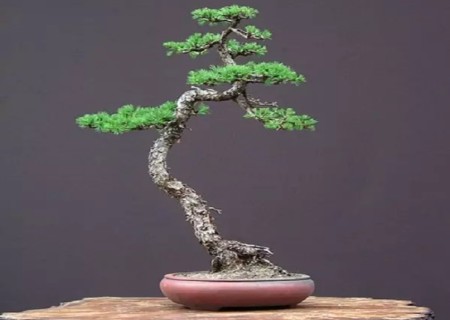
Illustrated guide to the whole process of styling a literati tree bonsai, teaching you step by step
Literati trees often use vivid, distinctive, fresh and exquisitely skilled artistic imagery to give the best interpretation of the lofty, proud aspirations, the solitary elegance and the untrammeled, independent humanistic spiritual pursuit of Chinese intellectuals since ancient times; literati trees are more about expressing oneself, while Suren style is more
条件筛选