-
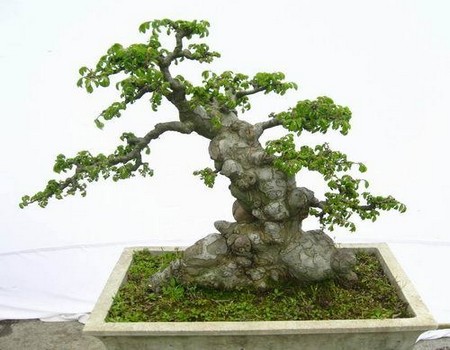
Detailed Explanation of the Key Points of Chinese Scholar Tree Bonsai Shaping and Pruning Techniques
The Chinese scholar tree (Sophora japonica) has a low branching rate, with no lateral branches on the middle and lower parts of the trunk, and the trunk thickens slowly. Moreover, most of these trees have hard wood but a slow lignification process, which makes the trunks of young seedlings thin and soft. Because the upper part of the seedling has a high water content and dense leaves, it easily sprouts branches during the second growth period, causing a top-heavy condition. After wind, rain and sun exposure, the seedling naturally bends.
-
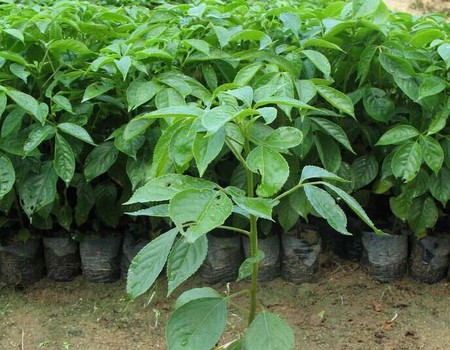
Flamboyant Tree Seed Propagation Methods and Key Technical Points Explained
Flamboyant tree, also known as flamboyant flower and fire tree, belongs to the Fabaceae family, genus Delonix. As an excellent garden ornamental tree and street tree species, the flamboyant tree is widely planted in southern regions. Its branches are elegant and leaves beautiful, with clusters of red flowers that are brilliant and eye-catching, making it beloved by landscaping departments everywhere. For this reason, we conducted observations on the growth patterns of the flamboyant tree
-
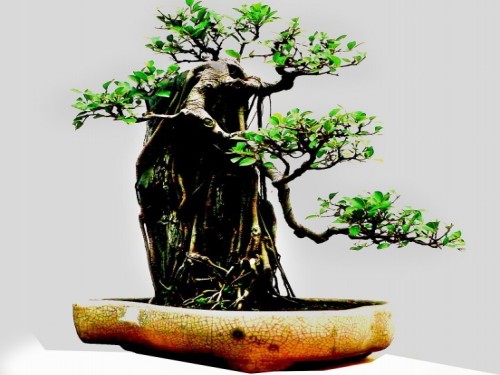
How to water bonsai trees? A detailed guide to the correct watering method
Watering is one of the main management tasks in bonsai tree care. Trees growing in pots have limited soil, so they dry out easily. If water is not replenished in time, they will suffer from lack of water and die; however, overwatering is also bad, as it can cause leggy growth. If the soil stays too wet for a long time, the roots cannot breathe properly and are prone to rot and death.
-
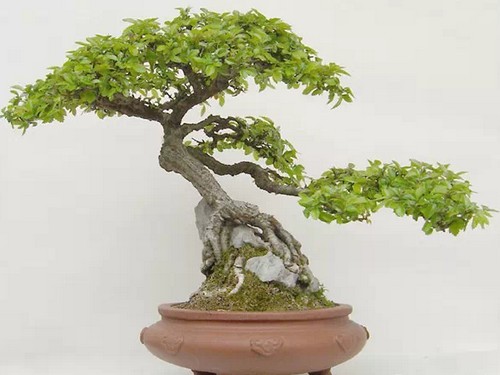
A detailed guide to shaping Chinese elm bonsai to create a beautiful tree form
When buying a Chinese elm bonsai, you must carefully examine the trunk. The fresher the raw trunk material, the better. Do not assume that a withered, decayed trunk has more charm. Some even have poorly developed root systems. Beginners should first keep the Chinese elm alive, then gradually shape it! The processing and shaping of Chinese elm can be carried out by combining pruning with wiring.
-
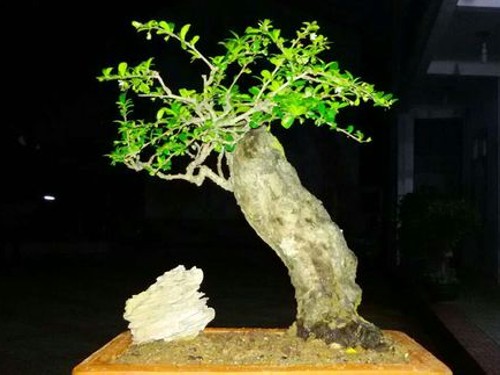
Detailed explanation of Fujian tea bonsai styling methods, easily shaping a graceful tree form
To make a Fujian tea bonsai, you can select robust one-year-old branches or semi-lignified branches of the current year for cutting propagation in spring or the plum rain season; you can also use root cuttings from early summer to early autumn to obtain seedlings; in the south, you can also dig up wild stumps or young trees in the woods, and after cultivating the stock until it survives, process it and pot it
-
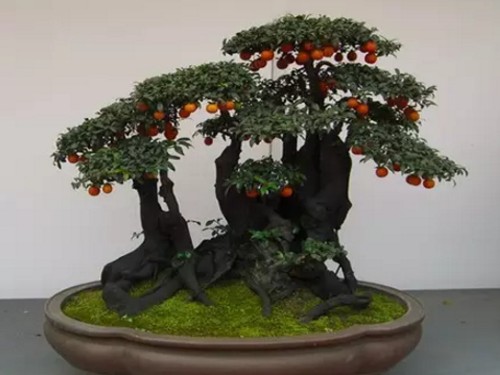
Detailed explanation of fruit tree bonsai shaping techniques, easily create beautiful bonsai
Fruit tree bonsai has the characteristics of both form and fruit, dazzling and radiant, with ornamental value in all four seasons: delicate flowers in spring, luxuriant branches and leaves in summer, abundant fruit in autumn, and upright and vigorous in winter, full of life's charm. Fruit tree bonsai should have a certain shape and artistic conception. According to fruit tree species and variety characteristics
-
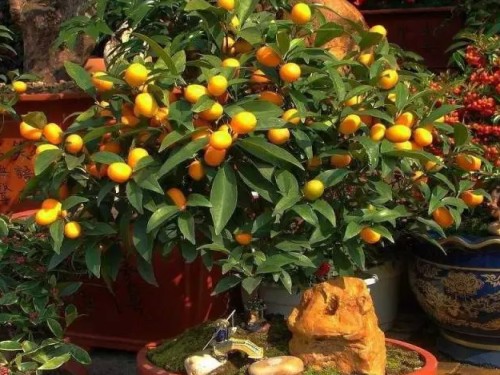
How to prune fruit tree bonsai? Detailed explanation of the correct method
An outstanding fruit tree bonsai combines the abundant harvest beauty of fruit tree cultivation with the artistic beauty of traditional Chinese bonsai, possessing a distinct style and character of its own. When a fruit tree bonsai has too many branches, it easily leads to dispersed tree nutrients, insufficient internal light, poor fruit quality and other problems. Therefore, before fruit trees bud in spring
-
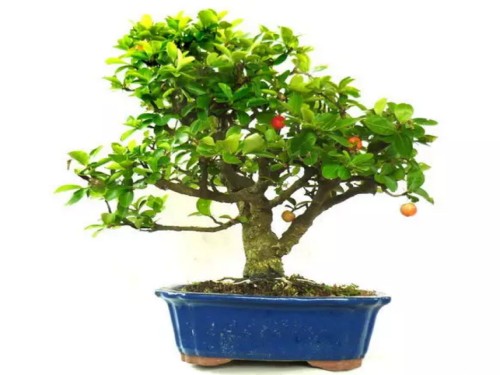
How to prune a cherry tree bonsai? A detailed explanation of the pruning techniques
Potted cherries bloom in spring and their fruit ripens in early summer; the flowers are beautiful and the fruit is colorful, giving them considerable ornamental value. The fruit ripening period is especially early and the flavor is relatively good, making them an early-summer seasonal fruit. When pruning, note that after selecting and retaining good main branches on young trees, the vigorously growing branches should be medium-shortened to promote branching, and during the juvenile stage more branches should be grown.
-
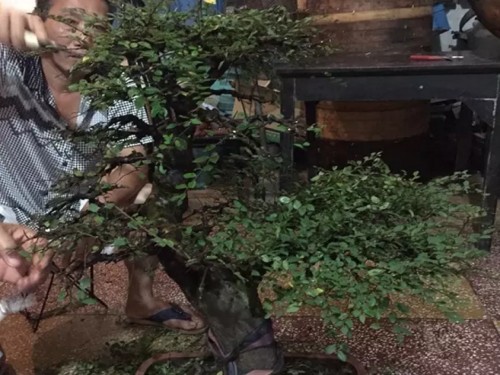
How to prune tree stump bonsai? Detailed explanation of pruning methods and techniques
Tree stump bonsai is a living work of art made by planting old woody plants in pots and, through years of artistic processing such as pruning, wiring, and fertilizing, plus meticulous management, giving the trunk rugged strength and the branches and leaves lush green foliage. It does not take its final form from the initial artificial shaping, but instead grows and changes continuously according to natural laws, therefore
-
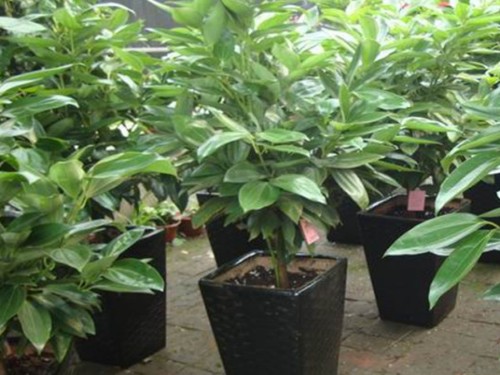
What are the propagation methods for potted Cinnamomum kotoense (Ping'an tree)?
The Ping'an tree is a bright green, auspicious Cinnamomum kotoense (Cinnamomum, Ping'an tree). "Ping'an tree" is an elegant name for Cinnamomum kotoense. It has value as a potted ornamental, is one of the common foliage plants in homes, and is excellent at regulating the air! People gave it an auspicious name, the "Ping'an tree."
条件筛选