-
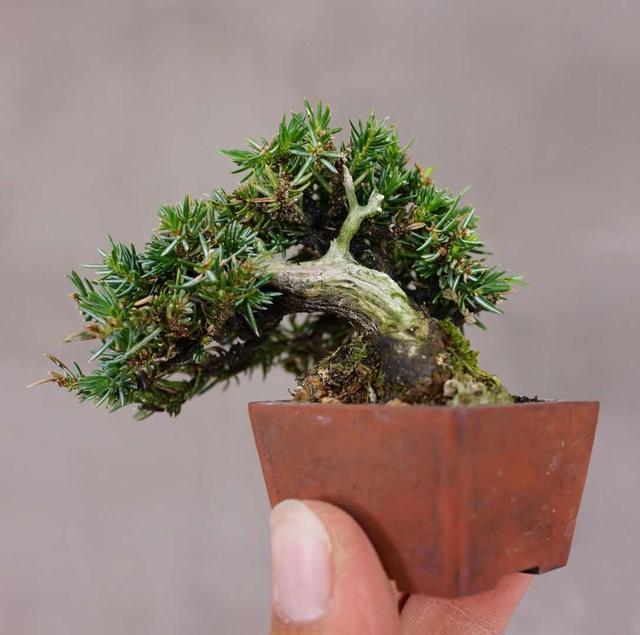
What are the basic procedures for the training and pruning of landscape trees?
Procedures for the training and pruning of landscape trees (1) Before climbing the tree, first observe the overall tree form. During pruning, try to keep the tree form unchanged. (2) Remove dead branches, diseased and pest-infested branches, etc. (3) Remove the small twigs on the large and medium branches; when retaining them, the distance between every two small twigs must not be less than lm.
-
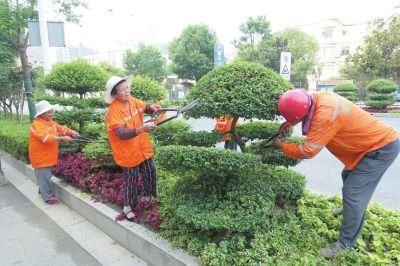
What are the effects of pruning and training landscape trees?
The effects of pruning and training landscape trees (1) Cultivating beautiful tree forms. At present, most trees in landscapes use natural tree forms. In order to maintain these tree forms, they need to be pruned appropriately. However, in practice, the ornamental purpose of landscape trees in beautifying the environment also needs to be taken into account. Therefore, through pruning and training, trees can create a combination of artificial and natural beauty on the basis of natural beauty.
-
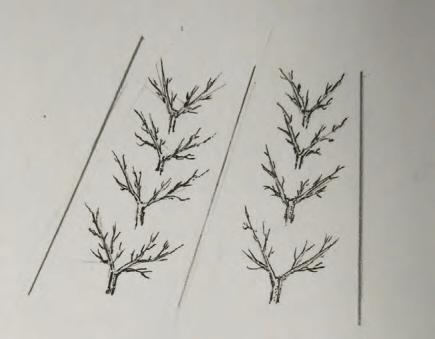
Training and pruning techniques for peach trees under wide-row, close-planting conditions
Training and pruning techniques for peach trees under wide-row, close-planting conditions. 1. Spacing between plants and rows in the peach orchard. Peach trees are medium-small in size, bear fruit early and are highly productive, but they age very easily. If the plant and row spacing is unsuitable and the training and pruning are unscientific, then in less than 10 years the orchard will...
-
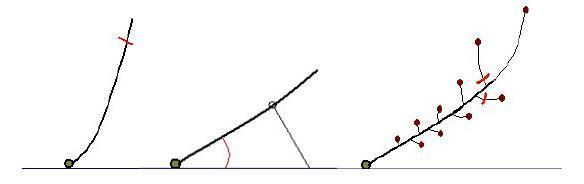
Detailed Explanation of Training and Renewal Techniques for Trellised Pear Branch Groups
Training and Renewal Techniques for Trellised Pear Branch Groups Cultivating stable fruiting branch groups is one of the core techniques of fruit tree training and pruning. All scaffold branches and perennial branch groups of trellised pears are fixed on the trellis surface, and a large number of new shoots emerge on the upper side of the branches. These new shoots...
-
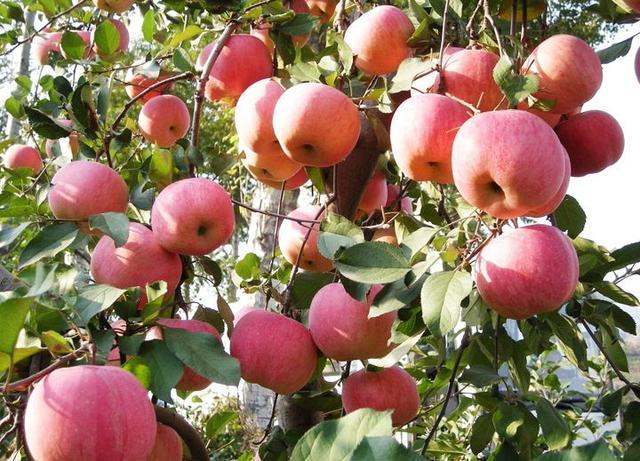
Detailed Explanation of the Hanging-Basket Style Training and Pruning Technique for Red Fuji Apple
Hanging-Basket Style Training and Pruning Technique for Red Fuji. In the Red Fuji hanging-basket style tree form, the scaffold branches directly bear fruiting branches, and after fruiting they all hang down, giving the canopy a mushroom shape. Few large branches, many small branches, a high proportion of effective branches, branch count reaching 130,000 per 666.7 sq m, short...
-
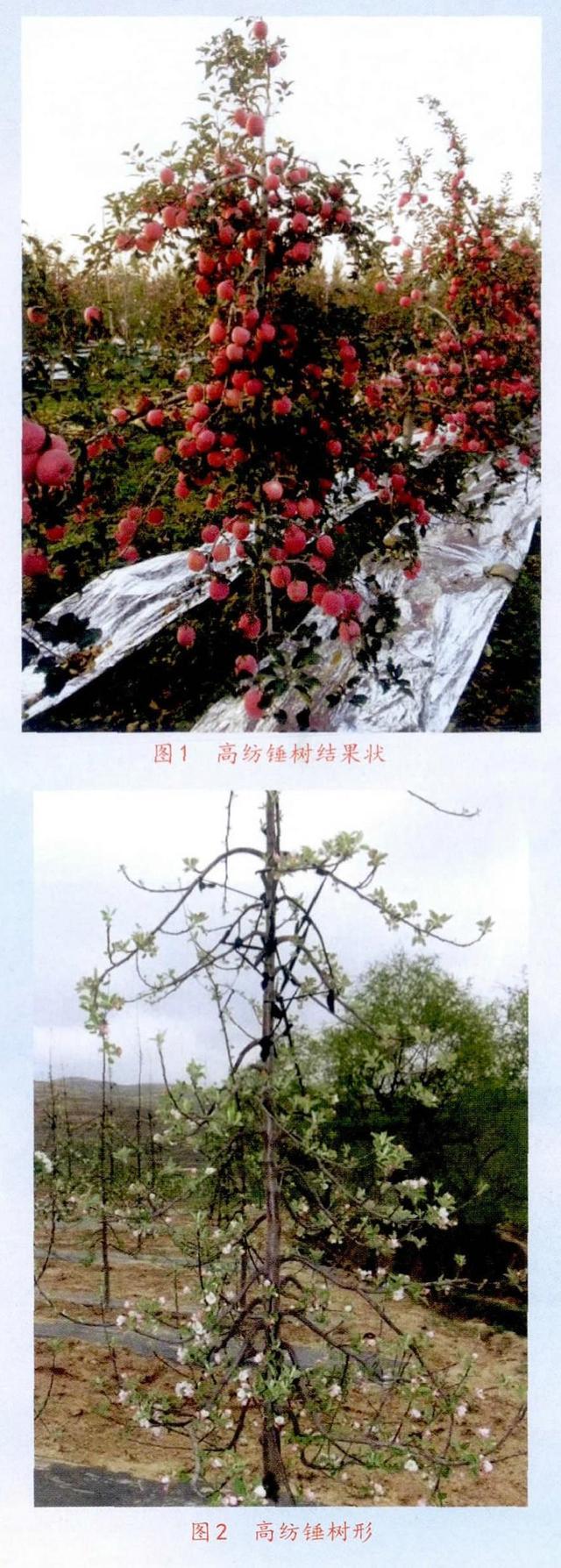
Problems in Training and Pruning Apple Trees to the Tall Spindle Shape and Their Solutions
Problems in Training and Pruning Apple Trees to the Tall Spindle Shape and Their Solutions Apple planting in Fengxiang County is mainly based on dwarfing interstocks and double-dwarf cultivation. Both of these apple cultivation types use the dwarfing high-density planting method, generally with a spacing of (1...
-
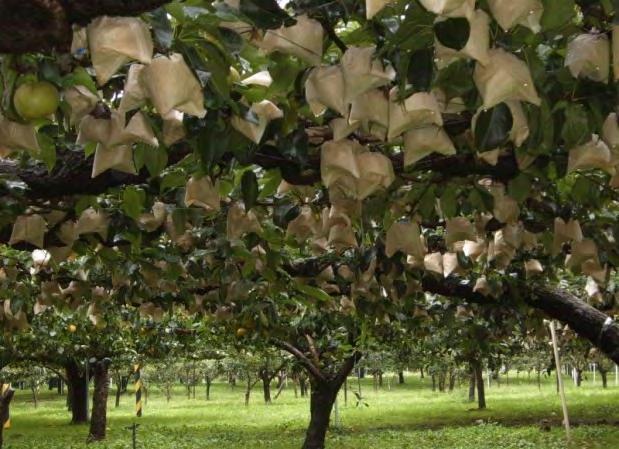
Trellis Pear Tree Structure Construction and Trellis Pear Tree Training Techniques
Trellis Pear Tree Structure Construction and Trellis Pear Tree Training Techniques The trellis pear originated in Japan, and is also used in Korea and China. This tree form is mainly used on pears of the sand pear system, such as Hosui, Niitaka, Huangjin, Shiji, etc. Sand pears generally flower easily...
-
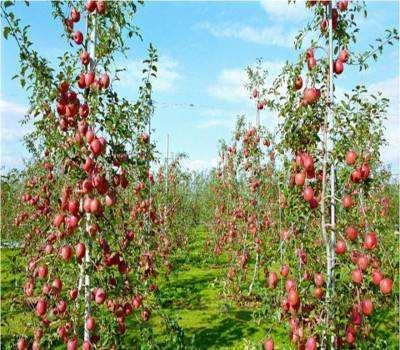
Apple Tree Double-Dwarf High Spindle Training and Cultivation Techniques
"Double-Dwarf" Apple Tree High Spindle Training and Cultivation Techniques. Special Project for the Construction of the National Modern Apple Industry Technology System (CARS-28). The dwarf rootstock intensive cultivation model is currently the main model adopted by advanced apple-producing countries worldwide, ...
-
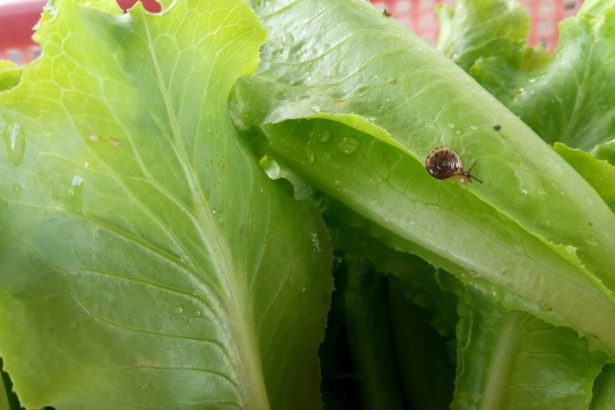
Enrollment for the 9th Hsinchu Natural Farming Producer Training is now open
Hsinchu Natural Farming Producer Training 9th intake enrollment
-
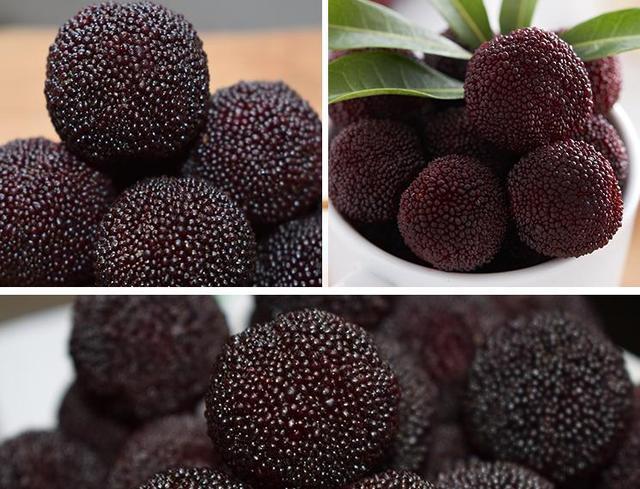
Detailed Explanation of Five Key Techniques for Chinese Bayberry Training and Pruning
Five Training and Pruning Techniques for Chinese Bayberry. Chinese bayberry is a perennial, multi-branched plant. Due to natural growth and extensive management, mature trees develop unscientific canopy structures, with imbalanced growth and fruiting and a low rate of high-quality fruit. This technique, through the use of thinning...
条件筛选