-
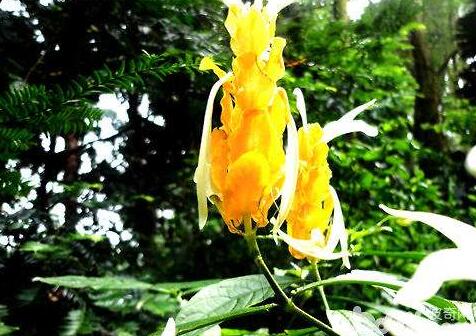
Pachystachys lutea Blooming Time and Solutions for Not Blooming
The flower language of Pachystachys lutea includes wishes for a harmonious union lasting a hundred years and rapid career success, so not only is its flower shape unique and its flower language very beautiful, but many people also choose to grow it because of its long blooming period.
-
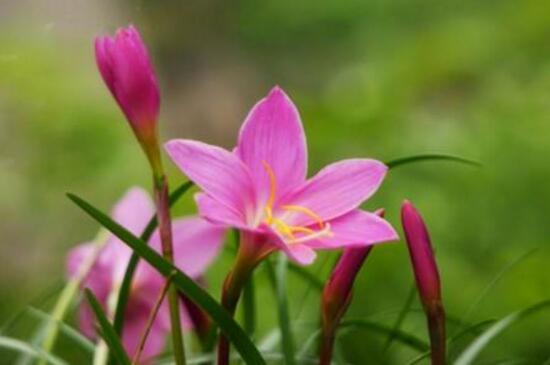
Repotting time and method for rain lilies: repotting once a year can yield more flowers
Rain lily, also known as Zephyranthes, is a very beautiful plant. It is not only good-looking but can also predict the coming of wind and rain. In daily life, gardeners who grow rain lilies all look forward to it blooming, and this requires everyone to master some care techniques, such as repotting. So, how do you repot a rain lily?
-

How to water the maidenhair fern? Including watering times and water quality choices
Although the maidenhair fern is small, it grows quickly, and during the growing season it has a high demand for water because it likes moist environments, so you must pay attention to reasonable watering in daily care
-
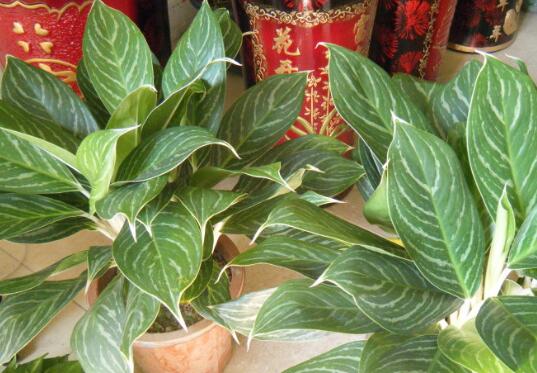
What to Do When Silver Queen Leaves Curl: Control Fertilizer and Water / Provide Shade / Timely Pest and Disease Control
Silver Queen (Aglaonema) is a highly ornamental foliage plant, and it can be seen in many regions of China. However, for a plant with such beautiful leaf color, curled leaves greatly affect its appearance. So what should you do when Silver Queen leaves curl? And how should it be resolved? Let me walk you through it below.
-
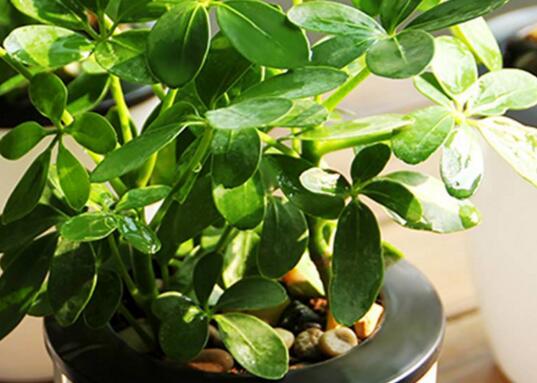
Umbrella tree watering key points: 1-2 times per week in spring and autumn, once a day in summer
Water is the source of life and one of the elements plants rely on to survive, and the umbrella tree (Schefflera) is certainly no exception. When growing it, too little fertilizer may only cause yellowing leaves, but a lack of watering will cause the plant to die. So how do you water an umbrella tree? Let's take a look at the umbrella tree watering method.
-
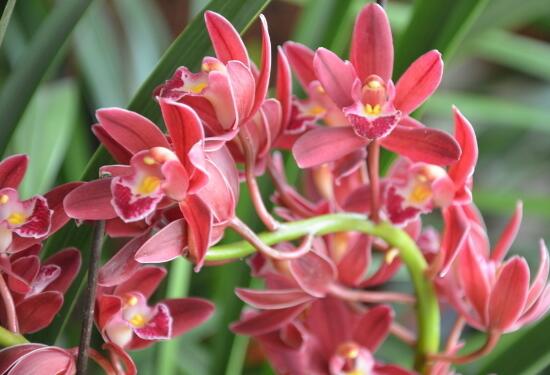
It is very difficult to get Cymbidium orchids to bloom a second time; a year-round care method teaches you how to rebloom them
Cymbidium orchids are world-famous new stars among orchids, and their huge flowers and vivid colors leave a deep impression; reblooming is probably familiar to flower lovers too, and it means getting a plant to bloom a second time, so how do you get a Cymbidium orchid to rebloom? In everyday life, very few people can successfully get it to rebloom
-
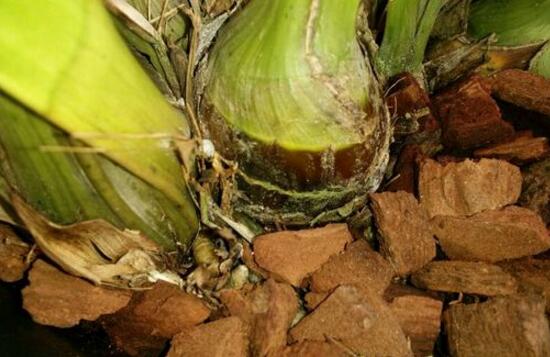
What to Do About Root Rot in Cymbidium Orchids? Master the Rescue Methods and Repot in Time
Cymbidium orchid, a hybrid variety of orchid, has large flowers and rich colors, and is deeply loved by flower enthusiasts. In daily life, many people grow cymbidium orchids, but during the cultivation process, they often encounter root rot. So what should be done about cymbidium orchid root rot? Next
-

Fertilizing Methods for Coleus: What Fertilizer to Apply at the Right Time
Although coleus has a relatively low demand for fertilizer, we cannot skip fertilizing entirely when growing it, otherwise it will develop fewer leaves, yellowing, or wilting due to nutrient deficiency. So how should coleus be fertilized? Let me give you the answer. How to Fertilize Coleus Properly: Fertilizer Selection
-
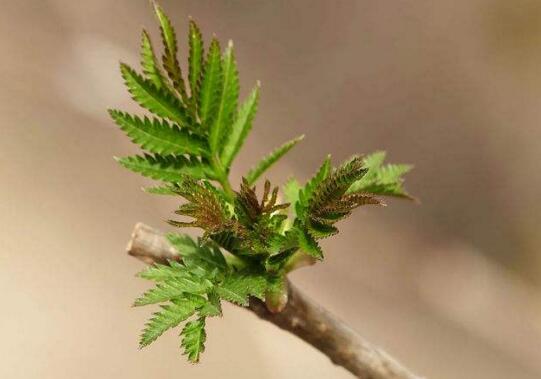
What to Do About Scorched Leaf Edges on the Flowering Almond: Apply Nitrogen Fertilizer / Increase Watering / Prune in Time
The flowering almond (Prunus triloba) is an ornamental plant of extremely high value, but some flower lovers encounter scorched leaf edges, which not only affects its appearance but also signals poor growth. So what should be done about scorched leaf edges on the flowering almond? Below, the editor will walk everyone through the causes and solutions.
-
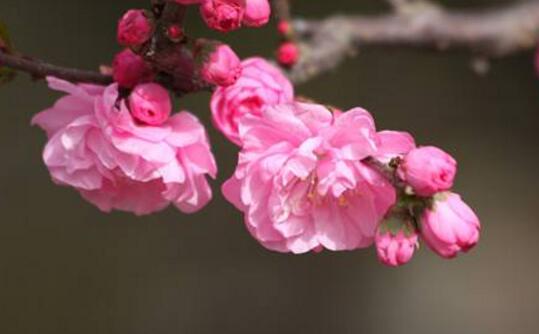
When transplanting flowering almond (Prunus triloba), keeping a soil ball and watering and pruning in time can improve the survival rate.
Flowering almond grows fairly quickly, and sometimes a flower pot or the environment limits it, so it has to be transplanted. During transplanting, be careful to avoid damaging the roots, and the care and management after transplanting are also very important. Good care can improve the transplant survival rate and will not have an adverse effect on growth.
条件筛选