-
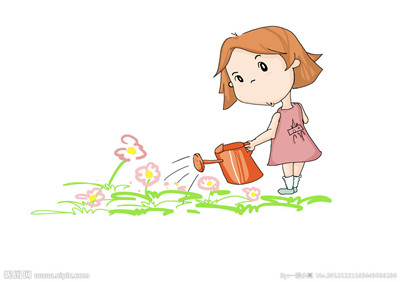
What is the best time to water flowers?
When choosing a time to water, it is best to keep the water temperature close to the soil temperature. Under normal circumstances, when the difference between water temperature and soil temperature is within 5°C, watering flowers is relatively safe and will not cause root damage. As for the specific daily watering time, spring, summer, autumn, and winter are all different. In spring, autumn, and winter,
-
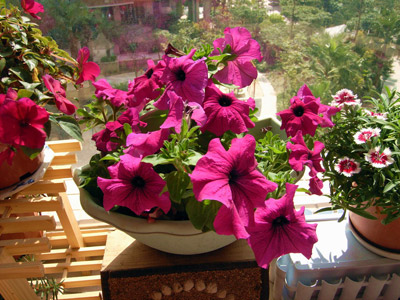
Methods and Tips for Moving Potted Flowers Indoors at the Right Time
In northern China, after the Cold Dew solar term, most flowers should be moved indoors for the winter one after another according to their cold resistance, to prevent cold and freezing damage. The specific time for moving them indoors depends on the flower species. For most flowers, do not rush to move them indoors as soon as the weather turns cold, because moving them in too early affects nutrient accumulation and is detrimental to growth and development the following year.
-

When to sow Korean boxwood in the north? Now is the right time
Recently, because the use of Korean boxwood in northern regions has increased, producers have begun using seed propagation instead of cutting propagation for this variety, but they are still generally unfamiliar with the technical details. Experts remind that Korean boxwood seeds have a relatively short lifespan after maturing, and sowing from now until September 20 is most suitable. Korean boxwood is an evergreen shrub of the genus Buxus in the family Buxaceae. It can be transplanted throughout the growing season, can withstand low temperatures of -35°C, has strong sprouting ability and tolerates pruning, and is suitable for use as hedges or trimmed into various patterns and shapes. According to Donggang City, Liaoning Province
-
How to remedy famous premium spring tea after frost damage in time
Hunan Province has 1.2 million mu of tea gardens, mainly planted with varieties such as Baihaozao, Zhuyeqi and Bixiangzao, and the plants usually freeze to death only when temperatures exceed -10°C. However, due to this large-scale rain and snow and low-temperature freezing, overwintering of tea gardens has been affected to varying degrees, and tea gardens in mountainous areas in particular have suffered relatively severe freezing disasters. Overall, the branches and leaves of the tea plants have frozen, and the plants have been affected, which will affect the picking period of famous premium tea in early spring and reduce the yield and quality of spring tea. Relevant tea farmers should take corresponding measures according to local frost damage conditions.
-
Control recommendations for the fourth generation of white-backed planthopper in rice issued, please carry out timely prevention and control
For the pesticide, use 40% chlorpyrifos (Xinnongbao, Saiben) 100 ml/mu plus 25% buprofezin (Puhsiling) 50 g/mu plus 5% jinggangmycin 200 ml/mu (or 30% Aimiao 15 ml/mu), mix with 30 kg of water for fine spraying.
-
It's time to control cotton aphids, and careful and repeated prevention is key
Due to the recent low rainfall and high temperatures, the cotton aphid population has surged, with numbers significantly higher than the same period last year. If the high temperatures and low rainfall continue, the cotton aphid population will increase further, leading to a major outbreak of summer aphids, and if control is not timely, cotton yields will be affected. Therefore, farmers should carry out timely control, ensuring careful and repeated prevention. 1. Chemical control. (1) Spray with 3% acetamiprid or 10% imidacloprid emulsifiable concentrate at 1000-1500 times dilution; (2) Spray with 2.5% Zhongbao Yawuzong emulsifiable concentrate at 1000-1500 times dilution; (3) Spray with 30% du
-
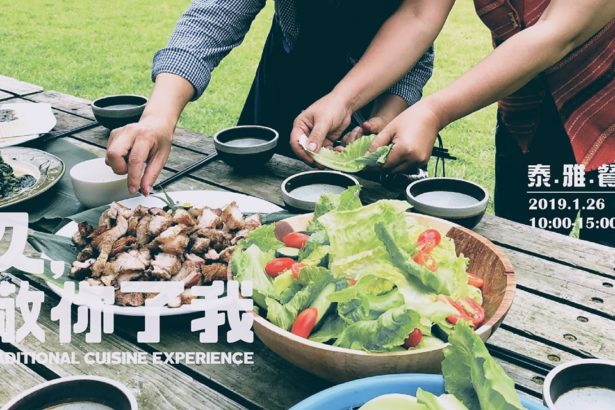
Long Time No Toast to You※Atayal Traditional Cuisine Experience
Long Time No Toast to You※Atayal Traditional Cuisine Experience
-
-

-
How to seize the golden time for mullet polyculture?
Aquaculture farmers in Chaoshan, Shenzhen, Dongguan and other areas of our province who let the four major Chinese carps and tilapia be polycultured with mullet in freshwater ponds mostly achieve relatively good economic returns. Polyculturing mullet in home fish ponds requires little investment and yields high profits, and is worth trying for farmers who raise the four major Chinese carps and tilapia. Mullet (scientific name Mugil cephalus), mainly produced along the southeastern coast of China, has wide adaptability: it can live in seawater and, through desalination, can also be farmed in a completely freshwater environment. Its fry, after being caught by hand and desalinated,
条件筛选