Pachystachys lutea Blooming Time and Solutions for Not Blooming
The flower language of Pachystachys lutea includes wishes for a harmonious union lasting a hundred years and rapid career success, so not only is its flower shape unique and its flower language very beautiful, but many people also choose to grow it because of its long blooming period. So when does Pachystachys lutea bloom? How long is the blooming period of Pachystachys lutea? What should you do if Pachystachys lutea does not bloom? Below, the editor will answer these one by one for you.
When Does Pachystachys lutea Bloom
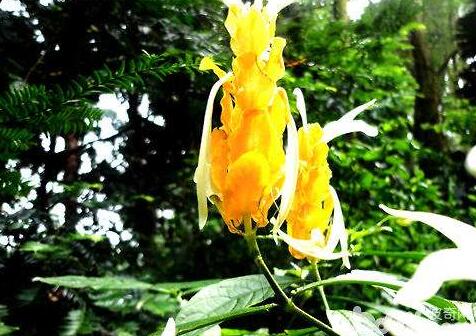
From observation diaries of Pachystachys lutea, it can be seen that its blooming time is generally in spring and autumn. In some areas of the south, it can bloom all year round, because the conditions it needs for blooming are very flexible. Generally speaking, as long as the temperature is kept between 15-25 degrees, and then sufficient fertilizer, water, and light are provided, it can bloom.
How Long Is the Blooming Period of Pachystachys lutea
When Pachystachys lutea is in an environment above 15 degrees, given sufficient light, and then reasonable watering and fertilizing, it will continuously sprout new shoots. The inflorescence will emerge from the tips of the new shoots, and after forming flower buds, it will bloom continuously. Therefore, the blooming period of Pachystachys lutea lasts extremely long; in some places it can last as long as 6-7 months.
What to Do If Pachystachys lutea Does Not Bloom
We just mentioned that Pachystachys lutea usually needs to meet three conditions to bloom, namely a temperature above 15 degrees, sufficient light, and an appropriate supply of fertilizer and water. If you encounter a situation where Pachystachys lutea does not bloom, we can look for the cause from these three aspects, and then take corresponding measures according to the cause.
1. Unsuitable Temperature
Pachystachys lutea is a plant that likes heat and fears cold. In particular, the temperature must not be lower than 10 degrees, otherwise it is easily frostbitten. However, blooming requires an even higher temperature. If flower growers encounter the phenomenon of no blooming, they first need to check whether the temperature is too low or too high, and then control the temperature within a suitable range.
2. Moderate Light
The differentiation of flower buds and the formation of flower buds both require sufficient light. If we keep it in a dark corner for a long time, Pachystachys lutea will not only find it difficult to bloom, but will also show excessive elongation of leaves. So usually do not place it in a dim room. In addition, in summer the light must not be too strong.
3. Appropriate Amount of Fertilizer and Water
The three elements nitrogen, phosphorus, and potassium are all essential for the growth of Pachystachys lutea, and the latter two are the main components contained in the flowers. Besides being absorbed from the soil, these elements can also be obtained from fertilizer. Therefore, attention should be paid to reasonable fertilization and watering. For methods, you can refer to the detailed introduction in how to fertilize Pachystachys lutea.
How to Make Pachystachys lutea Bloom All Year Round
Pachystachys lutea has golden-yellow bracts and small white flowers, so Pachystachys lutea is very beautiful when it blooms. If you care for it properly, Pachystachys lutea can bloom continuously all year round, but if you want Pachystachys lutea to have flowers all year round, you still need to pay attention to the following issues.
Pachystachys lutea
1. Pachystachys lutea relatively likes fertilizer, so during the growing season liquid fertilizer should be sprayed in a timely manner. The potting soil should often be kept moist, but water accumulation in the pot should be avoided. Add New High Lipid Film to preserve fertilizer effectiveness.
2. During the bud stage, spray Flower Strengthening Spirit for Stems onto the leaf surface, which can promote strong flower buds, plump petals, vivid flower color, rich floral fragrance, and an extended blooming period. If nutrients are insufficient, the plant will grow weakly, the inflorescence will be small, and there will be few flowers.
3. During the flower bud differentiation stage, pay attention to properly controlling water and fertilizer, and apply Flower Promoter No. 2 to promote flower bud differentiation. This will make Pachystachys lutea have luxuriant branches and leaves, large inflorescences, and many flowers.
4. When growing it at home, if you want it to continue blooming in winter, the daytime room temperature needs to be kept above 18 degrees, and at night it also needs to be maintained above 15 degrees. At the same time, by providing appropriate water and fertilizer conditions, the goal can be achieved.
5. Pests and diseases of Pachystachys lutea: it is susceptible to damage from whiteflies, red spider mites, and aphids, and should be controlled in a timely manner.
What Is the Flower Language of Pachystachys lutea and How to Make Pachystachys lutea Bloom in All Four Seasons
Pachystachys lutea is also called yellow shrimp flower and golden wrapping silver. Its bracts are layered one upon another and extend small white flowers. It is suitable for venues and home cultivation. So what is the flower language of Pachystachys lutea? How do you make Pachystachys lutea bloom in all four seasons? Let's learn about it together.
1. What Is the Flower Language of Pachystachys lutea
Flower language of Pachystachys lutea: harmonious union lasting a hundred years, rapid career success
Pachystachys lutea is also called yellow shrimp flower, coral shrimp plant, golden wrapping silver, and golden shrimp plant. It is an evergreen subshrub in the Acanthaceae family, with swollen stem nodes, opposite leaves, and long oval shapes with obvious veins. It gets its name because the yellow bracts of the terminal spike are layered one upon another and extend small white flowers, resembling a shrimp body. Because of its long blooming period and high ornamental value, since being introduced in the 1980s, it quickly became loved by many flower growers. Pachystachys lutea has neat clumps, bright yellow flowers, and a relatively long blooming period. It is suitable for decorating venues, halls, rooms, and balconies. In the south it is used to arrange flower beds.
2. How to Make Pachystachys lutea Bloom in All Four Seasons
Pachystachys lutea has a unique flower shape, vivid flower color, and a long blooming period, making it an excellent variety for indoor flower display. It likes sunlight and a warm, humid environment. Its growth and development temperature is 1 to 27°C, with 20°C being most suitable for growth. In spring and autumn, it should receive more sunlight. If light is insufficient, excessive elongation of stems and leaves will occur, which will not only affect the plant shape but also affect the quantity and quality of blooming. Summer is the peak growing season, when flowers bloom in full competition. Summer is hot and the sunlight is strong, which is unfavorable for the blooming of Pachystachys lutea, so shading and ventilation must be strengthened. If potted indoors, the windows must be opened to strengthen ventilation and maintain a cool, ventilated environment. Strengthen fertilizer and water management. Pachystachys lutea has long growth and blooming periods and requires more fertilizer and water. During the growing period, apply liquid fertilizer about once every 10 days. The liquid fertilizer is preferably decomposed dilute soybean cake water or a compound chemical fertilizer solution; before the blooming period, appropriately apply phosphorus fertilizer to make the flower color more vivid. Watering should be sufficient, and the soil should often be kept moist. In the hot summer, in addition to watering, it is also necessary to spray the plant and sprinkle water on the surrounding ground. Proper shading, ventilation, and fertilizer and water management in summer are the key to growing Pachystachys lutea well. If summer care is inadequate, growth will be poor, and leaf drop may even occur, which will affect blooming. In late autumn it needs to be moved indoors, must be allowed to receive sufficient sunlight, and needs pruning. If the room temperature is kept above 10°C and fertilizer and water management are appropriate, it can bloom in all four seasons. In winter, the room temperature only needs to be kept above 5°C, fertilization should be stopped, water should be controlled, and the potting soil should be kept somewhat dry, so it can safely overwinter.
The above isthe flower language of Pachystachys luteaand an introduction to the techniques for making Pachystachys lutea bloom in all four seasons. The meaning of rapid career success in Pachystachys lutea makes it very suitable for growing.