What to Do When Silver Queen Leaves Curl: Control Fertilizer and Water / Provide Shade / Timely Pest and Disease Control
Silver Queen (Aglaonema) is a highly ornamental foliage plant, and it can be seen in many regions of China. However, for a plant with such beautiful leaf color, curled leaves greatly affect its appearance. So what should you do when Silver Queen leaves curl? And how should it be resolved? Let me walk you through it below.
1. What to Do When Silver Queen Leaves Curl: Find the Cause
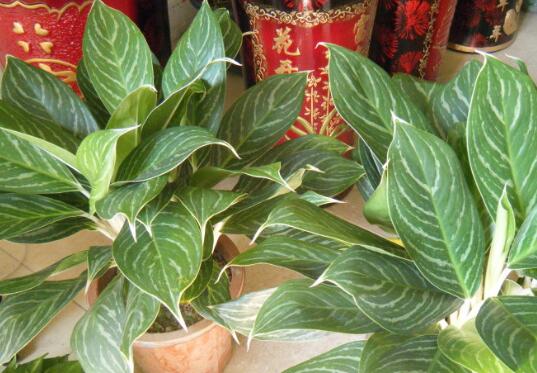
2. Solutions for Curled Silver Queen Leaves
1. Temperature control, 20-24°C
When growing Silver Queen, we must do a good job of temperature control. The environment temperature most suitable for Silver Queen's growth is between 20-24°C. If the indoor temperature exceeds 30°C, it will stop growing. In winter, when the temperature drops below 5°C, it will also affect its growth and the shape of its leaves, causing Silver Queen leaves to curl.
2. Reduce fertilizing, fertilize less in autumn and winter
Spring and summer are the peak growing seasons for Silver Queen. During these two seasons, its demand for fertilizer is very high, so we need to fertilize frequently so that it can grow vigorously. However, after entering autumn and winter, its growth gradually slows down, so at this time we should reduce the frequency of fertilizing. If we still fertilize as frequently as during the growing season, it will affect the plant's health and also change the shape and color of the leaves, causing Silver Queen leaves to curl and turn yellow.
3. Control water, avoid waterlogging
Silver Queen is a plant that relatively likes water, so during growth the soil needs to be kept moist, and the leaves also need frequent misting to prevent them from drying out and turning yellow. However, we should still properly control the amount of watering. Each time we water, keeping the soil with a certain degree of moisture is enough. Remember not to water too much. If waterlogging occurs, it can easily cause soft rot, and its leaves will also curl.
4. Light control, avoid strong light
Silver Queen prefers to grow in semi-shaded environments and is itself relatively shade-tolerant, so when growing it, never place it in a spot with direct sunlight. This will cause its leaves to shrivel from lack of water, resulting in the phenomenon of Silver Queen leaves curling. When growing it, we should place it in a semi-shaded spot indoors.
5. Pest and disease control, the earlier the treatment the easier
Pests and diseases are also one of the causes of Silver Queen leaves curling, and in severe cases they can cause the plant to wither and die. Therefore, when pests and diseases appear on the plant, they must be treated promptly, because the earlier the treatment, the easier it is; if delayed too long, it becomes very difficult to cure completely. The specific control methods are described in detail in the article on Silver Queen pest and disease control, which you can look up.
Indoor Foliage Plant Varieties, Illustrations, and Cultivation Key Points
Indoor Foliage Plant Varieties, Illustrations, and Cultivation Key Points
Indoor Foliage Plant Varieties, Illustrations, and Cultivation Key Points
Care Key Points for Common Indoor Plants
Money Tree (Pachira): Drought-resistant, cold-resistant, poor-soil-resistant, highly stress-tolerant; place in diffused light, water thoroughly when the potting soil is completely dry.
Sago Palm: Slow-growing, an evergreen shrub. Likes light but cannot tolerate scorching sun, likes warmth, overwinter above 7°C, sandy loam soil is best; pay attention to watering, place in direct sunlight.
Tiger Head Shadow: Likes sunlight, drought-tolerant, root system not well developed; in summer place outdoors in a ventilated, sunny spot; high temperature and shade easily cause leggy growth and deformation.
Money Tree (Pachira aquatica): Likes full sunlight and high temperatures, also shade-tolerant. Suitable temperature is 15-30°C; in summer water once every 3 days. During the growing season keep the potting soil moist, water only when dry. If there is too much water or waterlogging, growth will be poor or the roots and stems will rot; but the soil should not be too dry either, especially on clear days when the air is dry, appropriate misting is needed to ensure the leaves are dark green and glossy.
Money Tree (Zamioculcas): Likes a warm environment, needs semi-shade conditions; place in diffused light, water thoroughly when the potting soil is completely dry, watering should not be too frequent.
King (Fortunate) Coconut: Likes warm, humid and semi-shaded environments, suitable temperature 20-30°C; place in diffused light, water thoroughly when the potting soil is completely dry.
Purple-backed Maranta (Calathea): Likes semi-shaded environments, afraid of cold, suitable temperature 18-22°C; place in diffused light, keep the potting soil moist.
Anthurium: Likes sun, afraid of scorching sun. Likes high temperature and humid environments, not cold-tolerant, frost damage occurs below 13°C; during leaf growth spray frequently to maintain humidity. Avoid strong light exposure, place on a north windowsill in summer, and on a south windowsill in other seasons.
Bromeliad: Likes sun and heat, suitable growth temperature 20-25°C; note that water must not accumulate in the pot, and when watering most of the water should go into the central hollow tube.
Beautiful Phoenix Palm: Likes warm, humid and semi-shaded environments; place in diffused light.
African Jasmine: Does not like direct sunlight, likes semi-shade, requires good ventilation, likes moisture; in summer cultivate under shade, in winter strictly control water amount, slightly dry is better.
Brazilian Wood (Dracaena): Likes warm environments, suitable growth temperature 16-26°C, relatively drought-tolerant, needs semi-shade conditions; likes loose, fertile, well-drained sandy loam.
Ficus Bonsai: Likes loose, fertile sandy acidic soil, not drought-tolerant, relatively tolerant of water and moisture; can be displayed long-term indoors under diffused light conditions.
Lucky Bamboo Tower: Likes warm environments, suitable temperature 20-25°C, overwinter above 5°C; keep water in the container at all times.
Rubber Tree: Likes warm, humid climates, not cold-tolerant; in summer cannot be exposed to scorching sun, should be placed indoors or on a balcony in a ventilated, shaded spot, in winter should overwinter indoors. During peak season water more, in winter the potting soil can be slightly dry.
Green Gem (Philodendron): Likes warm and humid conditions, likes light but fears direct sunlight, shade-tolerant. Overwintering temperature should be above 15°C; potting soil should be fertile and well-drained.
Croton: Likes warm, humid and sunny conditions. Sensitive to drought; place in diffused light, control water amount.
Dragon Bone (Euphorbia): Likes sunlight, drought-tolerant; in summer place outdoors in a ventilated, sunny spot, avoid waterlogging.
Pothos: Likes high temperature, high humidity and semi-shaded environments, suitable temperature 18-22°C, overwintering temperature not lower than 15°C; keep the potting soil moist and mist the leaf surface; potting soil is best as a well-aerated pine needle mixed soil.
Peace Lily (Dripping Guanyin): Likes moisture, not drought-tolerant, likes shade; keep the potting soil moist, potting soil is best as a well-aerated pine needle mixed soil.
Areca Palm: Likes high temperature, humidity and semi-shaded environments; place in diffused light, keep the potting soil moist.
Jade Plant (Portulacaria): Likes warm, humid and semi-shaded environments; keep the potting soil moist and mist the leaf surface.
Bottle Palm: Not afraid of drought, and cold-tolerant (can tolerate low temperatures above 0°C); keep the potting soil slightly moist and loose.
Green Giant (Spathiphyllum): Likes warm, humid, semi-shaded and slightly acidic environments, suitable temperature 15-25°C, relative air humidity above 40%; in summer should be shaded, in winter appropriately exposed to sunlight.
Zebra Aglaonema: Likes warm, humid and semi-shaded environments, avoid direct sunlight, not cold-tolerant. Suitable growth temperature 25-30°C, overwintering temperature above 15°C; keep the potting soil moist, place in diffused light.
Poinsettia: Likes warm, humid environments and ample sunlight. Suitable growth temperature during the day 26-29°C; potted poinsettia needs ample sunlight, move it as little as possible.
Peace Lily (Spathiphyllum): Likes high temperature, high humidity and semi-shaded environments. Not cold-tolerant, winter overwintering temperature not lower than 15°C; potting soil must be loose and fertile, during leaf growth water and mist thoroughly, maintain relatively high air humidity, and provide appropriate shade.
Asparagus Fern: Likes moisture, not drought-tolerant, likes sunlight, tolerates semi-shade, avoid scorching sun exposure; during spring and summer growing season water more, to the extent that the potting soil is soaked through, in winter water less, avoid waterlogging.
Umbrella Plant (Cyperus): Likes moisture, not drought-tolerant; should water frequently to keep the potting soil moist.
Spider Plant: Likes moisture, should be watered daily; suitable for growing on a bright balcony without direct sun or indoors.
Golden Pothos: Likes semi-shaded environments, suitable temperature 18-22°C; in winter should be placed at a south window to receive light. Water to keep the potting soil moist.
Silver Queen (Aglaonema): Likes humid, semi-shaded environments; place in diffused light, note that watering should not be too frequent.
Practical Handbook for Caring for Common Indoor Flowers
Azalea early-flowering varieties bloom in October, mid-flowering varieties bloom in January, late-flowering varieties bloom in February. The flowering period lasts about 3 months.
Cultivation Principles:
Plant in a semi-shaded spot indoors, avoid strong direct light, avoid dry and high-temperature environments. In winter keep the minimum temperature above 8°C. Water to ensure the potting soil is moist, water thoroughly once a week, and also pay attention to increasing air humidity, frequently spray clean water around the plant; with air humidity above 70% it will grow well.
Whether you can grow azaleas well depends on the potting soil. Azaleas are acid-soil flowers, and the potting soil pH is best between 5.0-5.5; if the pH exceeds 6, growth is often poor. You can pile up fallen pine needles to compost, then add a small portion of garden soil and mix for potting, or buy acidic soil from the market for potting. Try not to use tap water for irrigation; use cooled boiled water or regularly add a small amount of diluted ferrous sulfate solution (about 0.1%). Long-term use of ferrous sulfate easily causes the soil to compact, and at that point you should loosen the soil.
The potting soil should also be loose and maintain good drainage; the drainage hole at the bottom of the pot should be covered with a tile piece with the convex side facing up. Repot once every spring.
Words of Experience:
Before blooming, remove the buds next to the flower buds, otherwise the flowers will not open easily. After the flowers drop, remove the calyx. After flowering, prune the plant, apply compound fertilizer mainly of nitrogen in spring and summer, and compound fertilizer mainly of phosphorus and potassium in autumn and winter, stop fertilizing once flower buds appear. You can also, when repotting in spring, put slow-release fertilizer into the soil, and then no more fertilizing is needed for a year, but the amount must be controlled by experience. If you don't mind the trouble, you can also make your own organic fertilizer. Ask for some sesame paste residue from a small sesame oil workshop at the free market, put it together with fish scales, fully ferment until white foam appears and there is no bad smell, then dilute with water at a ratio of one part per thousand, and water once every half month.
Clay pots and tile pots are best for flower pots; you can also use small floral or blue-and-white porcelain pots as decorative outer pots, avoid pots with large patterns.
Pests and diseases: Whiteflies will cause leaves to curl and crinkle; if the air is too dry, red spider mites will cause damage; improper cultivation methods will cause various mold diseases, and azalea root rot is the most major one, mainly manifested as poor plant growth, wilting and drying leaves, and brown spots and rotting and peeling at the roots.
Narcissus likes sunny, warm and humid environmental conditions. Generally choose short varieties for small potted plants, placed on windowsills or desks for appreciation, and it is an excellent flower for indoors in winter.
Cultivation Principles: Place in a spot indoors with relatively good light, during the growing season maintain an environment temperature of 15-20°C, and grow it in clean water.
Words of Experience: Water just needs to touch the root disc; at night pour the water out, and add water during the day. It must get sufficient light, otherwise the leaves will be thin and long and it will not bloom. Carving it open can shorten the flowering period, but be careful not to touch the flower buds.
Pests and diseases: Very few.
Poinsettia is also called Christmas Poinsettia. It likes sunny, warm environments. The flowering period is from November to March of the following year, and it can also be made to bloom earlier through short-day treatment.
Cultivation Principles:
Place in a spot with ample light; in summer it can be moved outdoors to a lightly shaded spot. It requires a high-temperature environment, with the growing season at 25-29°C during the day and 18°C at night. After the bracts color up, lower the temperature to 18-20°C during the day and about 15°C at night. Poinsettia is relatively tolerant of low temperatures and can occasionally endure temperatures below 5°C. If below 8°C, water less and expose to more sunlight. When entering the flowering period, water with warm water; during full bloom reduce the water supply, as overwatering will cause leaf drop. It requires moderate humidity, and in high-temperature rooms it should be sprayed frequently with warm water. Pot it in acidic peat soil with a small amount of sand, and repot once a year or every other year. During the peak growing season it needs a large amount of nutrients, fertilize once a week from April to September. A simple way to dwarf the plant is to prune after flowering each year, leaving the stem about 10cm tall; applying a growth retardant would be even better. You can also bend and shape it freely in summer. If you want it to bloom earlier, you can artificially shorten the daylight, giving it 9 hours of light per day, and after 45 days it will bloom.
Words of Experience: It is easy to keep alive but hard to grow well (with a long, round and full flower crown). When new leaves are growing, 30% shading is required. If the light is too strong, the leaves will be scorched and develop spots; if there is not enough light, the lower leaves will drop, the bract color will fade, and the plant will be thin and long and not sturdy. When watering, do not touch the leaves, otherwise wherever it is touched will rot.
Pests and diseases: A dry environment will bring damage from whiteflies, scale insects and red spider mites, causing leaves to twist and deform, or causing root rot.
Phalaenopsis: Phalaenopsis is called the "Queen of Orchids", with a flowering period of up to 2-3 months, blooming 2 times a year, with 10-20 flowers per flower stem, no pollen, and it does not cause respiratory allergies. The only shortcoming is that it has no fragrance. Each phalaenopsis plant can live up to 5-10 years.
Cultivation Principles: The light requirement is bright shade; in summer it is better to use a bamboo curtain or mesh curtain to block sunlight. Watering should alternate between dry and wet; to increase humidity, it is best to spray water once a day, but be careful not to spray on the flowers, and do not spray at noon. For fertilizing, you can use orchid-specific fertilizer available on the market, dilute with water according to the ratio and water with it.
Words of Experience: Phalaenopsis likes a cool and ventilated environment; if the environment is relatively stuffy and hot, it is prone to rot. When planting phalaenopsis, it is best to use a multi-hole pot.
Anthurium: Anthurium has a relatively long flowering period and can have spathes all year round, making it a very good indoor ornamental plant.
Cultivation Principles: Likes light but fears the strong sunlight at noon in summer. In summer place it indoors at a north window, and in other seasons place it at a south window. The most suitable growth temperature is 20-25°C, and in winter the room temperature should not be lower than 15°C.
Water alternating between dry and wet; tap the flower pot with your hand, and if the sound is relatively hollow, it is time to water. Water thoroughly, judging by water flowing out from the bottom of the pot. To increase humidity, spray water on the leaf surface.
For fertilizing, buy specialized flower nutrient solution, add 5ml to 200-300 times water, stir evenly, and water thoroughly just like watering, once a month is enough. It is best to grow it in a pot with holes. Repot once every 2-3 years, generally in spring.
Pests and diseases: There are damages from nematodes, aphids, scale insects and red spider mites, etc. If care is poor, it will cause root rot, and the leaf surface will also develop spots and discoloration.
Tuberous Begonia has a long flowering period, blooming from spring to after autumn, and its branches are relatively brittle. It can be used as a medium or small potted plant, and its hanging varieties can also be used as hanging plants together with other green-leaf plants.
Cultivation Principles: Adapted to cool environments, fears extreme summer heat. Likes dry soil and humid air; if the potting soil is too wet it will cause root rot, and if the air is dry the male flowers will drop. Afraid of waterlogging. Best placed at east or west windows. The suitable growth temperature is about 20°C and must not exceed 30°C. During dormancy, about 10°C. Air humidity about 70%.
During the growing season, water frequently, using lukewarm soft water with a pH value of 4.5-5. Never spray water directly onto the leaves and flowers, otherwise it will cause leaf mold disease. In the later part of the growing season, gradually reduce the amount of watering. After dormancy, cut off the withered stems. Throughout winter the tubers can be stored in peat, kept slightly moist.
It likes fertilizer, and should be fertilized at intervals during the flowering period, using a flowering nutrient solution, 5ml diluted in 1000ml water, stirred evenly, and applied like watering; be careful not to pour the fertilizer water onto the leaves, otherwise they will easily rot, and it may even cause the death of the plant.
Pests and diseases: There are nematodes, aphids and begonia mites. When humidity is high, bacterial diseases easily occur. Soaked spots appear at the leaf edges and on the back of the leaves, slowly turning brown and finally drying up. The stems turn lead-gray and appear to contain purulent secretions. These diseases spread very quickly; once they appear, the diseased plant should be burned immediately.
Clivia can be used as a medium or small potted plant, and is a very good indoor plant for both flowers and foliage.
Cultivation Principles: Does not like to be moved frequently; it is best to find a relatively fixed position. Fears strong light, should be placed at a south window, ventilated. Too strong light will cause the leaves to turn yellow. The suitable growth temperature is 20-25°C; in summer when the temperature is above 25°C it begins dormancy.
The secret to successfully growing Clivia is related to watering. Do not water too much, especially during dormancy, when only a small amount of water is needed to keep the potting soil slightly moist. When the flower stem grows to about 15cm, appropriately water a bit more, but too much water will cause yellow spots on the leaves or root rot. It is best to use warm water close to room temperature. In summer wipe the leaf surface frequently; in winter control watering and no fertilizing is needed.
Vigorous plants do not need repotting every year. Repotting is generally done after flowering. The potting soil is a mixed substrate of leaf mold plus fertile loam and river sand.
Pests and diseases: Sometimes it is harmed by scale insects and aphids. Potting soil that is too wet will cause root rot.
Brazilian Wood (Dracaena) is an evergreen tree. It likes environments with ample light, high temperature and high humidity, but has a very wide adaptability to light and is very shade-tolerant, suitable for indoor growth.
Cultivation Principles: Place about 3-4 meters from a window, or in a similar light spot, and be careful to prevent direct strong light at noon, especially from March to September. However, an overly shaded environment will cause the leaves to turn yellow and fade. As long as temperature and other conditions are suitable, it can remain in a growing state all year round, but it is best to let it go dormant in winter, with a dormancy temperature of 13°C. If the temperature is too low, yellow-brown spots will appear at the leaf tips and leaf edges. In winter it must not be below 5°C. When placing it, keep it away from air conditioners and heaters.
The amount of water should be balanced; potting soil that is too dry or too wet is harmful. Excess water at the bottom of the pot will cause root rot, so a highly drainage pad should be used at the bottom of the pot. In summer it is best to water with rainwater. Water before 10 a.m. or after noon, alternating between dry and wet.
It likes environments with relatively high humidity and also needs a constant temperature, otherwise it is prone to pests and diseases. It is best to buy it in spring and avoid buying it in autumn and winter. You can frequently use misting to increase air humidity.
During the growing season fertilize once every 2 weeks; for perennial old plants it is best to fertilize once a week. If you want it to go dormant in winter, stop fertilizing after September.
Repot every April; new plants should be repotted once a year. Old plants should be repotted every other year; generally, repot only after checking whether the old plant's root system has grown out of the drainage hole at the bottom of the pot. Use peat soil with a small amount of sesame paste residue for the potting soil; since it likes good drainage, add a small amount of coarse sand and mix.
Pests and diseases: If the environment is unsuitable, there will be damage from red spider mites, thrips and scale insects. In addition, excessive ventilation, drought, irregular watering and excessive fertilizing can all cause leaf tip scorch. Generally the plant is relatively clean and not easily attacked by pests. Sometimes the leaves have scorched edges, mostly a physiological disease caused by drought and too-low temperature.
Lucky Bamboo is an evergreen small tree. Suitable for medium potted plants, or grown indoors in water, placed in a vase, and after a period of time it will grow roots. It has no strict light requirements, so it can be placed long-term anywhere indoors. Cultivation is similar to Brazilian Wood, and it basically has no pests or diseases.
Monstera is also called Split-leaf Philodendron, Tuanlong Bamboo, or Electric Wire Orchid.
Cultivation Principles: Likes light, but should avoid direct light at noon in summer. The more light, the larger the leaves and the more splits. Monstera is very strong and also very shade-tolerant, and can be placed in a fairly dark spot for a period of time. The suitable growth temperature is 20-25°C, and 12°C is enough in winter. The minimum temperature is 5°C. Air humidity is 60-70%.
During the growing season, water frequently to maintain medium moisture in the potting soil. If the plant is at a relatively low temperature in winter, the amount of watering should also be reduced. You can frequently spray the leaf surface with lukewarm calcium-free soft water or rainwater, or wipe it with a sponge, but this should be stopped in winter.
After June, fertilize once every 2 weeks. When nutrients are insufficient, the leaves will grow very small. If aerial roots grow into the soil, they can absorb nutrients, so some aerial roots can be used to increase the absorption area.
Repot every year. The potting soil is general potting soil. The pot should be slightly larger, and drainage needs to be good. If cultivated as a totem pole style, the aerial roots should be wrapped around a moss-wrapped pole to facilitate nutrient absorption.
Pests and diseases: The plant is strong and rarely infected by pests or diseases.
Peacock Plant (Calathea) is a perennial evergreen herbaceous plant. Suitable for indoor medium and small potted plants, unique and exquisite. The suitable temperature is 20°C.
Cultivation Principles: Likes a semi-shaded, semi-sunny light environment, otherwise the leaves fade and the ornamental value is affected. When placing it, avoid direct sunlight and put it in a brighter spot. It is also very shade-tolerant. Overwintering requires a temperature of 13-16°C; in the other three seasons, normal room temperature is fine. The most suitable temperature is 18-25°C.
It has relatively high humidity requirements. In spring and summer, water promptly and keep the potting soil moist; avoid dryness and excessive water. In autumn and winter, appropriately reduce the amount of watering. Misting alone is not enough; if conditions permit, it is best to use a humidifier to increase humidity. For the sake of appearance, the leaves should be wiped frequently. Spraying with cooled boiled water gives the best effect.
Repot once every other year. The potting soil should be a slightly acidic substrate with good aeration and water permeability; peat soil with a small amount of coarse sand can be used as potting soil. During the growing season, apply fertilizer water once every 2 weeks. At other times, apply little or no fertilizer.
Pests and diseases: If ventilation is poor during the growing season, it is prone to scale insect damage, which in severe cases will hinder the growth of stems and leaves; it can be controlled by spraying diluted dimethoate solution. The leaves have very high ornamental value, so mechanical damage must be avoided.
Cinnamon
Cultivation Principles: Likes humid, ventilated environments; if ventilation is poor, the inner branches will turn yellow and the leaves will drop. Sometimes its leaf shape droops, which is caused by lack of water; if watered promptly, it can recover to an upright state within four to five hours. Water thoroughly each time, and at the same time frequently spray water on the leaves to increase humidity.
Cordyline is a small shrub, with leaves intermingled in red, pink and green, very attractive.
Cultivation Principles: Likes ample sunlight, but cannot tolerate direct sunlight either; if the light is insufficient, the variegation will gradually fade. When the soil is completely dry, water promptly and water thoroughly, until water comes out of the bottom of the pot. Also spray the leaf surface regularly, which can increase the surrounding humidity and benefit plant growth.
Green Giant (Spathiphyllum) rarely blooms, with a flowering period of about one month. The flowers are white and strip-shaped, with a tall spathe, carrying the meaning of "smooth sailing", and it is an excellent gift.
Cultivation Principles: Shade-tolerant, but if it gets no sunlight at all, the leaves will also fade. When the soil is completely dry, it needs watering. Usually insert a small stick into the soil; if there is not much soil on the stick, it means it is time to water. Water thoroughly each time until water flows out of the bottom of the pot. To maintain humidity, frequently spray water on the leaf surface.
Golden Pothos is a plant that uses aerial roots to climb on other objects to grow. It has strong shade tolerance and is an excellent material for beautifying the home; it can be used as a totem pole, wall hanging, or as a water-grown cutting or hanging plant.
Cultivation Principles: Golden Pothos likes light, but cannot endure strong sunlight. Outdoors it can be placed in bright shade; indoors place it at an east or west window, and in winter place it at a south window. If the light is poor, the light-yellow streaks will turn gray-yellow. The suitable growth temperature is 15-25°C; a room with heating is very suitable, and in winter the minimum should not be lower than 10°C. Air humidity 40-50%.
In summer keep the potting soil at medium moisture; in winter, as the temperature drops, reduce the amount of watering. The plant can endure temporary over-dryness and over-wetness. It is best to water the plant with calcium-free soft water. During the growing season, fertilize once every two weeks.
Young plants should be repotted every year; established plants should be repotted once every 2-3 years. The potting soil is a mixed substrate of coniferous soil, peat chunks and decomposed horse manure. But other soils can also be used, as long as the soil contains no calcium or only a trace of calcium. Note that the pot's drainage should be good.
Pests and diseases: The plant is strong, with very few pests and diseases.
Philodendron is a vine plant. There are two kinds, Ruby Philodendron and Green Gem Philodendron. It can be used as a medium or large potted plant, generally made into a totem pole. Because of its strong shade tolerance, it can be placed indoors for a relatively long time.
Cultivation Principles: Philodendron is relatively shade-tolerant, but under bright light it grows faster and stronger. Indoors it can be placed at a window. The suitable growth temperature is 20-30°C, and the minimum temperature must never be lower than 14°C. Air humidity should be about 70%.
During the growing season, water regularly and mist the leaves twice a day. In winter, water the plant with lukewarm water, preferably soft water or rainwater, because the minerals and harmful elements in tap water are bad for the roots. The plant should not be moved outside and rinsed with tap water; instead, spray it with lukewarm water.
During the growing season, apply a liquid nitrogen fertilizer once every two weeks.
Repot every spring, carefully shake off the old soil between the roots, and cut away dead roots. The potting mix is a blend of conifer needle soil, rotted horse manure and a small amount of granular peat. The pot must drain very well; stagnant water will turn the plant's leaves yellow, and too little water will also turn the leaves yellow.
Pests and diseases: Philodendron is generally not prone to pests and diseases, but improper care can expose it to scale insect infestation.
Snake plant, also known as tiger skin plant, tiger grass orchid, thousand-year orchid and brocade orchid. A perennial herbaceous plant. Its main ornamental feature is its beautiful leaves.
Cultivation principles: It likes warm temperatures and needs plenty of sunlight, and can be placed on an unobstructed south-facing windowsill. But it also tolerates shade, and will not die under shaded conditions; only after too long a time will the leaves become dull and faded.
The snake plant is an extremely easy plant to grow, but overwatering will harm it. Its suitable temperature is 18-27°C, and growth stops below 13°C. In winter the temperature must not stay below 8-10°C for long either, otherwise the base of the plant will rot.
Next, pay special attention to controlling the amount of water; apart from summer, when it can be kept slightly moist, at other times it must not be too wet. However, you can mist the leaves often to keep them clean. In winter, keep it at a certain low temperature and dry. When using a plastic pot or another decorative flowerpot with poor drainage, pay special attention to soil drainage, otherwise excess water will also gradually collect and harm the plant. The snake plant is not strict about water hardness, and ordinary water can generally be used.
When growth begins in summer, apply fertilizer 1-2 times a month; the amount of fertilizer need not be large. Generally repot once every two years. Spring is the best season for repotting.
Pests and diseases: Under conditions of excessive humidity or fluctuating temperatures that are too high, brown spots or corky spots are prone to appear on the leaves.
The sword fern likes warm, humid and shaded environments.
Cultivation principles: It does not need much light and dislikes direct sunlight even more, but if placed in a dark spot, the leaves will drop after a few weeks. In a greenhouse and a high-humidity environment it grows very fast; although it cannot grow very large, it can still survive for a fairly long time. Once the leaves turn yellow or drop, you can move it to a drier area, keep the temperature at about 5°C, remove the old leaves from the plant, and after 1-2 months, repot it and change the soil, then put it back in the greenhouse to grow; after a few months it will grow well.
It has strict requirements for water; it should not be too wet or too dry, and it is best to water it with rainwater.
The sword fern needs a lot of nutrients to grow well, but the fertilizer must not be too concentrated, so it is best to water it with diluted fertilizer water. In winter, when growth stops or it is in the dormant period, do not fertilize. Repot once every spring.
Pests and diseases: Sometimes large numbers of aphids, scale insects and so on appear and harm the plant.
The spleenwort is especially suitable as an indoor foliage plant; it can be grown as a large or medium potted plant, and can also be placed in a hanging basket as a hanging plant.
Cultivation principles: It needs only a small amount of sunlight, so it can be placed in the living room. Avoid scorching sun exposure. The suitable growing temperature is 15-25°C, 15°C in winter, and not below 10°C. If the temperature is too low, the leaf edges will turn brown. Air humidity should be above 60%.
During the growing season, water generously and regularly; in winter, simply keep the potting soil slightly moist. To raise air humidity, mist the plant often, preferably with demineralized soft water or rainwater.
During the growing season, apply a weak fertilizer once every 10-14 days. With proper fertilization, the plant will produce many new leaves; a lack of fertilizer or dry air can cause the leaf edges to turn brown. Generally repot once every 2-3 years, using a potting mix made of peat, leaf mold and a small amount of rotted horse manure. Note that the pot must drain well.
Pests and diseases: There are pests such as red spider mites and scale insects.
Asparagus fern is a perennial climbing herbaceous plant and a very good potted plant.
Cultivation principles: It likes cool shade and can be placed in a bright spot indoors. The suitable growing temperature is 18-25°C; in winter keep it at 12-15°C, not below 8°C. It is sensitive to dry air, so mist it often. In summer it should be watered generously; in winter simply keep the potting soil moist.
From May to September, plants with well-developed roots can be fertilized once a week. In winter, if the plant is in a warm living room, a weak fertilizer can be applied once a week.
Young plants are repotted once a year, and mature plants once every two years, while also removing some old roots. The potting mix can be a blend of leaf mold, crushed clay and a small amount of rotted horse manure. Place a piece of broken tile over the drainage hole of the pot to prevent roots from growing out of the pot.
Pests and diseases: There are aphids, scale insects and red spider mites. Healthy plants rarely become diseased; once infected, the affected branches should be cut off immediately at the base and burned.
Kalanchoe care: It likes light and fears dampness, and fears waterlogging.
Selaginella, also known as the resurrection plant, is a fern. It is drought-tolerant; even if it dries out so much that the leaves hang down, once watered it revives. It likes cool conditions and fears sun exposure, and air humidity must be high. It can be propagated by division, and will survive as long as it has roots; it is especially tough.
Cacti are plants that grow in tropical deserts. They usually need appropriate misting, but only under conditions of ample sunlight; do not mist on cloudy days. For some varieties, do not spray the grafted top, because water there easily causes rot.
The hole at the bottom of the flowerpot should be plugged with paper, so that water can still seep through (too much water will rot the roots) without letting all the water leak out.
Common knowledge for caring for green plants
1. Distinguish their light requirements
1. Sun-loving flowers: They like sunlight, such as magnolia, Chinese rose, pomegranate, plum blossom, pansy, and Scutellaria barbata, etc.;
2. Neutral flowers: They are not strict about light. Such as jasmine, osmanthus, and Boston ivy, etc.;
3. Shade-loving flowers: Such as asparagus fern, Swiss cheese plant, pothos, rubber tree, arrowroot, and dracaena, etc.
2. According to light requirement time, they are divided into
1. Long-day flowers: More than 12 hours of sunlight per day, such as iris, China aster, and garden balsam, etc.;
2. Medium-day flowers: Such as carnation and Chinese rose, etc.;
3. Short-day flowers: Sunlight per day must be less than 12 hours. Such as poinsettia and chrysanthemum, etc.
3. Temperature
1. Cold-hardy flowers: They can endure low temperatures of around minus 20 degrees. Such as winter jasmine, crabapple, elm-leaved spirea, hosta, lilac, daylily, and wisteria, etc.;
2. Semi-cold-hardy flowers: They can endure low temperatures of around minus 5 degrees, such as tulip, Chinese rose, chrysanthemum, pomegranate, and Chinese peony, etc.;
3. Non-cold-hardy flowers: Such as asparagus fern, cast-iron plant, bird of paradise, croton, poinsettia, Chinese hibiscus, calla lily, white orchid, and succulents, etc.
4. The important place of water in flower growing
1. Pay attention to water quality: According to the amount of magnesium salts and calcium, water is divided into hard water and soft water; soft water is better for watering flowers. Rainwater is ideal, followed by river water and pond water. Remember: do not use dishwashing water or water with laundry detergent; tap water should be left to stand for a day before use, so that the chlorine in the water fully evaporates.
2. Pay attention to water temperature: Do not go abruptly from cold to hot.
3. Water amount: In spring, more, and it is best to water at noon; in summer, ample, and it is best to water in the morning and evening; in autumn, water less; in winter, water once every few days according to how dry or wet the pot is.
4. When watering, pay attention: Master it according to the different seasons, varying weather and plant preferences. In short, before watering, first intuitively analyze the water shortage situation, then water.
5. When growing flowers, also pay attention that the soil does not become compacted and hard
1. Apply more organic fertilizer;
2. Mix in an appropriate amount of sand;
3. Drainage and loosening the soil.
6. Household flower growing often uses compost-making methods
Use grass, fallen leaves, straw, etc., add an appropriate amount of water, livestock manure, human feces and urine, and a small amount of lime, put them into a pit and pile them into a rectangle, cover with soil, and compost for a certain time; this can kill insects and weeds and also allow the organic components to decompose quickly.
7. Topdressing
1. Foliar topdressing;
2. Urea topdressing, and urea water can also be sprayed on the leaves;
3. Potassium dihydrogen phosphate is beneficial for flower bud differentiation and can also make flowers larger and more brightly colored;
4. For iron-deficiency yellow leaves, spraying ferrous sulfate is best. Such as camellia, gardenia, and banana shrub, etc.;
5. Boron water can prevent and reduce flower and bud drop, and is very beneficial for increasing flower number and flower quality;
6. When topdressing, be sure to pay attention to the amount; urea and potassium dihydrogen phosphate at 0.2%--0.3%, ferrous sulfate at 0.3%--0.5%, and boron at 0.05%--0.1%.
7. Topdressing time is generally around 8-10 a.m. or in the evening; do not overlook spraying the undersides of the leaves.
8. Pest control for household flower growing
To prevent and control pests and diseases, grasp the principle of "prevention first," strengthen management,
pay attention to ventilation, light penetration, watering, fertilizing and other care work, so that flowers and trees grow robustly and strengthen their own ability to resist pests and diseases. Once pest damage is found, measures should be taken early, achieving "treat early, treat small, treat thoroughly" to prevent spread. Common flower pests and diseases are illustrated below:
1. Pests
(1) Aphids
Aphids are small green-yellow insects that harm almost all flowers and trees. Between spring and summer, they often gather densely on the new shoots or flower buds of Chinese rose, pomegranate, oleander, chrysanthemum and so on. They use their mouthparts to suck sap, causing tender leaves to curl and shrivel; in severe cases they not only affect growth and flowering, but also cause the plant to wither. Aphids can produce 20-30 generations a year, and eggs can overwinter.
Control method: Spray with 40% dimethoate emulsifiable concentrate at 3000 times dilution (that is, add 1 gram of dimethoate emulsifiable concentrate to 3 kg of water); or spray with 25% phosmet emulsifiable concentrate at 1
000 times dilution. In addition, there are two simple control methods: first, use cigarette butts at a ratio of 5 grams mixed with 70-80 grams of water, soak for 24 hours, rub lightly, filter out the residue with gauze, and then spray; second, use 1:200 laundry detergent water (soapy water); to improve the effect, add a few drops of rapeseed oil, stir fully, and spray with a sprayer when no oil film is visible on the surface.
(2) Slug moths
Commonly known as stinging caterpillars or itch-causing larvae. These pests bite and eat the leaves of Chinese rose, white orchid, tree peony, pomegranate, plum blossom, lotus, and rose. When the damage is severe, within just a few days the leaves of an entire pot of flowers are eaten bare. Slug moths lurk specifically on the undersides of leaves, and are often overlooked if one does not pay attention. There are 2 generations a year, one in early June and one in late June; after mid-October they form cocoons and overwinter.
Control method: If there are few pests and the damage is light, the affected leaves can be picked off and burned. Spray with 90% crystallized trichlorfon at 1000-1
200 times dilution (that is, add 1 gram or slightly more of trichlorfon to 1 kg of water), or 50% fenitrothion emulsifiable concentrate at 500-800 times dilution.
(3) Spider mites
Also known as red spider mites. They often harm azaleas, Chinese rose, scarlet sage, crabapple, as well as Chinese juniper, kumquat, bitter orange, cactus, and dragon juniper, among which azaleas and Chinese juniper suffer the most severe damage. Spider mites are small and red, and are very difficult to
see with the naked eye. They like to suck sap on the undersides of leaves; affected leaves turn yellow and show many small white spots, and soon wither, yellow and drop. Spider mites have a very strong reproductive capacity, can produce more than 10 generations a year, and often breed in high-temperature, low-humidity environments.
Control method: Clear weeds in the pot and eliminate overwintering eggs. When they are causing damage, use 40% dimethoate emulsifiable concentrate at 1000-1500 times dilution (that is, add 1~
1.5 grams of dimethoate to 1 kg of water), or spray with 40% dicofol emulsifiable concentrate at 2000 times dilution,
(4) Longhorn beetles, also known as trunk-boring insects or heart-boring insects. They often harm grape, Chinese rose, azalea, as well as peach, apricot, and plum, etc.
Control method: Cut off the affected trunk and catch and destroy them. Or use a small knife to remove insect frass and wood shavings, then inject omethoate at 1:50 dilution into the bore hole, and seal the hole with mud slurry.
(5) Scarab beetles, also known as white grubs or white soil grubs. Their larvae are called white grubs, have very diverse feeding habits, and are major underground pests of many flowers.
Control method: Deep winter plowing can promote the death of the overwintering generation. During the active period, irrigate with 50% malathion emulsifiable concentrate at 800-**** times dilution; protect natural enemies.
2. Diseases
(1) Powdery mildew
Also called powdery mold disease; it harms Chinese rose, rose, large-leaf euonymus, kumquat and so on, and often harms the leaves, stems and flower stalks of flowers and trees. A layer of white powder appears on the surface of the affected areas, and in severe cases the leaves wither. This disease is prone to occur in muggy, humid, poorly ventilated environments.
Control method: Spray with agents such as thiophanate and carbendazim.
(2) Southern blight
It harms Chinese rose, jasmine, clivia, small pomegranate, aucuba, orchid, chrysanthemum and so on. When the disease occurs, the stem base turns brown and rots, and the mycelium is silky, initially white, later turning yellow to brown. This disease mostly occurs in the midsummer season when the soil is moist, rainy, and hot.
Control method: The potting soil should be disinfected, while also paying attention to environmental ventilation, avoiding overly dense cultivation, and pruning away diseased branches. Before the disease occurs, regularly spray 50% carbendazim wettable powder at 500 times dilution.
(3) Leaf spot disease
Also called black spot disease, brown spot disease, etc. It causes more damage to Chinese rose, camellia, azalea, rose, chrysanthemum and so on. First black spots appear in the middle of the leaves, then the leaves turn yellow and drop. The cause is mostly muggy, poorly ventilated and humid environments.
Control method: Pay attention to improving environmental conditions; at the early stage of the disease, remove the affected leaves and burn them. Spray 1% Bordeaux mixture for control, once every 7 days, for a total of 4-5 sprays during the whole growing period.
How to grow Chinese rose: cultivation methods and precautions for monthly red / monthly flower / four-season flower
Chinese rose (scientific name: Rosa chinensis Jacq.), known as the queen of flowers, also called "monthly red," is an evergreen or semi-evergreen low shrub that blooms in all four seasons, generally red, or pink, occasionally white and yellow; it can be used as an ornamental plant and also as a medicinal plant, and is also called Chinese rose. There are three natural varieties. Modern Chinese roses have diverse flower forms, including single-petaled and double-petaled, as well as elegant forms such as high-centered and rolled-edge; their colors are brilliant and rich, not only including single colors such as red, pink-yellow, and white, but also varieties with mixed colors and silver edges; most varieties are fragrant. There are many varieties of Chinese rose; there are already nearly ten thousand in the world, and China also has more than a thousand.
The natural flowering period is from August to April of the following year. The flowers are large, spreading from the inside outward, with a rich fragrance, and can be widely used in horticultural cultivation and cut flowers. The Chinese rose has strong adaptability and is cold-tolerant and cold-tolerant; whether planted in the ground or in pots, it is suitable for beautifying courtyards, decorating gardens, arranging flower beds, and planting as flower hedges and flower trellises. Chinese roses are easy to cultivate and can be used as cut flowers for bouquets and various flower baskets. Chinese rose flowers can be used to extract essence and can also be used as medicine. They also have relatively good antifungal and synergistic anti-drug-resistant fungal activity. Red cut flowers have even become one of the must-give gifts between lovers and a theme of love poetry.
China is one of the places of origin of the Chinese rose. The Chinese rose flower is splendid and beautiful, with diverse colors and forms, and blooms in all four seasons, and is deeply loved by people. In China, 52 cities have chosen it as their city flower. In May 1985, the Chinese rose was rated as the fifth of China's top ten famous flowers.
Growth habits of the Chinese rose
Although the Chinese rose is not strict about climate and soil, loose, fertile, organic-rich, slightly acidic, well-drained loam is more suitable. It likes warm, sunny, and airy environments.
For most varieties, the optimal temperature is 15-26°C during the day and 10-15°C at night. When the winter temperature is below 5°C, it enters dormancy. Some varieties can tolerate low temperatures of -15°C and high temperatures of 35°C. When the summer temperature remains above 30°C, it enters semi-dormancy, the plant grows poorly, and although it can still form buds, the flowers are small, have few petals, and are dull and lusterless in color, losing their ornamental value.
Key points for planting Chinese roses
Row spacing
For Chinese roses planted in the open ground, the root system is well developed, growth is rapid, the plant is robust, the flowers are slightly large, and the ornamental value is high. During management, cultivation measures should be chosen according to different types, growth habits and geographical conditions. The planting density for upright varieties is 75 cm x 75 cm, for spreading varieties the plant and row spacing is 100 cm x 100 cm, for vertically growing varieties the plant and row spacing is 40 cm x 50 cm, and for climbing varieties the plant and row spacing is 200 cm x 200 cm. The plant spacing for ground-planted Chinese roses is 50-100 cm, depending on the size of the seedlings and the need.
Soil
For open-ground cultivation, choose a site with higher terrain, ample sunlight, air circulation, and slightly acidic soil. When planting, deeply plow the land and apply organic fertilizer as a base fertilizer. Potted Chinese roses should use sandy soil rich in humus and slightly acidic and fertile, and alkaline soil should not be used. Before new buds sprout each spring, change the potting soil once to facilitate vigorous growth; changing the soil helps the Chinese rose bloom that year. Chinese roses can be planted in flowerpots of various materials, and clay pots are naturally also acceptable. When preparing nutrient soil, pay attention to drainage, ventilation and the combination of various nutrients. The ratio is garden soil: leaf mold: rice husk ash = 5:3:2. Before and after overwintering each year, it is suitable to repot, trim roots, and change soil, gradually increasing the pot diameter year by year, with clay pots being best.
Light
Chinese roses like light and need ample sunlight during the growing season, at least more than 6 hours of light per day; otherwise, they will only grow leaves and not bloom, and even if flower buds form, after blooming the flowers will not be brightly colored or fragrant.
Watering
Watering Chinese roses has its particularities: do it so that you water when dry and stop when wet, do not water when not dry, and water thoroughly when you do. Chinese roses fear waterlogging; there must be no standing water in the pot, as too much water easily rots the roots. In midsummer, water once a day; when the surface of the potting soil turns white, it is time to water. During the winter dormant period, be sure to water less and keep it semi-moist. Watering Chinese roses varies with the season; during the winter dormant period keep the soil moist, and just do not let it dry out completely. In early spring, before the branches sprout and as branches and leaves grow, appropriately increase the amount of water, watering once in the morning and once in the evening each day. During the peak growing season and flowering period, increase the amount of watering. In summer, when temperatures are high, water evaporation increases, and the plant is in a weak semi-dormant state; dryness and dehydration are most taboo, so water once in the morning and once in the evening each day, and avoid exposure to blazing sun. When watering at high temperatures, each watering should have a small amount of water seeping from the bottom of the pot, indicating it has been watered thoroughly. When watering, do not splash water on the leaves, to prevent disease.
Overwintering
In winter, if there are warm conditions at home, the room temperature is best kept above 18°C, and there should be more than 6 hours of light per day. If there are no warming measures, then let it go dormant naturally. At the Start of Winter, after the leaves drop, keep only 5 cm of each branch, and cut off all branches above 5 cm. Then place the flowerpot in a cool place at about 0°C to store it; the potting soil should be on the dry side, but must not be excessively dry, to prevent drying to death.
Fertilizing
Chinese roses like fertilizer. Potted Chinese roses should be fertilized frequently; during the growing season, water with dilute fertilizer water once every ten days. No matter which fertilizer is used, remember not to overdose, to prevent fertilizer burn and harm to the seedlings. However, do not fertilize during the winter dormant period. Chinese roses like fertilizer; the base fertilizer should mainly be slow-release organic fertilizer, such as rotted cow manure, chicken manure, soybean cake, and oil residue. Add liquid fertilizer water once every half month, which can keep the leaves thick, dark green and glossy. Before sprouting in early spring, apply a relatively concentrated liquid fertilizer once; during the flowering period, be careful not to fertilize; after the flowers fade in June, apply liquid fertilizer once more; in September, when the fourth or fifth axillary buds are about to sprout, apply a medium liquid fertilizer once more; in December during the dormant period, apply rotted organic fertilizer for overwintering. Winter plowing can apply human feces and urine or scatter rotted organic fertilizer, then turn it into the soil. During the growing period, fertilize frequently; after the flowers fade, apply quick-acting fertilizer as topdressing 1-2 times. In high temperature and drought, apply weak fertilizer; apply the last fertilizer before entering winter. Before fertilizing, also pay attention to promptly clearing weeds.
Pruning
After flowering, cut off the dry, withered flower buds. When the Chinese rose first shows flower buds, choose one well-shaped bud to keep and cut off all the rest. The purpose is to leave only one flower bud per branch, so that in the future the flowers bloom fully and beautifully, with large blooms and a rich fragrance. After each season's flowering period ends, comprehensive pruning must be carried out. Generally, light pruning is suitable: promptly cut off spent flowers and thin, weak, crossing, and overlapping branches; keep robust, young branches, leaving only 3-6 cm from the base, keep outward-facing buds, and prune into a natural open-center shape, making the plant shape beautiful and extending the flowering period. In addition, potted Chinese roses should be selected from dwarf, many-flowered and richly fragrant varieties.
Summer pruning mainly involves cutting off the sprouting branches and flowers of the grafted rootstock, and after flowering cutting off spent flowers with leaves and thinning out excess flower buds, reducing nutrient consumption and creating good conditions for the next flowering period. To make the plant shape beautiful, long branches can be cut back by 1/3 or half, medium branches by 1/3, cutting diagonally 1 cm above a leaf; if pruning is too light, the plant will grow taller and taller, the branches longer and thinner, and the flowers smaller and smaller. Winter pruning depends on the variety and cultivation purpose; when pruning, leave branches and pay attention to the overall shape of the plant. Large-flowered varieties should keep 4-6 branches, 30-45 cm long, select a strong side bud, and cut off the branch above it; for trailing or climbing varieties, focus on thinning out old branches, cutting off weak and diseased branches, and cultivating the main trunk.
Ventilation
Whether cultivated in a courtyard or on a balcony, be sure to pay attention to ventilation. With good ventilation, Chinese roses can grow robustly and pest and disease occurrence can also be reduced.
Temperature
Chinese roses like cool and warm climatic environments and fear high temperatures. The most suitable temperature is 18-28°C; when the temperature exceeds 32°C, flower bud differentiation will be inhibited. Therefore, in the hotter midsummer, Chinese roses usually do not bloom, and even if there are a few flowers, they are much inferior to those at normal temperatures. At high temperatures, the flowerpot can be moved to a shady place for care.
Propagation methods of the Chinese rose
Grafting
Grafting commonly uses wild rose as the rootstock, and is divided into two types: bud grafting and branch grafting. Bud grafting has a relatively high survival rate and is generally carried out from August to September. The grafting site should be as close to the ground as possible. The specific method is: on one side of the rootstock stem, use a budding knife to make a "T"-shaped cut in the bark, then select a bud from the middle of a well-developed current-year branch of the rose. After inserting the bud into the "T"-shaped cut, tie it with a plastic bag and provide appropriate shade; in this way it will heal in about two weeks.
Sowing method
That is, sowing and propagation in spring. It can be sown in holes or in furrows, and usually germinates and emerges in early to mid-April. Transplanting time is divided into two types: spring planting and autumn planting, generally carried out after leaf fall in late autumn or before sap flow in early spring.
Division method
Division propagation is mostly carried out in early spring or late autumn. The method is to dig up the entire rose plant with soil and divide it into sections, each with 1 to 2 branches and a few fibrous roots, and plant them in pots or in the open ground; they can bloom in the same year.
Cutting method
Generally in early spring or late autumn when the rose is dormant, cut mature branches with 3 to 4 buds for cuttings. If using softwood cuttings, provide appropriate shade and keep the seedbed moist. After cutting, roots generally form in 30 days, with a survival rate of 70% to 80%. If the cuttings are dipped in rooting powder when cutting, the survival rate is higher.
Layering method
Generally carried out in summer. The method is to bend a rose branch down from the parent plant and press it into the soil. At the middle part of the buried branch, peel off half a ring of bark from the lower side to expose the branch end. After this branch produces adventitious roots and grows new leaves, cut it off from the parent plant.
Common pest and disease control for Chinese rose
Nettle caterpillar
Mainly the larvae of the yellow nettle caterpillar, brown-edged green nettle caterpillar, beautiful brown nettle caterpillar, mulberry brown nettle caterpillar, and flat nettle caterpillar, which feed heavily on leaves in high-temperature seasons. Control method: once found, immediately spray and kill with 90% trichlorfon crystal at 800 times dilution, or use 2.5% fenvalerate EC at 1500 times dilution.
Scale insects
Mainly white scale, Japanese wax scale, red wax scale, brown soft scale, cottony cushion scale, chaff scale, snake-eye scale, etc. Their damage is characterized by piercing and sucking the sap of tender stems and young leaves of Chinese rose, causing poor plant growth. It is mainly induced by high temperature and high humidity, poor ventilation, and insufficient light. Control method: during the peak hatching period of the nymphs, spray and kill with 25% buprofezin wettable powder at 2000 times dilution.
Aphids
Mainly the rose aphid, green peach aphid, etc. They pierce and suck the sap of young and tender organs of the plant, damaging tender stems, young leaves, flower buds, etc., and seriously affecting plant growth and flowering. Control method: promptly spray and kill with 10% imidacloprid wettable powder at 2000 times dilution.
Rose three-section sawfly
Mostly in the larval stage, dozens or more than a hundred gather in groups to cause damage, and in a short time can eat all the tender leaves of the plant, leaving only a few main leaf veins, seriously harming the normal growth of the plant. Control method: for a small number of potted plants, when they first appear, pick the leaves where large numbers of larvae are gathered and crush them underfoot. If they appear in large numbers, spray and kill with 75% phoxim EC at 4000 times dilution.
Carmine spider mite
Mainly the copper-green chafer, black velvet chafer, white-spotted flower chafer, small green flower chafer, etc., which often use adults to gnaw new leaves, tender shoots, and flower buds, seriously affecting plant growth and flowering. Control method: take advantage of the adults' death-feigning behavior and shake them off in the evening to catch and kill them. Take advantage of the adults' phototaxis and use black light traps to lure and kill them. When adults are feeding and causing damage, spray and kill with 50% malathion EC at 1000 times dilution.
Stem borer
The Chinese rose stem borer is the larva of the rose stem sawfly. It bores holes in the stem, penetrates into the stem to feed, causing branches to break and the upper parts to die. The larva is white, with a pale yellow head, and about 15-17 mm long. The adult has wings, is black, with yellow on both sides of the abdomen. The pupa is vermilion red. Usually 1 generation occurs per year, causing damage in May-June, and overwinters as a pupa inside the stem. It is a relatively serious pest.