-
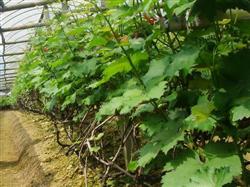
Grape Spring Management Technical Knowledge Guide
Spring is the season when grapes bud and unfold leaves, vines extend, and they send out clusters and bloom and bear fruit. Strengthening spring grape management can improve grape yield and quality. 1. From mid-to-late February to early March, the budding stage: irrigate to promote bud break and apply quick-acting nitrogen fertilizer. At this stage, orchards with the conditions should irrigate the whole orchard in a timely manner to ensure uniform budding...
-
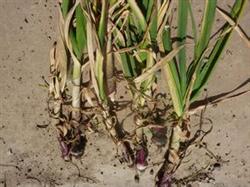
How to prevent and control spring rot in spring garlic? These key points you need to master
Spring rot of garlic can last until mid-June, and in years with low temperatures and high humidity, it even continues until the harvest period. It mainly affects the base of the leaf blade of the lower leaves. Water-soaked softened lesions appear, and after expanding upward and downward, they become light brown rot. In the middle and late growth stages, the central leaves are affected, and the soft rot spreads to below the flower stalk. Sometimes it can cause new...
-
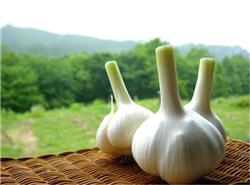
Key Technical Points for Spring Garlic Production Management
First, ensure adequate water supply. As garlic enters the critical water-demand period of bulb expansion, combined with rising temperatures and more frequent windy weather, garlic's demand for water increases. Garlic growers should pay full attention to water management in garlic fields and strive to give one general irrigation (watering) for bulb expansion, so as to meet the water demand for bulb expansion....
-
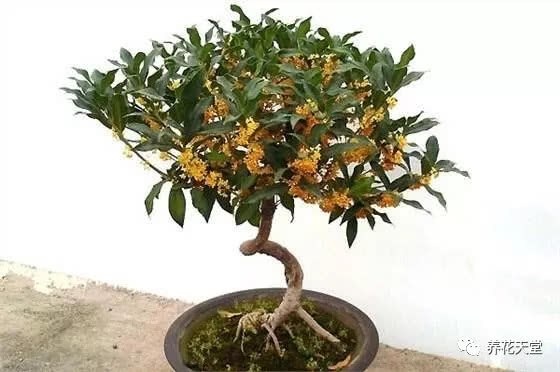
Autumn Is Neither Too Hot Nor Too Cold, Making It the Best Time to Propagate 4 Kinds of Flowers - Plant Them Now and They Will Bloom in Spring
As people's living standards improve, keeping a few potted flowers at home has become a fashionable part of urban life. Not only can retired seniors and homemakers grow potted green plants at home, but even office workers busy day and night...
-
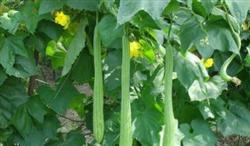
Dense-Planting Cultivation Techniques for Luffa (Sponge Gourd) in Winter-Warm Greenhouses during the Winter-Spring Season
Using winter-warm greenhouses for high-density off-season cultivation of luffa can greatly increase yields, with a per-mu yield of over 5000 kg and a per-mu income of 30,000-40,000 yuan. Variety selection: choose early-maturing varieties with strong cold tolerance, disease resistance and adaptability, such as Jiangshu No.1, Zaoza No.1, Cuilu Early Luffa, Yulu Early Luffa, and Wuye. Xiang...
-
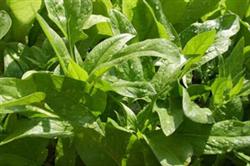
Detailed Explanation of the Key Points of Pollution-Free Cultivation Techniques for Spring Spinach
Spring spinach has a short growing period, and can generally be harvested and brought to market 30 to 50 days after sowing. Planting spring spinach plays an important role in quickly easing the spring shortage. 1. Select suitable varieties. After spring spinach is sown and emerges, the temperature is low and the daylight hours gradually lengthen, making it very easy to bolt after passing through phase development. Therefore, choose varieties that bolt late, have thick and large leaves...
-
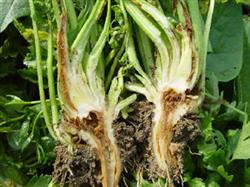
Spring marks the critical period for preventing and controlling celery heart rot
Celery heart rot is a common physiological disease in spring celery production. The tender tissue at the growing point of the celery turns black and dies. Subsequently, the root system and some stems and leaves of the celery also die one after another. The control methods are as follows: 1. Rational fertilization. Apply sufficient base fertilizer and increase the application of phosphorus, potassium and boron fertilizers to cultivate robust plants and improve disease resistance. Do not...
-
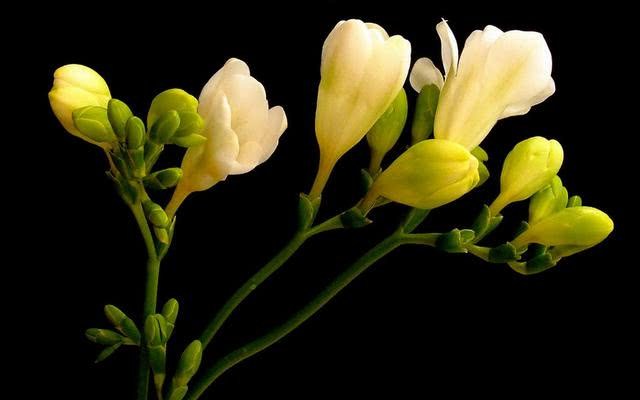
Freesia blooming techniques before Spring Festival: temperature control is key
Freesia is a flower grown mainly for ornamental purposes. It is precisely because it has rich colors and its blooms carry a strong fragrance that many gardening enthusiasts have fallen in love with it. Generally speaking, freesias are...
-
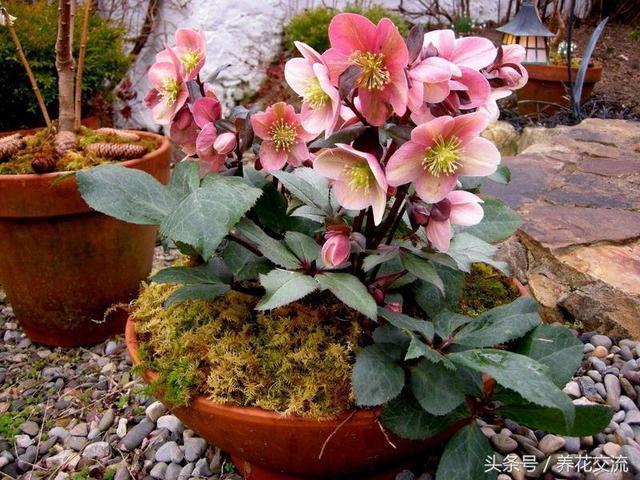
Hellebores are exceptionally cold-hardy; plant them in the yard and they bloom continuously through winter and spring
The plant introduced below is the hellebore, commonly called tiě kuàizi (iron chopsticks) in Chinese; it is a very cold-hardy plant well suited to growing in the north, can be planted outdoors in the yard, and does not need to be moved back indoors for the winter; during frosts in the winter and spring seasons...
-

Growing Flowers in Autumn: Remember the 3 Don'ts, and Flowers Will Bloom Right Through to Spring Festival
The Complete Guide to Home Gardening: Teacher Xiaoye Teaches You All Kinds of Gardening Knowledge! Autumn is here, and the temperature difference between day and night is starting to grow. Many flower lovers don't know what to do when the seasons change, or what not to do. Today let's talk about growing flowers in autumn...
条件筛选