Freesia blooming techniques before Spring Festival: temperature control is key
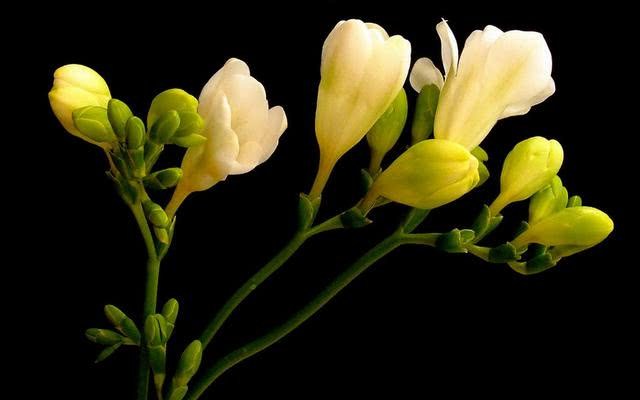
Freesia is a flower grown mainly for ornamental purposes. It is precisely because it has rich colors and its blooms carry a strong fragrance that many gardening enthusiasts have fallen in love with it.
Generally speaking, freesias only bloom in March, which means they bloom after Spring Festival. But if we want freesias to bloom during Spring Festival, we need to give them appropriate cold storage or control the temperature during their growing period. Let's talk about the specific steps below.
Cold storage method: in late August or early September, we should place the freesia flowering corms into a cardboard box or a small wooden box, add moist sawdust, then put it directly into the refrigerator for low-temperature treatment (generally keeping the temperature at around 6°C, refrigerating it for one month), then take it out and plant it directly in pots.
Temperature control during the growing period
When planting freesias, place them in a shaded spot outdoors for care. After the new sprouts turn green, gradually increase their sunlight. When the outdoor temperature drops to 15°C, they should be moved indoors for care. Starting from late November, when keeping them indoors, maintain the temperature above 20°C, and after one month, they will bloom. With this control method, the blooming time is around New Year's Day. If you want freesias to bloom during Spring Festival, then when moving them indoors, the temperature needs to be kept below 18°C. Cared for in this way, blooming can be delayed by about one month, which means the blooming time with this method falls during Spring Festival.
Simple care methods for freesias:
1. When they are in the bud stage
Before they send up buds, we need to first set up a support frame to prevent the aboveground parts from lodging. In addition, to prevent lodging, another step we can take is to gradually cover the potting soil as they grow, which can keep their stems upright.
2. Watering care
When watering them, we should note that because it is a bulbous plant, the most common problem is root rot, so watering must be done appropriately, especially right after planting, taking care to prevent the soil from drying out.
3. Fertilizer care
Freesia's root system is relatively weak and has somewhat higher requirements for soil. The soil chosen should be relatively fertile. Before planting, we can first apply a little organic fertilizer, which can improve the soil's fertility and aeration in advance!
Growing freesias is actually a very simple matter. If you want to see them bloom at New Year's Day or during the Spring Festival, you might as well try the method described here!