Hellebores are exceptionally cold-hardy; plant them in the yard and they bloom continuously through winter and spring
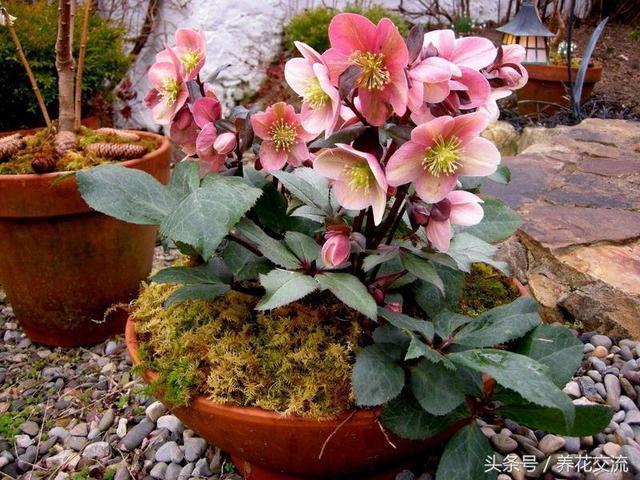
The plant introduced below is the hellebore, commonly called tiě kuàizi (iron chopsticks) in Chinese; it is a very cold-hardy plant well suited to growing in the north, can be planted outdoors in the yard, and does not need to be moved back indoors for the winter; during frosts in the winter and spring seasons, it can produce bright and enchanting flowers.
When other plants go dormant and wither in the cold winter, it can produce enchanting, delicate and gorgeous flowers in the ice and snow, usually blooming in January and continuing all the way into spring.
Hellebores come in a great many ornamental varieties; they belong to the genus Ranunculus (the buttercup family) and have a great many hybrid varieties, making them suitable as horticultural ornamental plants.
Growing hellebores is also very simple; they have extremely strong cold hardiness. The growing environment should be kept moist; they do not like excessive drought, and the growing soil should also have a certain water-holding capacity.
The issue that most needs attention when growing hellebores is the heat of summer; they do not like hot, dry environments. If the temperature is too high they become very fragile and also tend to drop their leaves, so in summer you must keep them in a shaded environment and avoid harsh sun exposure.
In summer, keep hellebores in a shaded spot, such as under tree shade or on a shaded balcony. You should still be careful to avoid direct contact with their sap, especially when transplanting. If you accidentally come into contact with the sap inside their stems, some people are prone to skin allergies and itching, so you must wear gardening gloves when transplanting.
Hellebores have a self-seeding habit; plant them in the yard and they can reproduce on their own. After the seeds drop, seedlings will grow by themselves, and they will gradually spread on their own into a large patch.
Hellebores bloom in the winter and spring seasons, and their seeds can be harvested in early summer. You can use a small mesh bag to secure the faded flowers; once the pods have formed seeds, you can pick them. Sowing is generally done in autumn.
Hellebores have little need for fertilizer, but they should be given fertile, loose, well-drained humus soil. You can use peat soil mixed with compost soil, adding some river sand or perlite as appropriate, or you can substitute leaf mold.
Another good thing about caring for hellebores is that they rarely suffer from pests or diseases and need little management. The main thing to watch out for is providing shade and cooling when the summer sun is scorching; if the temperature is too high the leaves easily dry out and dehydrate, and in severe cases the plant can wither.
Hellebores are very beautiful and enchanting perennial herbaceous plants. If you choose to propagate them by sowing, you need to grow them for two or three years before they will bloom; if you grow them directly from seedlings, they will produce brilliant and enchanting flowers in the winter and spring of the following year.