-
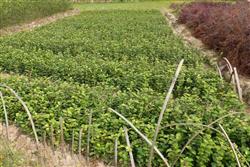
How to Take Camellia Cuttings in Spring: Detailed Methods and Steps
How do you take camellia cuttings in spring? Here is an introduction to the method. The best time for taking camellia cuttings is from early April to May. Choose current-year, semi-lignified, brown branches and cut them into 10 cm to 15 cm cuttings with 3 buds, cutting at the point just below a basal node. Keep 1 to 2 leaves on each cutting. After cutting, immediately place the base...
-
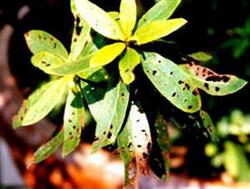
Disease Prevention and Control Methods for Azaleas in Spring and Summer
What diseases should azaleas be protected from in spring and summer? The diseases that azaleas are prone to in spring and summer include: (1) Black spot disease. If azaleas (including large-flowered azaleas and all types of Western azaleas) are placed in a stuffy, unventilated location and are kept in shade for a long time, then when humid weather occurs or when daily watering is excessive, this disease is easily triggered; it is...
-
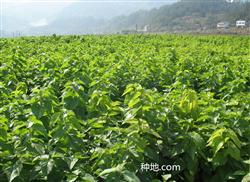
What are the key technical points for spring management of mulberry trees?
How should mulberry trees be planted to achieve high yields? Mulberry is a perennial woody plant. Mulberry leaves are the main nutritional organ of the mulberry tree and also the primary "food" for silkworms. Therefore, the amount of leaves produced by mulberry trees will directly affect the healthy growth of silkworms. High-yield cultivation techniques for mulberry leaves can be considered from the following aspects. 1...
-
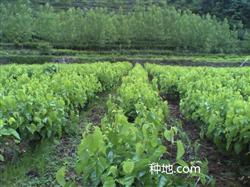
What are the spring management methods for a mulberry orchard?
How should a mulberry orchard be managed in spring? Please advise. The main points of spring mulberry orchard management are as follows: Strengthen fertilizer and water management. Spring fertilizer can be applied about 20 days before the mulberry trees bud. Apply first to mulberry trees used for feeding young silkworms, and later to those used for grown silkworms; apply first in clay soil mulberry orchards, and later in sandy soil ones. Generally, spring fertilizer application begins in early March...
-

How to Grow Spring Dream Palace Brocade? Detailed Guide to Cultivation Methods and Precautions
Cultivation Methods and Precautions for Spring Dream Palace Brocade
-

What to Do When the Spring Miracle Succulent Gets Leggy? Teach You the Correct Way to Handle It
What to Do When the Spring Miracle Succulent Gets Leggy
-
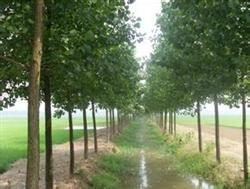
What types of common poplar diseases occur in spring?
Poplar canker mainly occurs during the process of seedling transplanting. The disease begins in late March, peaks from mid-April to late May, basically stops in early June, and slightly develops after October. This disease can infect the trunk, root collar and large branches, but mainly damages the middle and lower parts of the trunk. In the early stage of the disease, near the lenticels on the trunk...
-
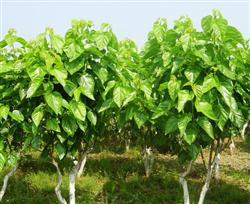
Key Technical Points for Spring Pest Control and Fertilization of Mulberry Trees
First, pest control must be strengthened. The pests harming mulberry trees in spring are the "mulberry looper" and the "mulberry tussock moth," which mainly feed on mulberry buds and tender leaves. For control, during the mulberry bud stage, a 1000-fold dilution of "dichlorvos" solution can be sprayed; once the mulberry leaves have grown larger, manual catching is the main method. Second, fertilize at the right time. Applying spring fertilizer promptly can promote...
-

Magnolia blooms carry deep poetic charm; spring is the perfect time to enjoy the flowers
Gratitude. Magnolia often produces large white blooms amid lush greenery, and its fragrant scent conveys an indescribable elegance, truly fresh and lovely. Because the plant is tall and its flowers bloom at a higher position, they sway in the wind with a spirited grace, like a heavenly maiden scattering flowers, very charming. New poems have grown old and are unbearable to hear; the desolate lodge in Jiangnan is separated by autumn clouds. Ever affectionate, unchanged in color year after year; a timeless fragrant heart ever increases for you.
-
Propagation Methods and Cultivation Techniques of Spring Beauty Chrysanthemum
Spring Beauty Chrysanthemum, also known as Yellow Crystal Chrysanthemum, is a biennial herbaceous flower of the genus Chrysanthemum in the Asteraceae family. It has strong cold resistance, blooms early, has a long flowering period, and produces abundant, brightly colored flowers with great ornamental value. Yellow Crystal Chrysanthemum is suitable for planting in open-field flower beds and flower borders, and works well as edging or in color-block compositions; it can also be potted to decorate courtyards and beautify interiors, making it a rare and excellent flower for early-spring ornamental and environmental landscaping. Propagation method: Spring Beauty Chrysanthemum is propagated by sowing, usually sown in autumn from September to October, and can also be spring-sown in cold northern regions. Open-field seedbeds and seedling trays commonly use loose, fertile,
条件筛选