-
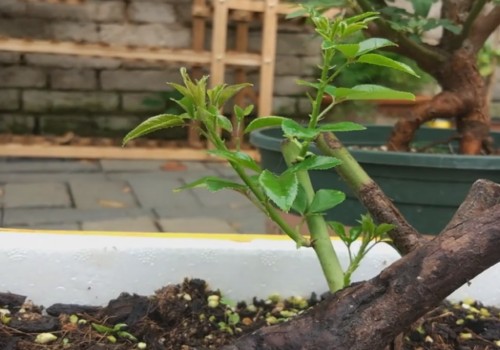
How to grow rose rootstock (Rosa multiflora) for grafting roses
Generally, the Rosa multiflora stumps we dig up from the wild are oddly shaped, and when we plant them in flower pots, many roots are usually exposed above the pot surface, because their root systems are simply too long and too developed. Even if we use deeper gallon pots, their roots can still reach the bottom of the pot
-
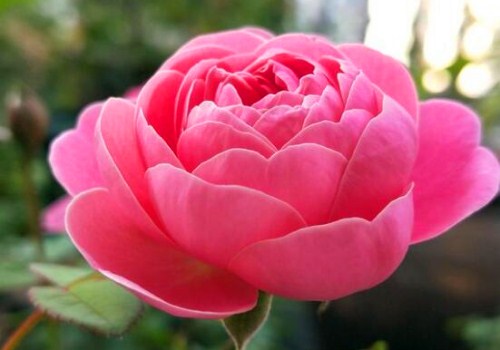
How to Grow Monthly Rose (Rosa chinensis) and How It Differs from Rose and Rambler Rose
Monthly rose, also called yueyuehong, yueyuehua, etc., is an evergreen or semi-evergreen low shrub in the Rosaceae family. It can bloom in all four seasons, with flower colors including red, pink, white, yellow, mixed colors, silver-edged, etc. Most varieties are fragrant. It is called the queen of flowers, ranks fifth among China's top ten famous flowers, and is the city flower of 52 cities in China. So
-
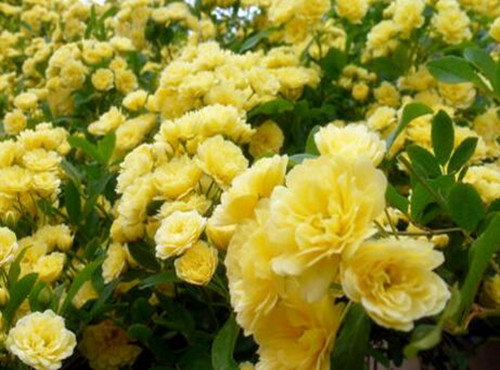
How many years until a Banks' rose (Rosa banksiae) seedling blooms? Detailed explanation of cultivation methods and medicinal effects and uses
Banks' rose (Rosa banksiae) originates from Sichuan and Yunnan, China. It grows beside streams, along roadsides or in hillside thickets, at an altitude of 500-1300 m. It is cultivated throughout the country. It has high horticultural value and is deeply loved by people. So how many years until a Banks' rose seedling can bloom? How to cultivate it? What effects and uses does it have
-
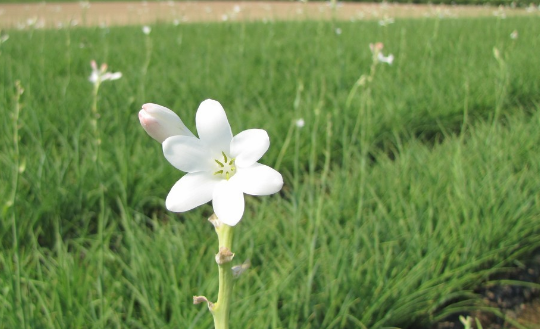
Tuberose (Polyanthes tuberosa) of the Amaryllidaceae suborder: cultivation methods, precautions, toxicity, and benefits
Tuberose is very easy to plant and to force into bloom, which makes it one of the most important cut flowers. So what are the cultivation methods and precautions for tuberose? Is it toxic? What benefits and effects does it have? According to the available information, tuberose dislikes waterlogging; if it is too dry, the leaf edges curl and the flower buds shrivel.
-
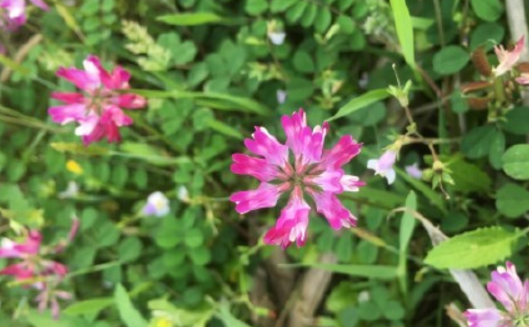
Rosaceae suborder: Milk vetch (Astragalus) toxicity, cultivation methods and precautions, and differences from alfalfa
Milk vetch is a herbaceous plant with pinnately compound leaves that produces flowers, so is milk vetch toxic? What are its cultivation methods and precautions? What is the difference from alfalfa? According to the information, milk vetch prefers a warm and humid growing environment, can tolerate cold, and requires sufficient water during cultivation
-

What are the benefits and effects of Cherokee rose (Rosa laevigata) fruit? A detailed guide to its edible methods
The benefits, effects and edible methods of Cherokee rose (Rosa laevigata) fruit
-
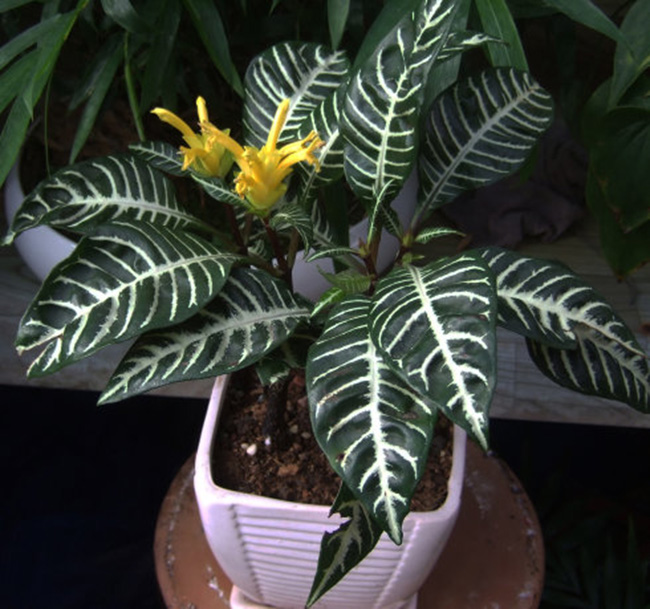
How to Grow Aphelandra squarrosa 'Dania'? Detailed Growing Methods and Precautions
Aphelandra squarrosa 'Dania' Encyclopedia Aphelandra squarrosa 'Dania' (scientific name: Aphelandra squarrosa Nees cv. Dania) is a perennial herbaceous plant. Leaves are opposite, oblong-elliptic; margins entire and slightly rolled inward; dark green, with pale yellow or yellow veins. The flowers form terminal spike inflorescences
-

Rosa roxburghii planting management and common pest and disease control methods
Rosa roxburghii planting management and common pest and disease control 1 Planting and management 1.1 Scientific planning and variety selection Rosa roxburghii is suitable for growing in warm and humid, sunny, fertile soil...
-
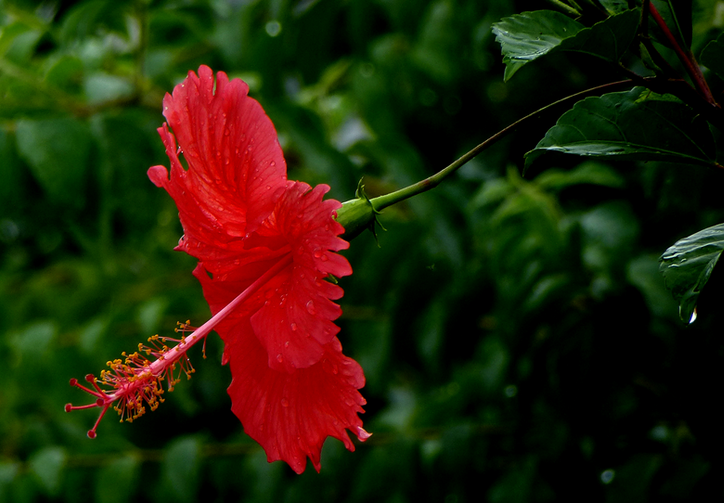
Analyzing the cultivation methods of Hibiscus rosa-sinensis: teaching you to grow Hibiscus rosa-sinensis with ease
Hibiscus rosa-sinensis is a famous flower in China, with large blooms and many colors. Although each flower opens in the morning and fades in the evening, they continue endlessly, the flowering period is long, and the blooms are most abundant in summer and autumn, making it deeply loved by people. Many people want to grow Hibiscus rosa-sinensis themselves but do not know how to care for it. Below, let us take a detailed look together with the editor of Yiqizhuangxiu.
-

What are the control methods for common pests and diseases of Rosa laevigata?
Control methods for common pests and diseases of Rosa laevigata
条件筛选