-
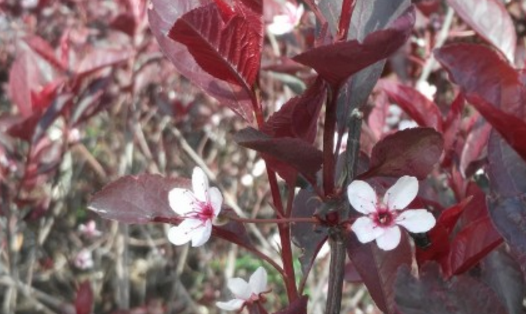
Flowering Period, Propagation Methods of Prunus x cistena (Purple-leaf Sand Cherry) in the Rosaceae Family, and How It Differs from Purple-leaf Plum
Prunus x cistena has good ornamental value, grows fast, propagates easily, tolerates pruning well, and has strong adaptability. So when does Prunus x cistena bloom? How do you propagate it? What is the difference between it and purple-leaf plum? According to available information, Prunus x cistena generally blooms in spring, with its flowering period in April and May.
-
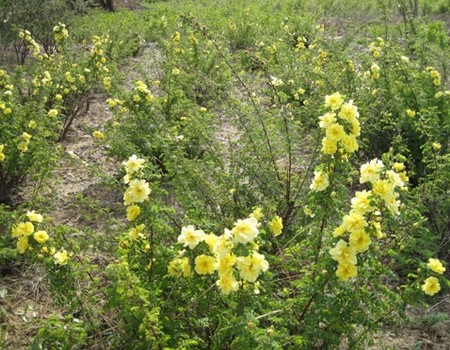
Detailed Explanation of Planting Methods and Technical Key Points for Rosa xanthina
How to plant Rosa xanthina? Is Rosa xanthina easy to grow in pots? Rosa xanthina has both single-petaled and multi-petaled varieties, all with excellent ornamental value. Many people grow Rosa xanthina in pots at home. Rosa xanthina has strong cold resistance and is an important flowering tree species suitable for cultivation in northern regions, blooming in late spring and early summer. It is suitable for use as flower hedges and flower borders
-
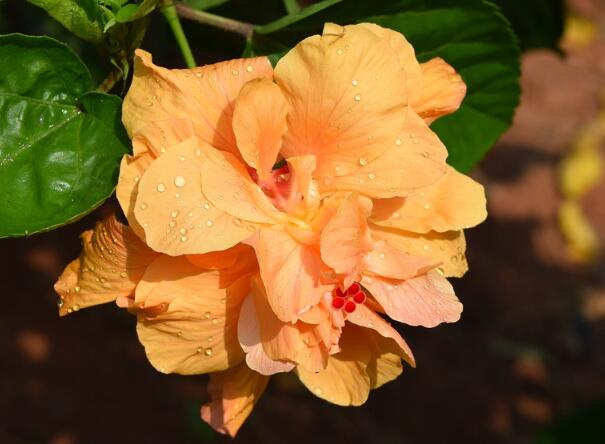
A Detailed Guide to Hibiscus rosa-sinensis Cultivation Methods and Precautions
Hibiscus rosa-sinensis is also known as Zhu Jin, Da Hong Hua, Zhu Jin Mudan, Yao Jing Hua, and so on. Its flower language is fresh romance and subtle beauty. Hibiscus rosa-sinensis is gorgeous and elegant, and many people like to grow it on balconies or in courtyards. So what are the cultivation methods for Hibiscus rosa-sinensis? What points need attention during cultivation?
-
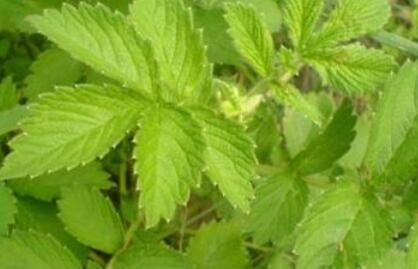
Can Agrimonia pilosa (Rosaceae) Lower Blood Sugar? Seed Prices and Cultivation
Xianhecao generally refers to Agrimonia pilosa, a perennial herb in the genus Agrimonia of the family Rosaceae, distributed in China, Europe, Russia, Mongolia, Korea, Japan and Vietnam. It often grows by streams, roadsides, grasslands, thickets, forest edges and open woodlands, at altitudes of 100-3800 m. So
-

Causes of Yellowing Leaves on Rose (Rosa chinensis) and How to Fix Them
The rose is called the queen of flowers, also known as "Yueyuehong" (monthly red), blooming in all four seasons, generally red, or pink, occasionally white and yellow. It can be used as an ornamental plant and also as a medicinal plant. Many people always encounter yellowing leaves when growing them, so what causes yellowing leaves on roses? What should be done?
-

When to sow Photinia × fraseri (red tip photinia) of the Rosaceae family? Detailed explanation of planting methods and medicinal effects
Red tip photinia is the collective name for hybrid species in the genus Photinia of the Rosaceae family. It is an evergreen small tree; new leaves are bright red in spring, turn green in summer, and remain red through autumn, winter and spring. So when should red tip photinia of the Rosaceae family be sown? How is it planted? What effects does it have? When to sow red tip photinia?
-
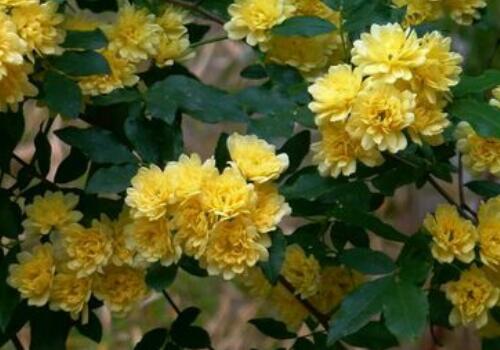
Is Banks' rose (Rosa banksiae) poisonous, and in which month does it bloom? A guide to growing, pruning, fertilizing, and seedling prices
Banks' rose, also known as mixiang, qingmuxiang, wuxiang, wumuxiang, nanmuxiang, and guangmuxiang, is a climbing small shrub that can reach a height of 6 m and has high horticultural value. So, is Banks' rose poisonous? In which month does it usually bloom? How do you grow it? How do you prune and fertilize it? How much does a seedling cost? According to the Suqian garden seedling base
-
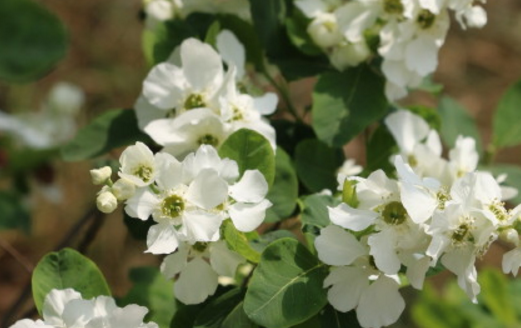
Rosaaceae Exochorda racemosa: Cultivation Methods, Precautions, Seed Sowing, Value and Uses
Exochorda racemosa (pearlbush) prefers a warm and humid climate; it likes light but also tolerates shade, and has strong cold resistance. So what are the cultivation methods and precautions for Exochorda racemosa? How do you sow the seeds? What value and uses does it have? According to available information, Exochorda racemosa is not demanding about soil and can grow in acidic soil, neutral soil and poor soil.
-
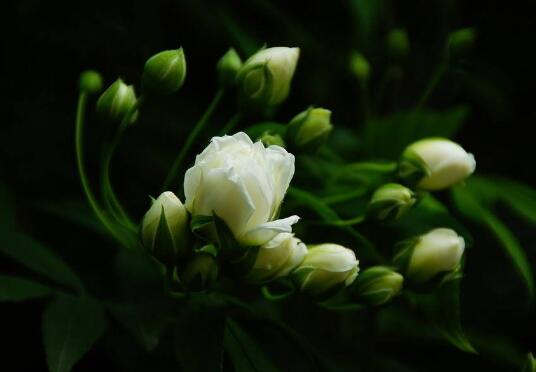
How to propagate Rosa banksiae? Seed sowing, cuttings, division, and layering all work
Rosa banksiae is a fairly common flowering plant in people's lives, and it is grown in many regions of China. However, as more people grow Rosa banksiae, questions about its propagation have also drawn more interest. How to propagate Rosa banksiae? What are the propagation methods for Rosa banksiae
-
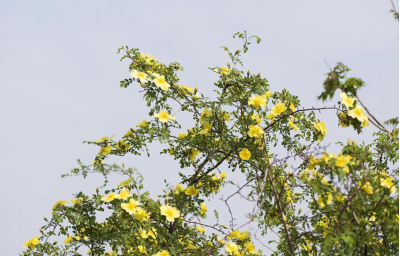
What are the cultivation methods and precautions for Rosa xanthina?
I. Fertilizing First, it is necessary to apply one to two spadefuls of decomposed compost as a base fertilizer in the hole where the Rosa xanthina seedling is placed. Note here that after planting, Rosa xanthina needs to have a fairly large number of branches pruned and to be watered thoroughly, then watered again after about 3 days; this can greatly increase the survival rate of the young Rosa xanthina seedlings.
条件筛选