-
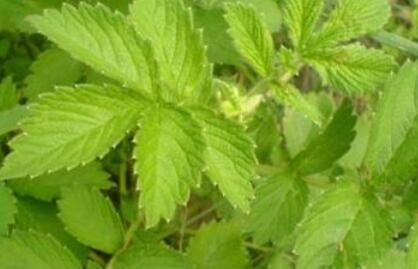
Can Agrimonia pilosa (Rosaceae) Lower Blood Sugar? Seed Prices and Cultivation
Xianhecao generally refers to Agrimonia pilosa, a perennial herb in the genus Agrimonia of the family Rosaceae, distributed in China, Europe, Russia, Mongolia, Korea, Japan and Vietnam. It often grows by streams, roadsides, grasslands, thickets, forest edges and open woodlands, at altitudes of 100-3800 m. So
-
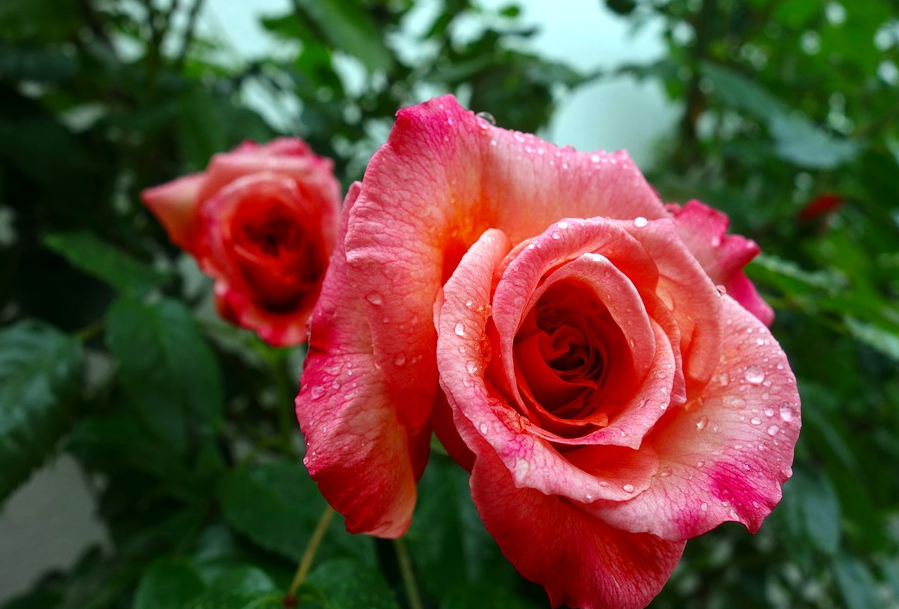
Causes of Yellowing Leaves on Rose (Rosa chinensis) and How to Fix Them
The rose is called the queen of flowers, also known as "Yueyuehong" (monthly red), blooming in all four seasons, generally red, or pink, occasionally white and yellow. It can be used as an ornamental plant and also as a medicinal plant. Many people always encounter yellowing leaves when growing them, so what causes yellowing leaves on roses? What should be done?
-

When to sow Photinia × fraseri (red tip photinia) of the Rosaceae family? Detailed explanation of planting methods and medicinal effects
Red tip photinia is the collective name for hybrid species in the genus Photinia of the Rosaceae family. It is an evergreen small tree; new leaves are bright red in spring, turn green in summer, and remain red through autumn, winter and spring. So when should red tip photinia of the Rosaceae family be sown? How is it planted? What effects does it have? When to sow red tip photinia?
-
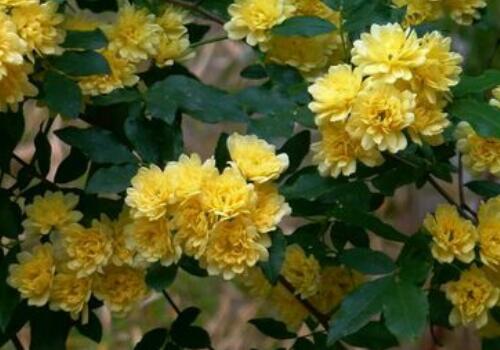
Is Banks' rose (Rosa banksiae) poisonous, and in which month does it bloom? A guide to growing, pruning, fertilizing, and seedling prices
Banks' rose, also known as mixiang, qingmuxiang, wuxiang, wumuxiang, nanmuxiang, and guangmuxiang, is a climbing small shrub that can reach a height of 6 m and has high horticultural value. So, is Banks' rose poisonous? In which month does it usually bloom? How do you grow it? How do you prune and fertilize it? How much does a seedling cost? According to the Suqian garden seedling base
-
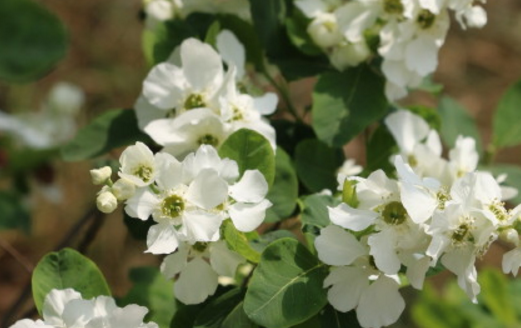
Rosaaceae Exochorda racemosa: Cultivation Methods, Precautions, Seed Sowing, Value and Uses
Exochorda racemosa (pearlbush) prefers a warm and humid climate; it likes light but also tolerates shade, and has strong cold resistance. So what are the cultivation methods and precautions for Exochorda racemosa? How do you sow the seeds? What value and uses does it have? According to available information, Exochorda racemosa is not demanding about soil and can grow in acidic soil, neutral soil and poor soil.
-

How to Grow Chinese Rose (Rosa chinensis): Key Points for Planting Chinese Roses
How to Grow Chinese Rose (Rosa chinensis): Key Points for Planting Chinese Roses
-

Diagnosis and Surgical Treatment Methods for Mammary Gland Carcinoma and Fibrosarcoma in Dogs
Mammary gland carcinoma and fibrosarcoma are two neoplastic diseases in dogs. Diagnosis is mainly based on histopathological changes, and treatment mainly relies on surgical excision. 1 Clinical symptoms In September 2001, a Chow Chow dog owned by Li in Dongli District of Harbin City was brought in for examination. The affected dog was an 11-year-old female that had never given birth. Half a month earlier, a hard nodule had appeared in the left rear mammary gland, with irregular edges; a small amount of white fluid sometimes flowed from the nipple. Later the nipple became swollen, the mammary gland was itchy, and the affected dog frequently licked and bit at it. Two days before the examination, many hard nodules of varying sizes appeared in a band-like pattern on the skin extending from the affected mammary gland toward the left anterior scapula.
-
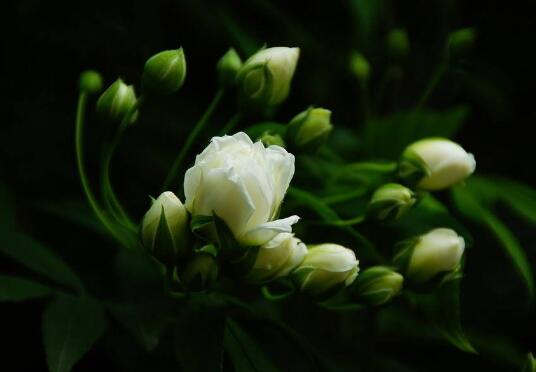
How to propagate Rosa banksiae? Seed sowing, cuttings, division, and layering all work
Rosa banksiae is a fairly common flowering plant in people's lives, and it is grown in many regions of China. However, as more people grow Rosa banksiae, questions about its propagation have also drawn more interest. How to propagate Rosa banksiae? What are the propagation methods for Rosa banksiae
-
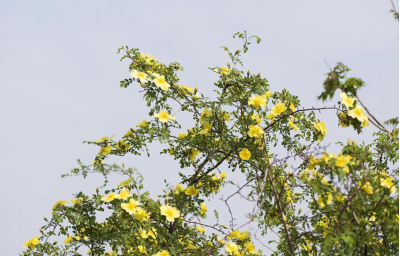
What are the cultivation methods and precautions for Rosa xanthina?
I. Fertilizing First, it is necessary to apply one to two spadefuls of decomposed compost as a base fertilizer in the hole where the Rosa xanthina seedling is placed. Note here that after planting, Rosa xanthina needs to have a fairly large number of branches pruned and to be watered thoroughly, then watered again after about 3 days; this can greatly increase the survival rate of the young Rosa xanthina seedlings.
-
A Detailed Guide to the Cultivation Methods and Precautions for Hibiscus rosa-sinensis
1. Site selection and soil preparation: Hibiscus rosa-sinensis is very well suited to being planted in warm, humid places, so when choosing a plot you must select fertile, well-drained sandy soil, and the soil should also be slightly alkaline, which is more conducive to the growth of Hibiscus rosa-sinensis. 2. Temperature control: Hibiscus rosa-sinensis is not tolerant of frost
条件筛选