-
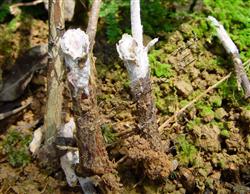
What are the common root diseases of tea plants?
What diseases affect tea roots? Please advise: tea roots are affected by the following diseases: 1. Tea seedling white silk blight 1.1 Distribution and symptoms: Tea seedling white silk blight is a common root disease in nurseries. It has a wide distribution range and causes serious damage. Besides tea, it can also harm more than 200 kinds of plants including cucurbits, Solanaceae crops, fiber crops, tobacco, and peanuts...
-
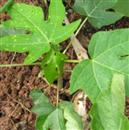
Papaya Cultivation Techniques: How to Prevent and Control Papaya Seedling Root Rot?
How to prevent and control papaya seedling root rot? Please explain. Papaya root rot is also called papaya root rot disease. Symptoms: This disease mainly affects the root collar and roots. Seedlings during the nursery period and those planted not long ago are more susceptible. It is especially likely when the groundwater level in the nursery and cultivation area is high or poor drainage causes waterlogging, and when the soil is highly clayey. Affected plants...
-
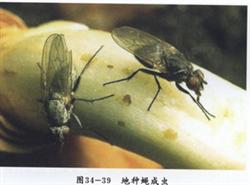
Garlic Cultivation Techniques: What Pests Attack Garlic Roots and Bulbs?
What pests attack garlic roots and bulbs? How to control them, please give an introduction. Garlic root and bulb pests include: Seed maggot. Control methods: First, for fields where a small number of seed maggots have been found causing damage, switch from applying various types of manure to applying refined organic compound fertilizer. For example, bio-organic compound fertilizer containing humic acid bacteria, etc., or apply multi-element compound fertilizer; Second, use Dithane...
-
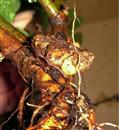
What kind of disease is root knot disease in roses?
What does root knot disease in roses look like? How to prevent and control it? Need guidance. Rose root knot disease: Symptoms: white tumor-like growths seen on the roots. Young tumors are white and elastic, later becoming hard. The tumor surface is rough. Brown or dark brown, and in severe cases the root knots can grow above the ground. Roses with root knots grow poorly, leaves turn yellow,...
-
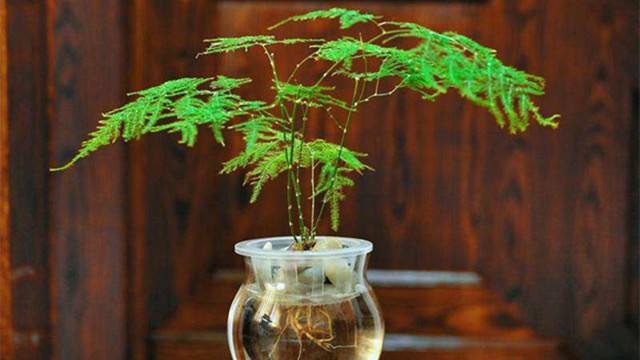
Asparagus fern hydroponics: pay attention to these points for a lush, root-rot-free plant
Asparagus fern can be grown hydroponically, and it is best to use seedlings with roots. For hydroponics, clear the old soil from the roots, rinse them clean with water, prune off diseased and old roots, and wash the wounds with carbendazim. Prepare a container, put some clay pebbles or ma...
-
What is papaya seedling root rot disease in papaya tree cultivation?
What is papaya seedling root rot disease? What harm does papaya seedling root rot disease cause? How is papaya seedling root rot disease prevented and controlled? Please provide guidance: papaya root rot disease is also called papaya root rot; the main harm of papaya seedling root rot disease: root rot mainly damages the root collar and roots, and seedlings during the nursery period and those planted not long ago are more susceptible to the disease....
-
What are the control methods for purple root rot of Astragalus membranaceus?
How to control purple root rot of Astragalus membranaceus? Please explain the methods. The pathogen of purple root rot of Astragalus membranaceus is a kind of basidiomycete fungus, which mainly damages the underground roots. It first occurs on the underground fibrous roots, then spreads to the lateral roots and the main root. In the early stage of the disease, a layer of white thread-like material can be seen wrapped around the roots; as the disease develops, it turns purplish brown and...
-
What are the control methods for root rot in red sage (Salvia miltiorrhiza)?
How do you control root rot in red sage? Please provide an introduction. Red sage root rot: 1. Harmful symptoms: Red sage root rot occurs in hot, rainy seasons and harms the plant's roots. In the early stage, only a few roots or part of the underground rhizome become diseased first, gradually spreading to the entire root system. After the roots are damaged, wet rot occurs, the outer skin turns black,...
-
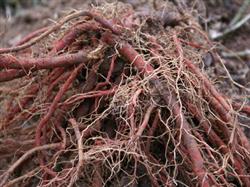
What are the control methods for root-knot nematode disease in Danshen (Salvia miltiorrhiza)?
How to control root-knot nematode disease in Danshen (Salvia miltiorrhiza)? What are the symptoms of root-knot nematode disease in Danshen (Salvia miltiorrhiza)? The control methods for root-knot nematode disease in Danshen (Salvia miltiorrhiza) can be referred to as follows: 1. Damage symptoms. The disease damages the roots of Danshen (Salvia miltiorrhiza). The affected taproots, lateral roots and fibrous roots all bear tumor-like root galls; the taproots and lateral roots become thinner, and the fibrous roots increase in number. On the galls...
-

Common Misconceptions About Hollow Orchid Roots: Get the Facts Straight to Grow Healthy Orchid Roots
What causes hollow orchid roots? This claim is actually wrong, and you may have been misled all along. To grow orchids, you must first grow good roots; when the roots are healthy, the orchid will survive, send up new shoots, and bloom. Orchid roots are fleshy roots and aerial roots, which is something orchid growers all...
条件筛选