-
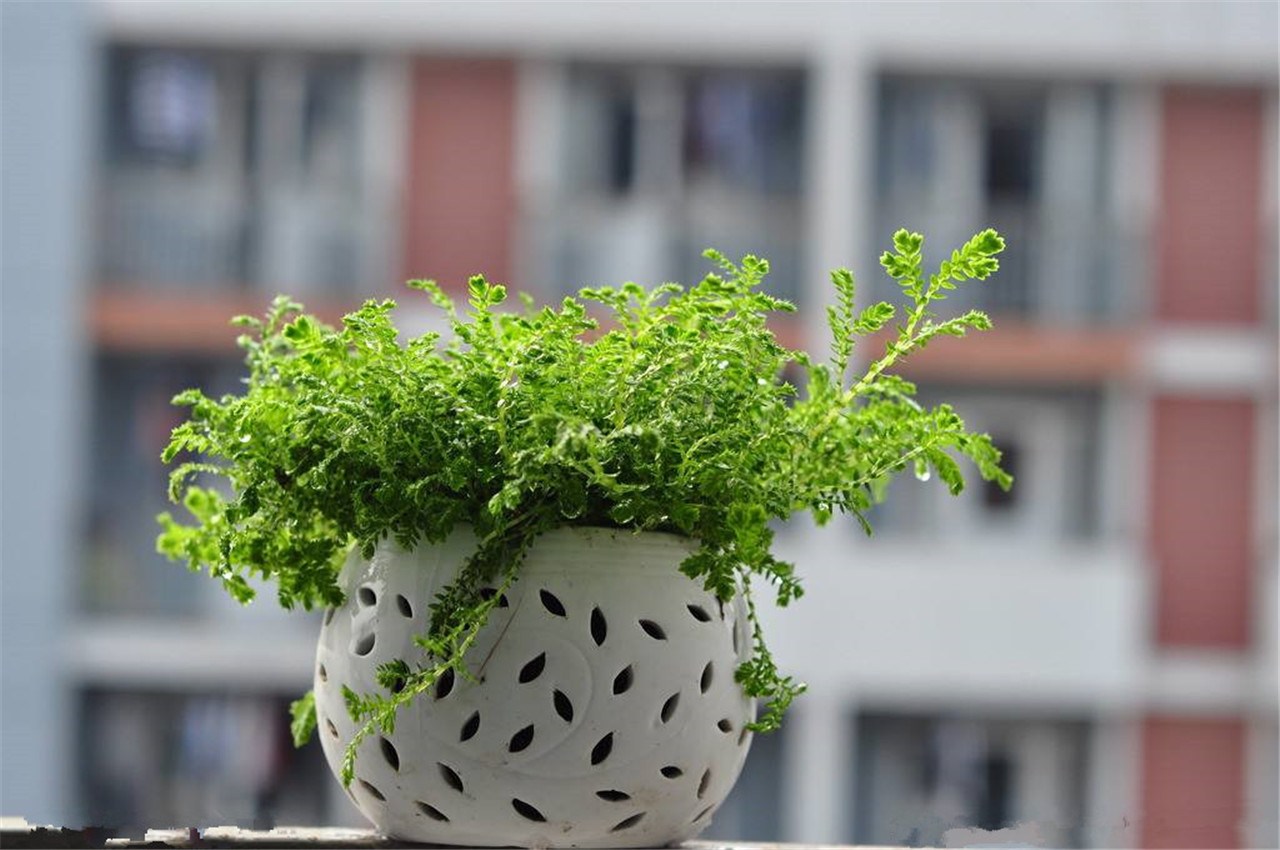
Take cuttings of these 2 flowers in summer: they root fast, grow well, and are not prone to yellow leaves or root rot
Just take cuttings of these 2 flowers in summer: they root quickly and grow well, with no need to worry about yellow leaves or root rot! In the hot summer, many friends want their homes to be full of life, yet when choosing potted plants they worry they will not be able to...
-
Can the original soil still be used after pothos root rot?
Soil from pothos with root rot can still be used, but it is not recommended. If you want to use it, you need to spread it out flat in the sun to bake for a few days, or put it in a microwave to heat it, killing all the microorganisms in the soil, before it can continue to be used for growing flowers.
-
Is peony the same as white peony root? A detailed explanation of their relationship and differences
Peony and white peony root are different. Specifically, peony is divided into white peony root and red peony root. Generally speaking, what we call white peony root is just one type of peony, so it cannot be said that peony is white peony root. In simple terms, the broad concept of peony includes the narrower concept of white peony root, but it cannot be said that peony is white peony root, as that would be an overgeneralization.
-
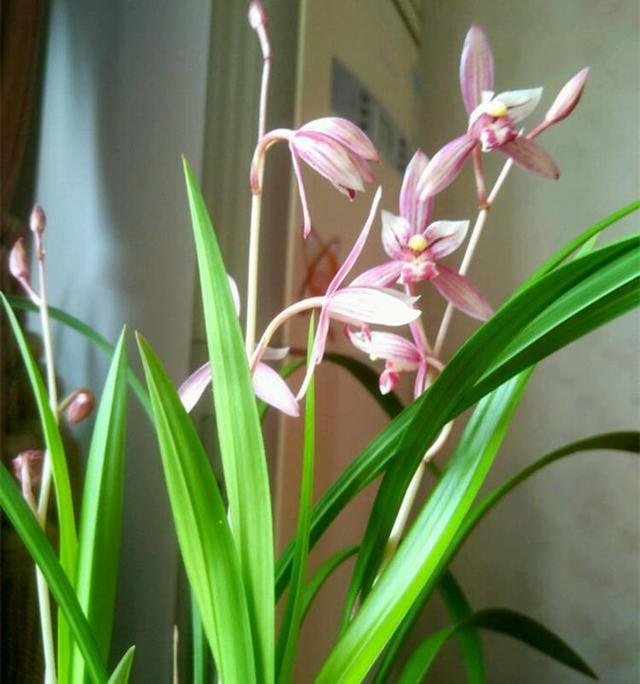
Potted orchids need both roots and leaves well fed to bloom profusely
We have talked a lot before about the issue of watering orchids, and flower lovers all know that watering orchids has a bearing on whether orchids grow well or poorly. However, many flower lovers probably do not understand that when watering orchids, both the roots and the leaves need to be watered; only when the roots and leaves of the orchid are "well fed"...
-
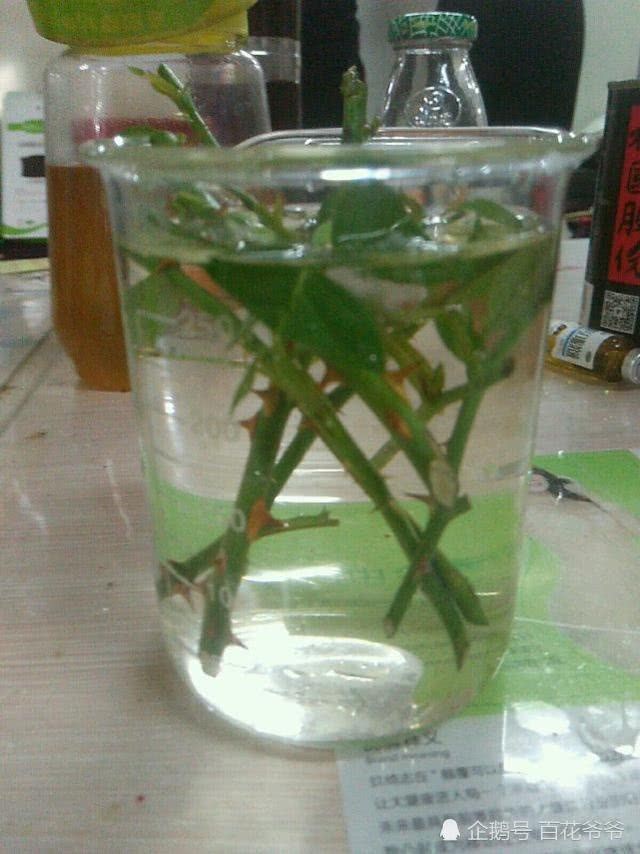
Do rose cuttings this way: every cutting you stick will live, and in 2 weeks they grow big white roots
Recently, some flower friends left comments saying that their own rose cuttings looked like they were sprouting new shoots, but a few days later the stems turned black and died. What is going on? Exactly how should roses be propagated by cuttings so the survival rate is high? Bai Xiaomei'er has also tried many kinds of rose...
-

Correct watering method for the money tree (Pachira aquatica): should you water at the roots?
You can water the money tree at the roots, but there must be no standing water in the potting soil. Watering at the roots should not be too frequent; once a week is enough. When humidity is low, you can mist appropriately to increase humidity. In addition, in summer, avoid watering at noon; do it in the morning or evening. In winter, when temperatures are low, water at noon to avoid damaging the roots.
-
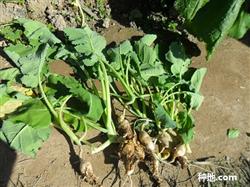
Control Methods and Technical Key Points for Clubroot of Rapeseed
How to control clubroot of rapeseed? Please explain. Clubroot of rapeseed occurs on the roots. The pathogen generally invades through root hairs or young roots, forming galls on the main root or lateral roots. It is commonly known as "big head disease." In the early stage, the surface is smooth and white; later it turns brown, rough and cracked. It is easily infected by other pathogens and rots...
-
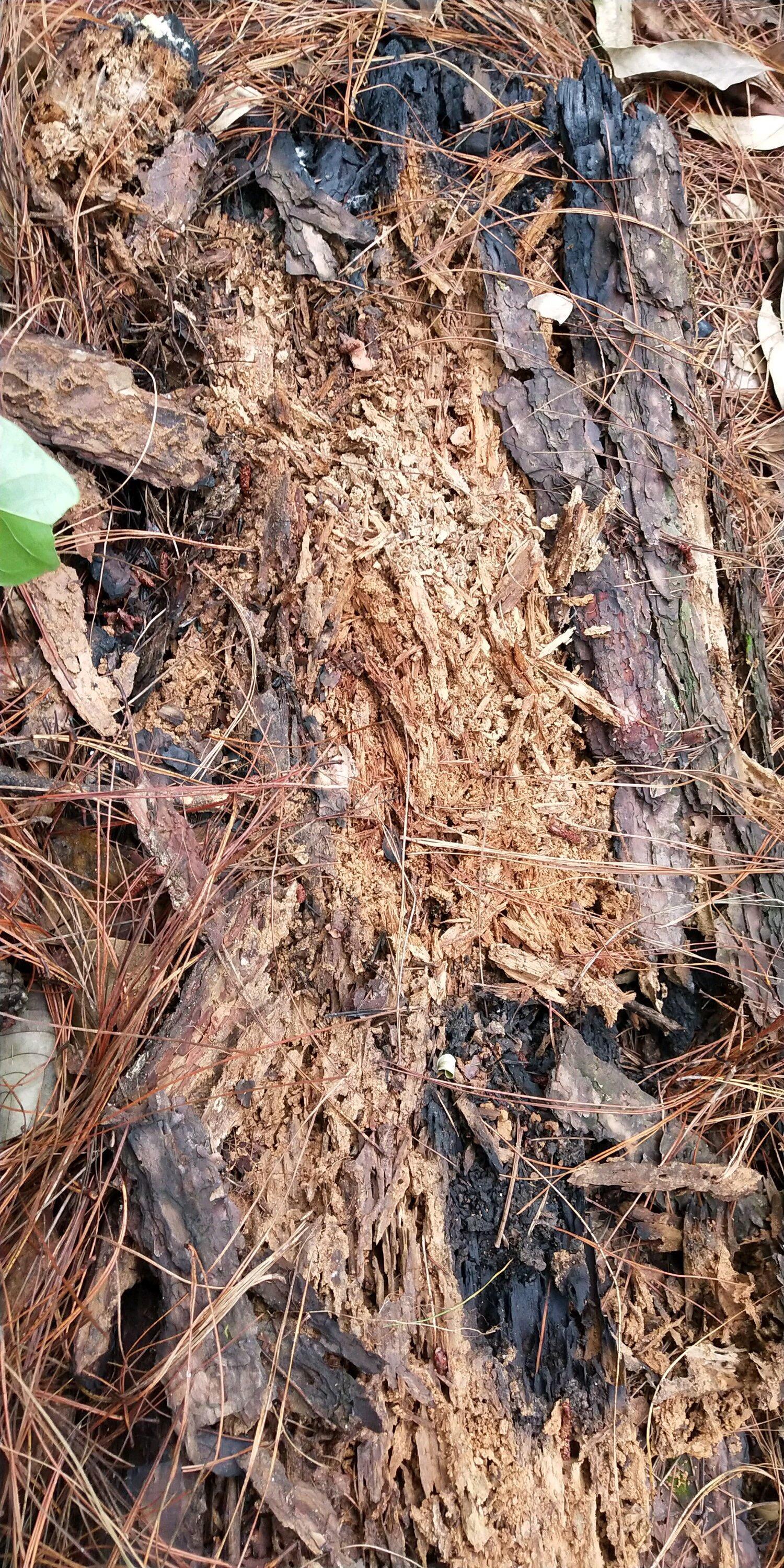
This orchid treasure that comes only once in ten years: grow jade roots and boost the rich fragrance, not for sale even at a thousand yuan
Old Li loves growing orchids. Ever since he started growing orchids, his home has basically turned into a "toll station." He has peeled tree bark, dug up mountain soil, and gone to the pond to scoop out pond mud. His wife at home also likes to say a few words to him, but every time the orchids bloom...
-

What to Do About Root Rot and Bud Drop in Peonies? A Detailed Guide to Prevention and Treatment
Peony gray mold is one of the most important diseases of peonies worldwide, and it also occurs from time to time in China, being relatively severe in places such as Shanghai and Zhengzhou. The disease can occur throughout the peony growing season and is seriously harmful to young, tender plants, causing seedlings to lodge and wilt. This is a fungal disease that visibly affects peony leaves, stems, flowers and more...
-
Detailed Guide to Identifying Symptoms of Banana Root Nematode Disease and Control Methods
What is banana root nematode disease and how is it controlled? Please provide an introduction. The introduction to banana root nematode disease and control methods is as follows: (1) Symptoms. Root nematodes infect the roots of banana. Affected large roots appear short and swollen, with cracking, and galls sometimes form on small roots. Sometimes they are destroyed before developing into large roots; when swollen, cutting the tissue open reveals brown dotted substances. Because of nematode damage, the roots become infected by pathogenic bacteria, causing root rot and leaving few effective roots. Above ground, the main symptoms are stunted plants, yellow leaves or clustered leaves, loose bunches, loss of green at leaf margins, many dead leaves, and wavy, crinkled leaves. In plants that have emerged from the bud, old leaves look scorched, withering from the leaf margin to the midrib. In severe cases, the fruit bunch cannot bend down normally, and the fruit is thin, small, shriveled and hard; sometimes the symptoms resemble bunchy top disease, except that the petiole has no "green veins".
条件筛选