-
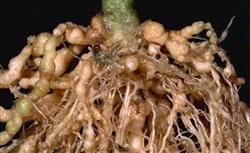
Control Methods for Root-Knot Nematode Disease in Cantaloupe Cultivation
What harm does root-knot nematode disease cause to cantaloupe? How do you control root-knot nematode disease when growing cantaloupe? Please provide control methods. Zhongdiwang has compiled the harm and control methods of cantaloupe root-knot nematode disease, listed below for netizens' reference. Harm of cantaloupe root-knot nematode disease: Root-knot nematode disease is a...
-
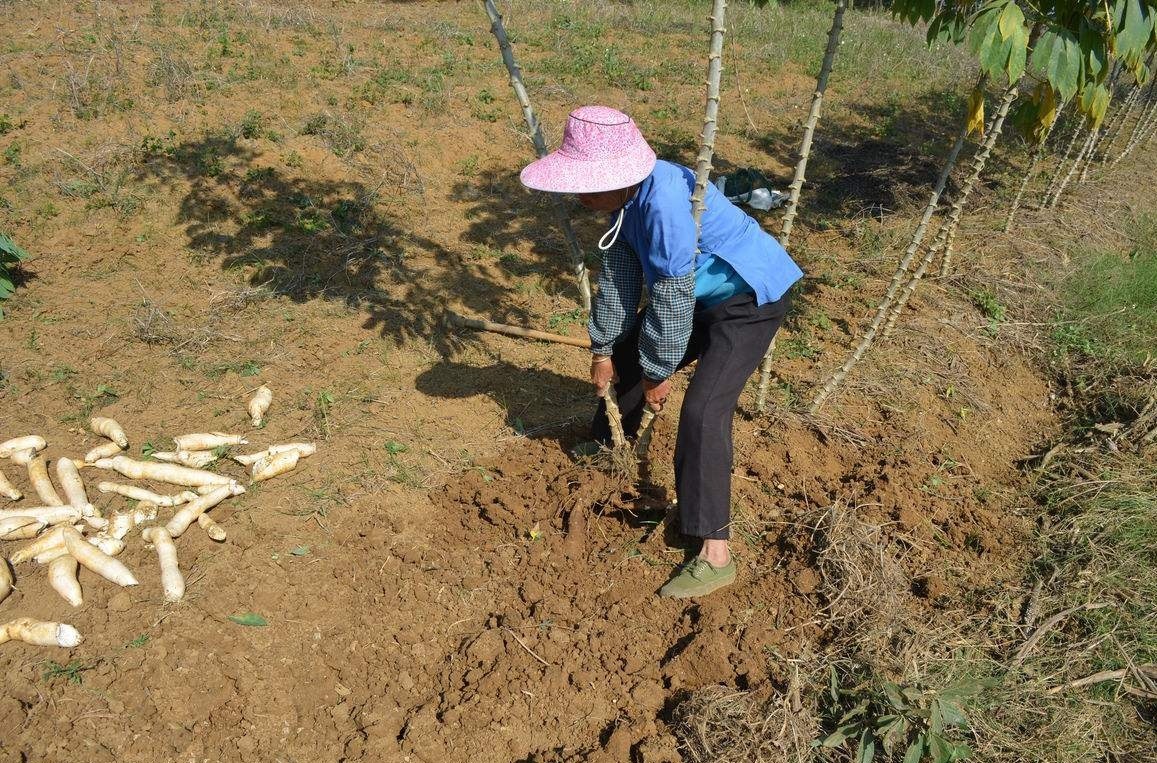
Underground tree roots need to be soaked for 7 days and 7 nights before they can be eaten; poor people once used them as a staple food, but now they are rarely seen
Nowadays people's living standards are very high, and diets are becoming more and more refined. Many young people today have never even seen the grains that people used to eat. In the past, food was extremely precious. When we were children, our parents often taught us not to...
-
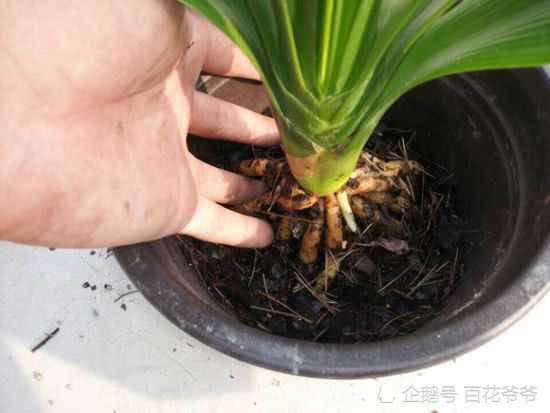
Always getting root rot when growing flowers? Put this at the bottom of the pot for loose, airy soil and plenty of nutrients, and new shoots will keep sprouting
Summer is here, and we have always stressed that the plants at home need their watering frequency appropriately increased to keep them from drying out or dying of heat, but if this amount is not handled well, it easily causes waterlogging, root rot and yellow leaves, so most flower growers end up killing their plants with water...
-
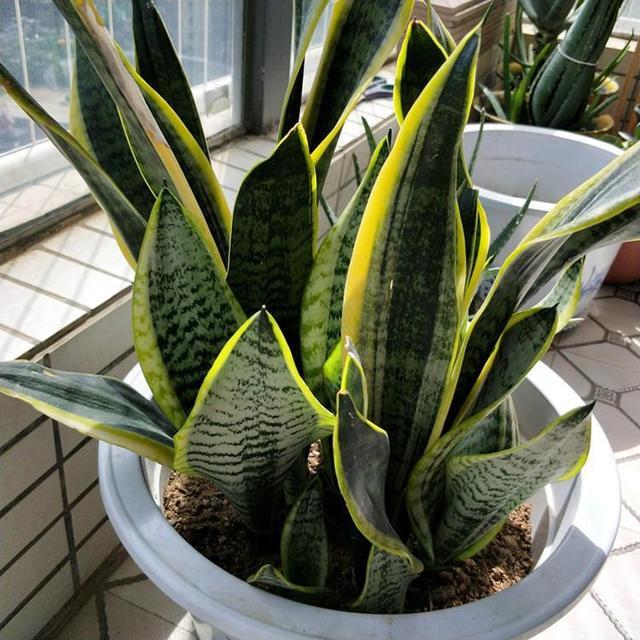
This green plant has distinctive leaf color and takes root as soon as it is inserted
Snake plant (Sansevieria) has leaves that are thick at the bottom and pointed at the top, standing upright like swords, which is quite unusual. The leaf color is also "distinctive," with alternating white and green horizontal stripes, like the markings of marble. This green plant is easy to care for, and it is grown both for its foliage and for its flowers...
-
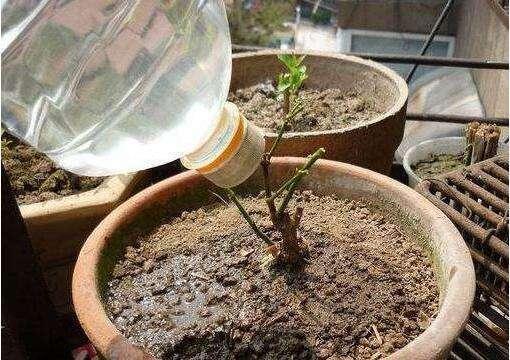
Pour a little of this into the flower pot, and no matter how hot it gets, the soil will not harden - loose and good for the roots
The weather is getting hotter and hotter. This period is also a difficult time for potted flowers to get through. After all, when the temperature is too high, small problems easily appear, such as root scorching, yellowing leaves, drying up, flower drop, and even failure to bloom. Actually, it is not...
-
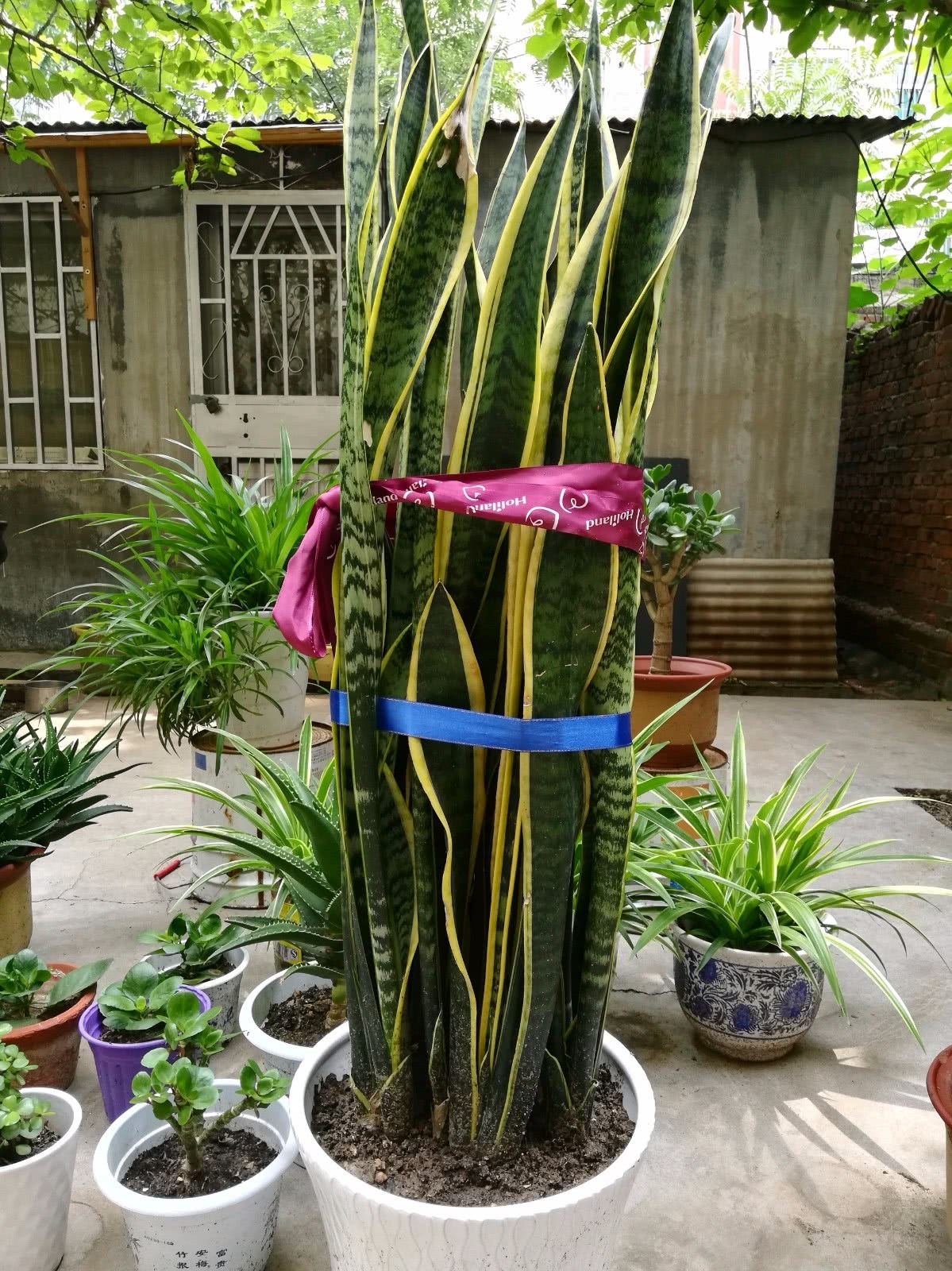
Snake Plant: 3 things to watch in summer, no root rot for 10 years, green leaves and pups bursting out of the pot
Snake Plant, also known as mother-in-law's tongue, is easy to grow, hard to kill, and has a strong air-purifying ability, so it has always been deeply loved by many flower lovers. It carries the flower meaning of "tough and tenacious," making it very suitable as a gift for elders and the elderly...
-
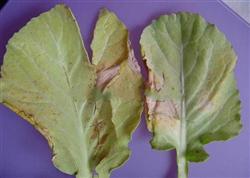
What Is Cabbage Root Rot? A Detailed Guide to Cabbage Cultivation Diseases
What is cabbage root rot? How do you prevent and control cabbage root rot? Here are the methods. The damage and causes of cabbage root rot: it mainly occurs during the seedling stage or shortly after transplanting. The epidermis at the base of the stem turns brown and rots, followed by the rotting of the root system, and affected plants can be pulled out very easily. The disease overwinters as mycelium in seeds and soil...
-
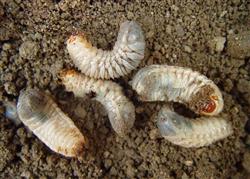
What are the root pests of peonies? Detailed planting techniques
What are the common root pests of peonies? What control methods are there? Please introduce them. The common root pests of peonies include white grubs, cutworms, termites, and others. For detailed control methods, refer to the following list: 1. White grubs: the larvae of scarab beetles, milky white in body color, cylindrical, with many wrinkles, and they harm the roots of peonies....
-
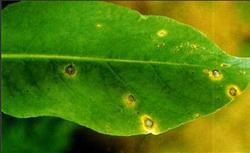
Isatis root cultivation: How to prevent and control pests and diseases of Isatis root?
How to prevent and control pests and diseases of Isatis root? Please explain the methods. Common pests and diseases of Isatis root include downy mildew, root rot, cabbage white butterfly, diamondback moth, etc. The prevention and control methods are described in detail below for reference: 1. Downy mildew: mainly damages leaves and petioles. Pay attention to drainage and ventilation with light; before and at the early stage of the disease, spray with 50% Tuzet 1000...
-
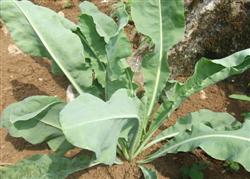
Detailed Explanation of Isatis Root Planting Management Methods and Technical Points
How to manage Isatis root planting? Please introduce the daily management methods. The daily management of Isatis root mainly includes field management and pest and disease control. For detailed methods, please refer to the following: Isatis root field management methods: When the seedlings are 7-10 cm tall, thin them out; when the seedlings are 12 cm tall, set the spacing, with a plant spacing of 7-10...
条件筛选