-

Detailed Explanation of Main Diseases of Kudzu Root and Their Control Methods
The dried root of the leguminous plant wild kudzu (Pueraria lobata (Willd.) Ohwi), also known as sweet kudzu, dried kudzu, and powder kudzu. Nature neutral, taste sweet and pungent. It has effects such as relieving muscles and reducing fever, promoting fluid production and quenching thirst, and promoting eruption of rashes. It mainly treats symptoms such as cold and fever, incomplete rash eruption, gastroenteritis, and high blood pressure. Its flowers are neutral in nature and sweet in taste, and have the effect of sobering up and stopping...
-
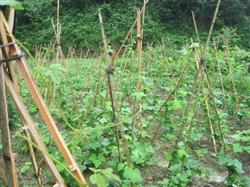
How is artificial trellising carried out in kudzu root cultivation?
Artificial trellis cultivation of kudzu root is suitable for wasteland, farmland, in front of and behind houses, vegetable gardens and other low-lying land. (1) Select good varieties. Give priority to stabilized high-yield kudzu root, with local folk-cultivated varieties as a supplement; absolutely do not cut corners by planting wild kudzu or local varieties with coarse fiber. (2) Plastic film seedling raising 1. Preparation of nutrient seedling beds: choose...
-

Detailed Explanation of the Key Cultivation Techniques for Fast-Growing Kudzu Root
Kudzu is a leguminous vine plant, and every part of it is valuable, with extremely high economic value. Among them, kudzu powder is a specialty health food that combines nutrition, dietary therapy, and deliciousness, and through deep processing it can also be made into more than a dozen kinds of exquisite foods; kudzu leaves are rich in plant protein and belong to complete feed; kudzu flowers are a precious medicinal material and a good remedy for sobering up. Kudzu has a short growth cycle...
-
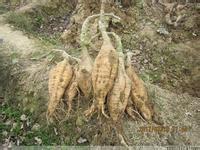
Characteristics and Artificial Cultivation Techniques of Wild Kudzu Root Explained
I. Characteristics. Kudzu root has strong adaptability, does not demand strict climate or geographical conditions, and is easy to cultivate. It is suited to a warm and humid growing environment. Kudzu root likes warmth and tolerates heat; when the average daily temperature reaches about 12°C, it begins to sprout; the suitable average daily temperature for growth is 20-33°C; 25-30°C is suitable for tuberous root formation, and 15-20°C is suitable for tuberous root...
-
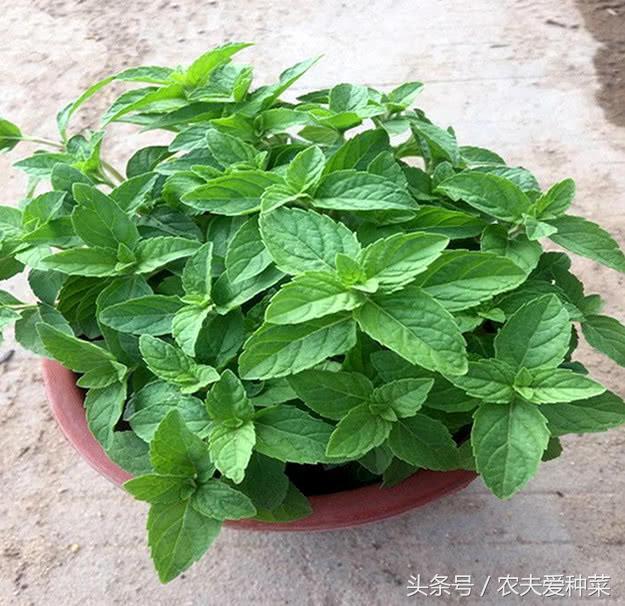
A potted plant with its own fragrance, a single branch stuck in soil will root, grows fast, pick and eat whenever you want
This kind of potted plant with its own "fragrance", a single branch thrown in soil will root, grows insanely fast, pick and eat whenever you want! When I was little, there was a patch of mint growing by the edge of the vegetable garden in front of the house, basically no one bothered to tend it, yet it grew very vigorously on its own. Sometimes when the family cooked...
-
What are the morphological characteristics of the blueberry root system?
What kind of characteristics do blueberry roots have? Please introduce them. The blueberry root system has no root hairs. For this reason, the absorptive capacity of the blueberry root system is much smaller than that of root systems with root hairs. Its absorption area is only 1/10 that of a wheat root system of the same size with root hairs. The blueberry root system is fine and fibrous, and before branching the fine roots are straight...
-

Grow a money tree in the living room: pay attention to this one thing and the leaves will be lush with no root rot
Feng shui is a very important part of traditional Chinese culture, and when growing plants at home, feng shui cannot be ignored either. Put them in the right spot, and not only will they attract wealth and good fortune, but the plants will also grow better. So where is the best spot to place plants in the home...
-
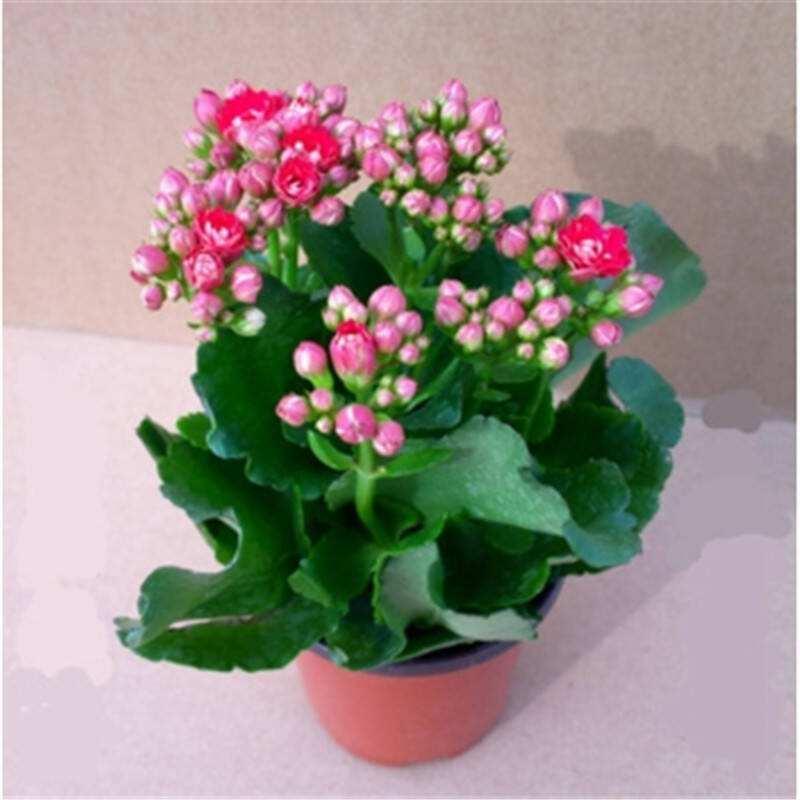
What to do if your plants get root rot from overwatering? Add a little of this to the potting soil and you won't have to worry
For beginners at growing flowers, most plants die from being overwatered too frequently, and in many cases the potting soil easily becomes compacted, which is also what causes water to pool in the pot or the roots to have trouble breathing...
-

How to harvest lotus root properly? Master the correct harvesting method
How is lotus root best harvested? Please give guidance. Harvesting lotus root too early affects yield, while harvesting too late lowers quality. Therefore, the harvest time should be determined according to how early or late the plants develop and the intended use. ① Huaxiang lotus root. The newly formed lotus root is called huaxiang lotus root, also known as tender lotus root. This kind of lotus root has a very low starch content and features a fresh, tender, sweet and crisp flavor. When the lower-layer leaves of huaxiang lotus root are yellow-green, the middle-layer leaves are dark green, the upper leaves have all taken shape, and no new leaves appear in the whole plant, it can be harvested. Early September is the best time, but harvesting at this time affects yield, so only a small amount should be harvested. ② Mid-Autumn lotus root. Mid-Autumn lotus root can be harvested around the Mid-Autumn Festival, when the lower-layer leaves in the whole field have withered, the middle-layer leaves are yellow, and the upper-layer leaves are yellow-green. Harvesting Mid-Autumn lotus root is mainly to meet people's needs for the Mid-Autumn Festival and National Day. ③ Red-rust lotus root and white-rust lotus root. Red-rust lotus root is generally harvested in mid-October, named because the surface of the lotus root has a rust color at this time. At this stage the lotus root contains more starch and can be used for cooked food or processed into lotus root powder. By the end of October, the redness of the lotus root fades and turns white, and it is called white-rust lotus root. At this time the lotus root is rich in starch, suitable for processing and eating, and can also be stored until after the beginning of spring the following year.
-
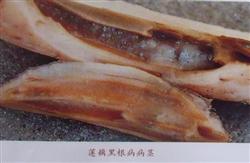
What diseases need to be prevented and controlled during lotus root cultivation?
What diseases need to be prevented and controlled when growing lotus root? Please give an introduction. Lotus root is a high-yield, high-efficiency aquatic cash crop and a vegetable variety commonly eaten by the general public. It is widely cultivated in various regions, and with the adjustment of industrial structures in various places, its cultivation area tends to keep expanding. In recent years, lotus root diseases have become increasingly serious...
条件筛选