Papaya Cultivation Techniques: How to Prevent and Control Papaya Seedling Root Rot?
How to prevent and control papaya seedling root rot? Please explain. Papaya root rot is also called papaya root rot disease. Symptoms: This disease mainly affects the root collar and roots. Seedlings during the nursery period and those planted not long ago are more susceptible. It is especially likely when the groundwater level in the nursery and cultivation area is high or poor drainage causes waterlogging, and when the soil is highly clayey. Affected plants...
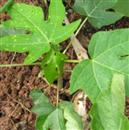
How to prevent and control papaya seedling root rot? Please explain.
Papaya root rot is also called papaya root rot disease
Symptoms: This disease mainly affects the root collar and roots. Seedlings during the nursery period and those planted not long ago are more susceptible. It is especially likely when the groundwater level in the nursery and cultivation area is high or poor drainage causes waterlogging, and when the soil is highly clayey. In the early stage of the disease, water-soaked spots appear at the stem base, which later turn brown and rot, the leaves wither, the plant dies, and the roots become brown and necrotic.
The pathogen is Fusarium spp. The pathogen overwinters in the soil and becomes the source of infection the following year, spread by flowing water.
Control methods: The seedling shed must be well ventilated and allow light through to lower the temperature. The seedling bed and planting site must have good drainage to avoid waterlogging. Before the rainy season arrives, spray 1000 ppm (about 1000-fold dilution) phosphorous acid 2 to 3 times, once every seven days, which has a good preventive effect. When using it, phosphorous acid must be prepared on the same day, and must be neutralized with an equal weight of potassium hydroxide to neutralize the acidity.
Avoid continuous cropping, and do not rotate continuously with vegetable fields (especially where the previous crop was Cucurbitaceae). Pay attention to controlling snails and ants. When diseased plants are found, pull them out, and drench the diseased holes with medicinal solution to protect them. Use 70% dexon wettable powder at 1000-fold dilution, or 50% carbendazim wettable powder at 500-fold dilution, drenching 0.3-0.5 kg of medicinal solution per plant, once every 7-10 days, continuously drenching 0.3-0.5 kg of medicinal solution, once every 7-10 days, for 2-3 consecutive applications.
Click to get more papaya cultivation techniques
Click to get more fruit cultivation techniques