-
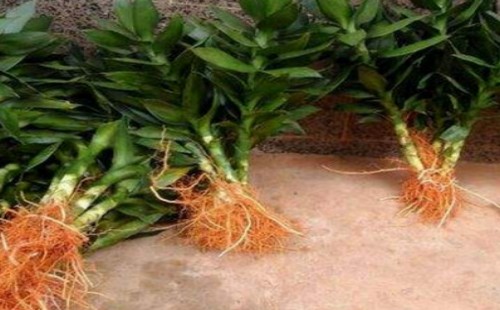
Can the roots of Lucky Bamboo be cut off? Explanation of disease prevention measures
Lucky Bamboo (Dracaena sanderiana) has thick stems and large leaves, making it a very suitable evergreen plant for indoor foliage display. Precisely because its thick stems and large leaves consume a large amount of nutrients, its root system is also relatively well developed. After being grown for a long time, its roots will densely cover
-
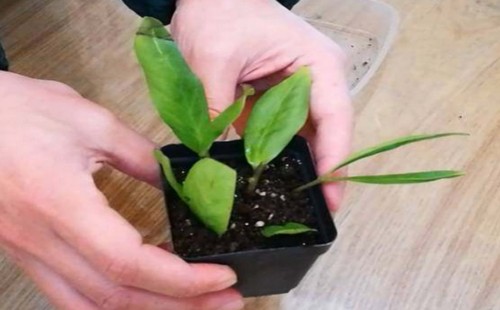
How to use rooting powder on the money tree? Disease prevention methods you need to know
For home potted plant owners, the potted money tree (Zamioculcas zamiifolia) offers many benefits, so its practical value is very high. The money tree can be propagated into small potted seedlings by means of cuttings, division and tubers, but to speed up survival and promote sprouting, we usually
-
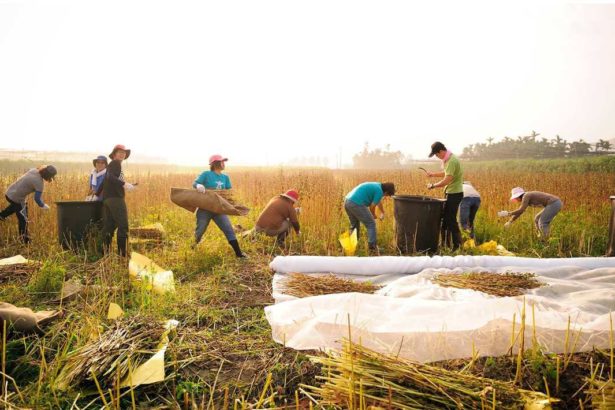
Taiwan Rural Front Summer Cultivation Grassroots Investigation Camp Recruitment: Down-to-earth Understanding of Rural Land
Taiwan Rural Front / Enter the countryside, understand this land down-to-earth, hurry and join the Summer Cultivation Grassroots Investigation Camp
-

Methods for preventing and treating root rot in potted flowers and techniques for sterilizing potting soil
How do you prevent and treat root rot in potted flowers?
-
Techniques for Dividing Clivia miniata, and Points to Note About Root Rot
Techniques for Dividing Clivia miniata
-
Five key points for winter care of clivia, pay attention to these small details to prevent root rot
Five key points for caring for clivia in winter
-
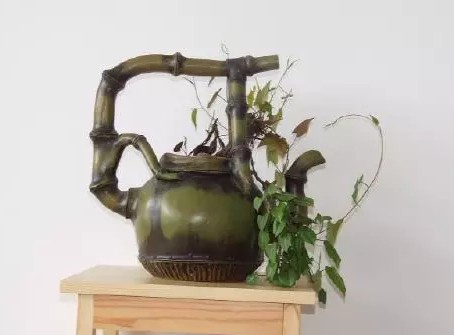
How to Build a Trellis and Prune a Fleeceflower Root (He Shou Wu) Bonsai? A Full Breakdown of Practical Tips
Many people know that He Shou Wu (fleeceflower root, Fallopia multiflora) is a medicinal plant with multiple functions such as tonifying essence and blood, darkening the hair and beard, strengthening the bones and muscles, and nourishing the liver and kidneys. In fact, it is also an excellent ornamental plant, and its ancient-looking, richly varied tuberous roots, lush vines, and delicate leaves can be used to create bonsai.
-
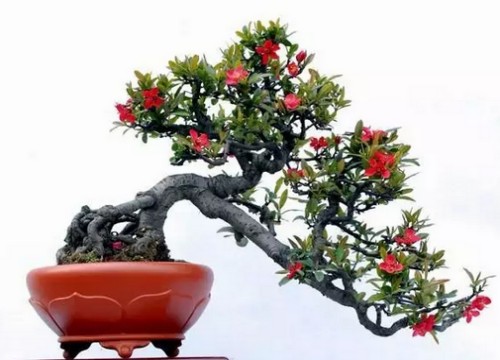
What are the correct methods for correcting bonsai roots?
The longer a bonsai is grown in a pot, the more beautiful its root base becomes, so the age and antiquity of a bonsai tree can be judged from its root base. To create a bonsai with a good root base, use a shallow pot, pile the soil slightly higher than the pot rim, let the roots straddle the mounded soil, barely exposed above the soil surface, spreading out in all directions, and exposed to sunlight to accelerate their growth and transformation
-
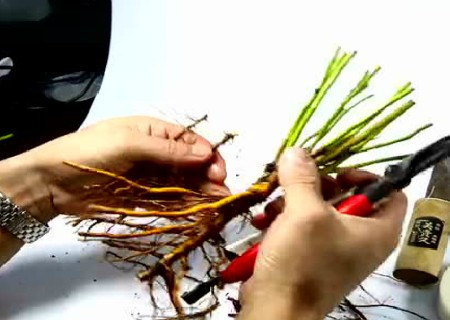
Rose root grafting technique - a root grafting method for bare-root rose grafting
Speaking of root grafting, we need to first talk about grafting. Why? Because root grafting falls under the "scion grafting" category of the two grafting methods, "scion grafting" and "bud grafting." Grafting is one of the artificial vegetative propagation methods for plants. That is, grafting a branch or bud of one plant onto the stem or root of another plant.
-
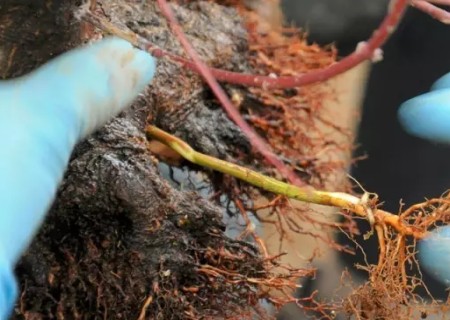
Detailed Explanation of Bonsai Root Grafting Techniques: Root Grafting Methods and Key Operation Points
For bonsai enthusiasts, roots are an important factor determining stability and a sense of age. Therefore, the term "first the root base, second the trunk, third the branches" is popular in the bonsai world. Thick roots exposed above the ground, with the trunk as the center, extending evenly in a horizontal manner in all directions, closely integrated with the ground - this is a good root base formation.
条件筛选