-
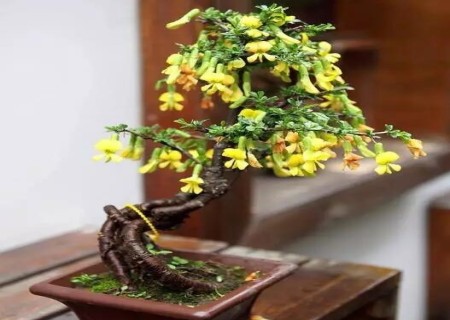
How to Expose the Roots of a Broom (Genista) Bonsai for Styling? A Complete Guide to the Methods
Broom (Genista) is famous for its flowers that bloom in the shape of a bird soaring on outstretched wings, and its bright, striking colors bring vibrant life to any setting. The roots of broom are even more gnarled and powerfully rugged, and they are highly flexible, making them easy to twist into shape, which makes it an excellent species for creating bonsai. So a broom bonsai is not only enjoyed for its flowers
-
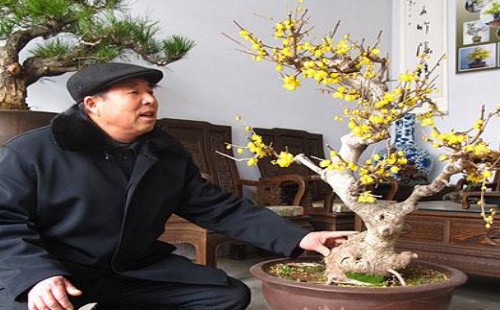
What is the best rootstock for grafting winter jasmine
Winter jasmine is a very important landscaping tree species in our country. Because of its high ornamental value, whether it is used to beautify the urban environment or made into a bonsai, it is very pleasing to look at. And winter jasmine, as a bonsai tree species with a very outstanding ornamental effect, is deeply favored by the vast number of bonsai enthusiasts
-

How to grow a bonsai ficus so it develops aerial roots
Ficus trees have the characteristic of growing aerial roots, and these aerial roots hang down from the branches and trunk like a person's beard, making them very distinctive. Some aerial roots are also very long, and can even hang down to the surface of the pot, looking quite unique. On closer observation, the aerial roots growing from the branches and trunk will, as time goes on, develop dangling fibrous roots
-
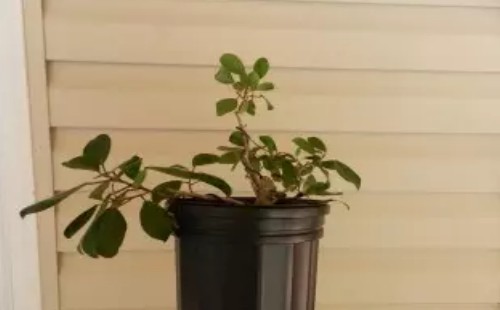
How long does it take for a banyan (Ficus) cutting to root? With method illustrated
Banyan bonsai is deeply loved by bonsai enthusiasts for its extremely high ornamental value, and there are also many methods for propagating young plants. Taking cutting propagation alone, there are several ways, such as approach grafting to thicken, combined planting cuttings, multi-branch combined cuttings, and direct old-trunk cuttings.
-
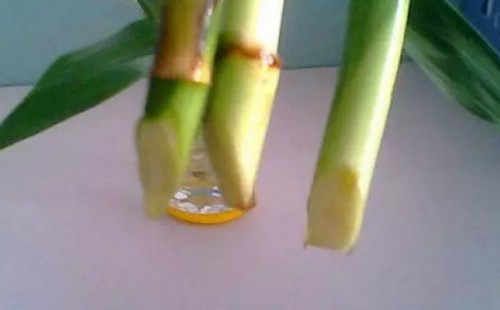
How to trim the roots of lucky bamboo grown in water? Detailed explanation of the correct method
Many people like growing lucky bamboo in water, and compared with lucky bamboo potted in soil, its care and management are simpler and cleaner, and it also has extremely high ornamental value. However, because each gardening enthusiast has a different level of experience in planting and growing, the lucky bamboo grown by each household often has its own characteristics, with varying quality
-
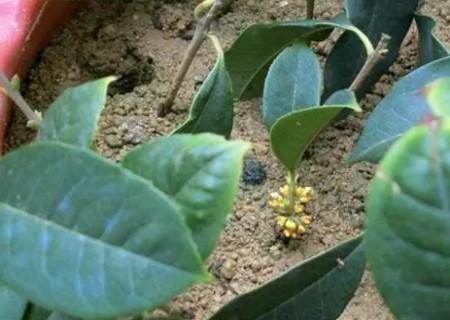
What are the fastest methods for rooting osmanthus cuttings?
As one of China's ten traditional famous flowers, osmanthus has a fragrance that refreshes the heart and mind, and it is also quite tolerant as a potted plant and rewarding to view, making it deeply loved by gardening enthusiasts. Osmanthus also has many propagation methods, usually including sowing, cuttings, grafting, and layering, but by comparison, cuttings seem simpler and more direct. Using different propagation methods
-

How to root osmanthus in water - Methods for rooting osmanthus cuttings in water
Osmanthus can be propagated not only by soil cuttings, but also by water cuttings. However, compared with water cuttings, osmanthus grown from soil cuttings roots more easily. Osmanthus cuttings in water are very difficult to root, but that does not mean they will not root at all. Usually, as long as we can provide a suitable growing environment for osmanthus cuttings in water
-

Detailed Explanation of the Key Points of the Girdling Cutting Rooting Technique for Roses
The methods of propagating young rose plants are divided into sexual reproduction and asexual reproduction. Sexual reproduction is generally used in breeding new varieties or producing rootstock, etc.; while asexual reproduction can be done through cuttings, division, layering, tissue culture, and other methods. Among the cutting propagation methods for roses
-
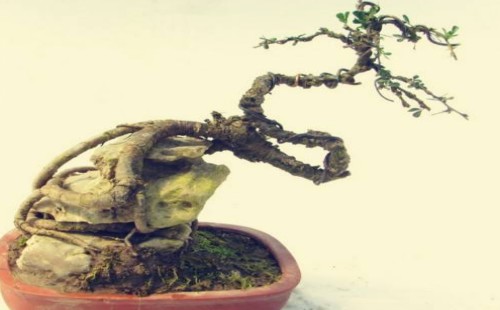
How to coil and expose the roots of a Caragana bonsai? Master the correct method
Coiling the roots is an important means of shaping the roots in the process of making an exposed-root bonsai. First of all, during the potting process, the roots must be properly handled, and soil must not be covered in the traditional way. When potting, you can lift the roots up slightly so that they are exposed above the soil surface. This not only makes shaping easier
-

How to root Schefflera cuttings quickly? A few practical tips for you
The Schefflera can be propagated in many ways. It can not only be grown from seed, but can also be propagated by cuttings, division, layering, and so on. However, whether for mass production or for home potted plant growers, cutting propagation is often the most suitable. This is because the cutting method is not only simple to perform, but also gives good survival rates, so the propagation efficiency is relatively high
条件筛选