-

How to judge the quality of orchids when introducing them by their roots
A gold award-winning variety at the Jiangsu Jingjiang Cymbidium faberi exhibition.
-

Why Are Orchid Roots Turning Black? Causes and Solutions
There are many situations in which orchid roots turn black, and it is not possible to determine the cause from one single aspect. Flower lovers can refer to the information below to make a judgment....
-
Orchid Leaf Abnormalities Reveal the Root Causes of Disease
01. Leaves yellowish but growing normally: light too strong. 02. Leaves turning yellow, new shoots small: excessive light, lack of nitrogen fertilizer or insufficient humidity. 03. Old leaves yellowing and dropping: normal aging and natural shedding, or improper repotting. 04. Tips of new leaves scorched: excessive fertilizer or pesticide, or unclean potting medium. 05. New leaves and old leaves...
-
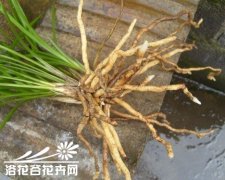
How do you grow orchids? Getting the root system healthy comes first
Roots are the foundation of all growth and the main part through which plants absorb nutrients. If the roots are not well cared for, then the flower or tree will certainly not grow very well. Among flowering plants, the roots of orchids are especially important. But keeping orchid roots healthy is not an easy thing....
-
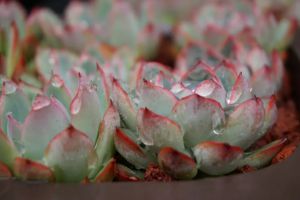
Grow succulents this way for plump, rosy-red leaves and no root rot for 10 years
Succulents have a cute appearance and are loved by many flower enthusiasts. However, many enthusiasts do not know that with just a few simple tricks, they can make their succulents even more beautiful. Let's learn about them!
-
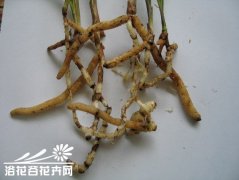
What kind of orchid root counts as a dragon root?
The "dragon root" and "dragon root seedlings" in orchids can be true or false. The so-called true "dragon root seedlings" are actually formed by seed germination, also called "seedling plants."...
-
What to do about root rot in the poison bulb (Crinum lily)? Here's how to treat it correctly
If the roots of the poison bulb (Crinum lily) have already rotted, it is difficult to cure, and it is mostly caused by watering too frequently or fertilizing too much. If only a small amount has rotted, you can tip it out, shake the soil loose, cut away the rotted parts and some of the leaves, then dry it in a dry, ventilated place, protecting it from rain and damp. After about 3 days, replant it in previously sterilized loam or sandy soil and it can be cared for normally. If conditions allow, you can sprinkle some fresh plant ash on the wounds to disinfect them. Although the poison bulb (Crinum lily) has a strong root system and the plant grows quickly, and during the growing season it needs plenty of water and fertilizer, remember never to water too frequently or fertilize too much, otherwise root rot is easily caused. I hope gardening friends will prevent overwatering...
-
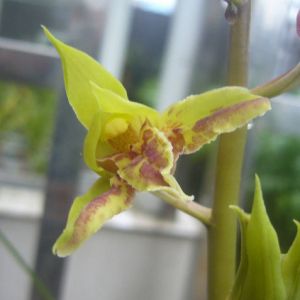
What causes empty roots in orchids? Cause analysis and solutions
A new red-flowered Cymbidium (Hui orchid) variety with petaloid side lobes, from Guilin, Guangxi. Guilin produces Cymbidium, but good flowers rarely appear there, so producing this butterfly form is truly rare and commendable.
-

What causes empty roots in orchids?
There are many causes of empty roots. Besides water, they can also be caused by insect bites or fungi. If the central strand in the middle of the root is black, it is an empty root caused by pathogenic bacteria. If the strand is a normal off-white color, and the empty root has no standing water and smells of the distinctive fresh fragrance of orchid roots, then it is caused by vigorous root fungi, and this is a normal phenomenon...
-

Don't buy figs, just take a cutting and root it on the balcony, and you'll have more fruit than you can eat
Figs are sweet and delicious, and they have many health benefits too. Figs sold in stores are quite expensive, so it's better to grow one yourself on the balcony. The method is simple, there are few pests and diseases, and by late summer it will be covered in fruit!
条件筛选