-
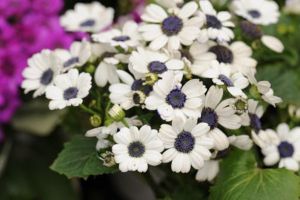
What causes root rot in cineraria
Many plants develop root rot during cultivation, just like the cineraria we are talking about today. What causes this? In fact, this symptom mainly has three causes: too much water, pest or disease infection, and poor air permeability of the potting soil. At this point, we need to take measures based on the specific cause, such as reducing water, treating the disease, and replacing the potting soil to save it.
-

Grow flowers for 10 years without root rot, pick this up from the trash can, and the leaves will shine green
A veteran flower grower told Huahua that ever since she started growing flowers, she can't bear to throw away garbage like sunflower seed shells and fruit peels, and she even goes out from time to time to pick up some garbage for growing flowers. Without spending money, the flowers grow vigorously, the leaves stay green all year round, and the roots grow as thick as radishes. Let's see how she uses garbage to grow flowers!
-
Use this kind of soil for your plants, and you will never worry about root rot or yellow leaves again, and your flowers will grow like crazy.
If you want your flowers to grow well, the first step is to choose soil that suits their growth. Some plant lovers still do not understand the characteristics of various soils, nor do they know which soil is suitable for the flowers they grow. Today, Huahua will talk to everyone about this in detail!
-
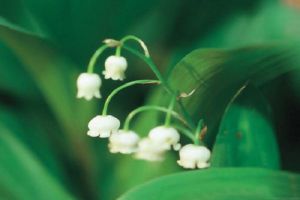
What to Do About Root Rot in Lily of the Valley? Cause Analysis and Solutions
Root rot is a common problem for lily of the valley (Convallaria majalis). How should you deal with it? It is actually not difficult. First, find the cause: if there is too much water, drain it promptly; if there is too much fertilizer, neutralize it promptly; if the situation is relatively serious, just repot it, cut off the rotted roots, then disinfect them, and plant it in fresh potting soil. However, if the situation is very serious and most of the roots have rotted away, it basically cannot be saved.
-
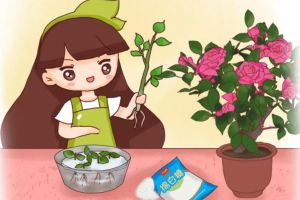
No need to buy rooting hormone - make your own at home in 2 minutes, with a 100% rooting rate
Spring is a great time for cuttings. Recently, Huahua heard that some gardening friends have run into the problem of cuttings failing to root. Today, Huahua will teach everyone how to make rooting hormone at home, so you can get roots growing like crazy without spending a penny.
-
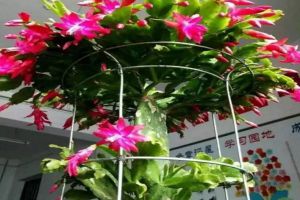
Christmas cactus grafting method you'll get at a glance, blooms explode and no root rot
Recently, many flower friends have left messages wanting to know how to graft Christmas cactus. Today, Huahua will tell everyone about the grafting methods for Christmas cactus and all the things to pay attention to!
-
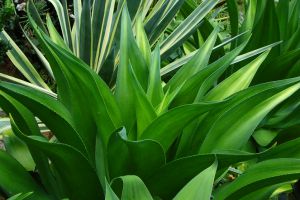
What to Do About Root Rot in Agave? Learn the Correct Way to Handle It
This is a highly ornamental plant. We can see that from the pictures. However, if its roots rot, it will definitely affect its overall appearance. To solve this problem, we first need to know the cause. If it is caused by too much water, you can first cut off the rotted roots and then reduce the amount of water given; if it is caused by an unsuitable temperature, you can adjust it to 15°C-25°C; if it is caused by pests, you need to spray the appropriate pesticide and let it get more sun.
-
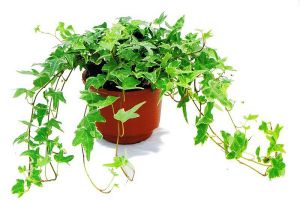
What to Do About Ivy Root Rot? Find the Cause and Treat It Accordingly
How should you deal with ivy root rot? First, we need to find the specific cause, and then adopt different methods to solve it according to the specific situation. If it is root rot caused by too much water, then we need to put it in a bright place to let the water evaporate, or help it recover by changing the soil; if it is because the flower fertilizer applied was not fully decomposed, then we can add some substances to neutralize these fertilizers.
-

How to deal with root rot in wax begonias? Detailed rescue methods
Once root rot occurs, the leaves and flowers of the wax begonia will become wilted and droopy, ruining its ornamental value. If we want to deal with this problem, we need to take corresponding measures according to the condition of our own plant: if unsuitable soil is causing the root rot, then replace it with breathable soil; if too much fertilizer is causing the root rot, then neutralize the fertilizer; if waterlogging in the soil is causing the root rot, then drain the water out; and if the situation is relatively serious, we need to cut off the rotted roots and regrow the plant.
-

Repotting without root pruning is as good as not repotting at all, and dreaming of a pot bursting with growth is even more of a fantasy.
These past couple of days, Huahua saw a comment from a flower friend saying that after repotting her plant, it died just a few days later, which left her feeling really down. How do you break the curse of "death by repotting"? Today, Huahua will start with root pruning during repotting, then explain all the repotting knowledge points in detail! Be sure to read to the end!
条件筛选