-
Crop Root Care Methods and Technical Key Points
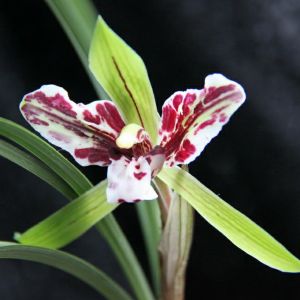
Hua Hudie is a new flower, a ruidie (staminal-petal butterfly) type that people rather like. But from my observation: many novices like it, while few experienced orchid growers do. Why? Because novices look at the showiness, and Hua Hudie is quite brightly colored, just as people around the world tend to prefer Cymbidium and Phalaenopsis orchids. Experienced growers, however, feel that Hua Hudie has a low degree of butterfly transformation, heavy green moss,...
-
Analysis of the causes of orchid root rot and prevention methods
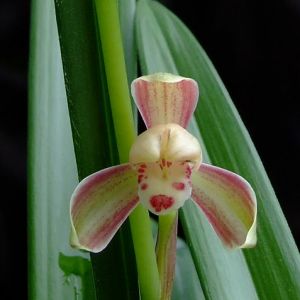
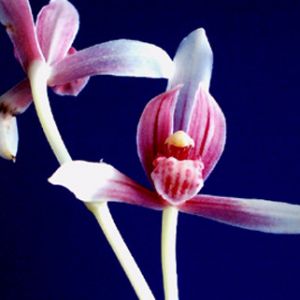
Cymbidium ensifolium 'Shuanglong Hongmei', with a dignified flower form, large blooms, and vivid colors. It originates from Ya'an and has won a gold award.
-
Detailed Explanation of the Root-Drying Method for Orchids During Introduction and Repotting
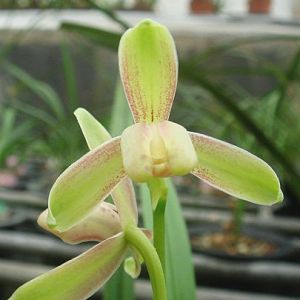
A New Cymbidium Variety: Hetang Xianzi
-
What is the story with orchid dragon roots and dragon eggs?
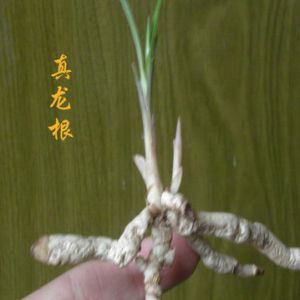
When orchid growers talk about orchids, the conversation never ends, and the center of discussion is often who has brought down another fine orchid from the mountains, and whether the plant carries a "dragon root." And every time "dragon root" comes up, it is only mentioned in terms of whether it is an authentic wild-collected seedling, and that seed-grown plants (seedlings) are worth more. However, we orchid growers...
-

Give your flowers artificial respiration, and the leaves will be as green as emerald, with no root rot even after 20 years of growing
Many flower lovers, especially beginners with little experience, accidentally end up causing root rot in their plants. What is going on? In most cases, it is because the soil is too poorly aerated, literally suffocating and rotting the roots! Today, Huahua is going to teach everyone how to give flowers "artificial respiration," so the roots can freely breathe fresh air and grow thick and strong, and the leaves can shine bright green!
-
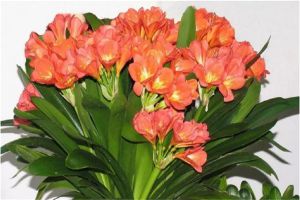
Smear a bit of this on the roots of your clivia, and the clustered clivia will fill the pot, blooming stunningly
In Huahua's impression, clivia mostly has a "middle-parted hairstyle", with leaves on both sides perfectly symmetrical. However, a few days ago at a friend's home, I saw the clivia she grows has leaves filling the whole pot, and the blooms are absolutely spectacular. How exactly do you grow this kind of clustered clivia?
-
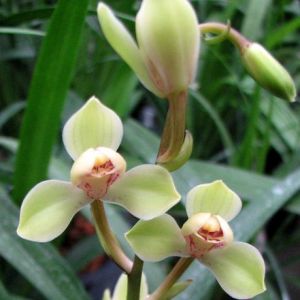
How to clean up blackened orchid root tips? Learn methods to restore root health
Zhonghua Hexian: named by Mr. Xu Zongquan of Shantou (Zhonghua Shuixian), once called (Chigan Xiahua) by Mr. Zheng Liyong! Produced in Sichuan, this line's leaves are relatively thick, slanting upright, with lotus-type narcissus petals, flowers large and held above the foliage, well-spaced with orderly arrangement, petals broad and thick, each bloom uniform, keeping its form after long opening, a fine variety worth cultivating...
-
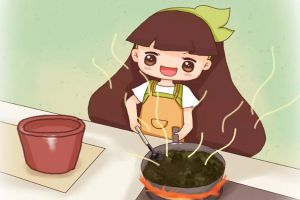
Before growing flowers, scald the soil, and bugs and germs will all die off, so roots will never rot again
Once spring arrives, not only do the flowers at home start growing, but plenty of little bugs also start popping up. Not to mention that a few days ago, when Huahua was repotting, lots of little bugs even crawled out of the soil! So before repotting flowers in spring, you must scald the soil to kill all the insect eggs and such in it, so that growing flowers won't attract little bugs!
-
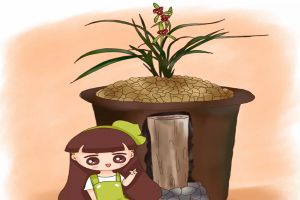
Bury a wooden stick in the flower pot, and the roots grow as thick as radishes, with plump, green leaves.
Orchid leaves are slender and glossy green, and the flowers come in rich colors, which is why many flower lovers adore them. Quite a few flower lovers think orchids are delicate and hard to grow, and getting them to bloom is even harder. To make your plants grow strong, all you need is a wooden stick. Come and see how to use it!
-
条件筛选