-
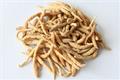
What are the effects and benefits of Pseudostellaria root?
Effects and Benefits of Pseudostellaria Root
-
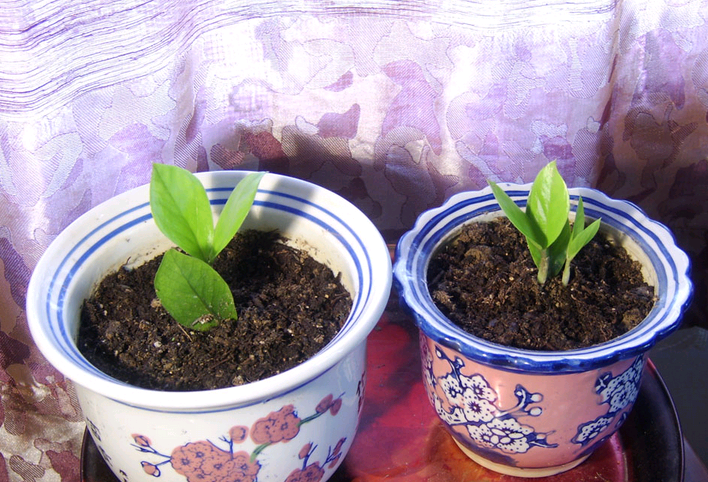
What are the reasons why money tree cuttings are difficult to root and survive?
How do you care for a money tree? Here's a book for you, "868 Ultimate Flower-Growing Tips," and you'll never worry about failing to grow a money tree again! How to get this book
-

Can a cycad with withered leaves and rotten roots still be saved?
For a purchased bare-root cycad that developed withered leaves and rotten roots after 2 months of planting and care, the problem is mainly caused by the following reasons. First, because the cycad was bare-rooted and transported from the south to the north without the necessary wind protection and cold protection measures, its root system was severely damaged and could no longer provide water to the plant, so the leaves usually turn brown first and then die.
-

How to rescue a sago palm with root rot? Teaching you the correct way to handle it
Because of soil compaction, excessive fertilizing, overwatering and other reasons, sago palm leaves easily turn white and wither and the root system rots; if not rescued in time, the whole plant will die. To rescue a sago palm with root rot, change the soil to sand to help new roots sprout again. Take the sago palm out of the flowerpot, cut off the withered leaves and rotten roots
-
How do you prevent and control root-knot nematode disease in wax begonias?
The pathogenic nematodes of root-knot nematode disease in wax begonias damage the lateral roots and fine roots of the plant, stimulating the root tissue to form giant cells and causing excessive cell division and proliferation, resulting in the production of many tumors of varying sizes ranging from 1 to 10 mm in diameter. The tumors are smooth at first, then rough on the surface later, and often produce many fibrous roots
-

What to Do If the Christmas Cactus Has Root Rot? Learn the Correct Growing Method
What to Do If the Christmas Cactus Has Root Rot, and How to Grow the Christmas Cactus
-
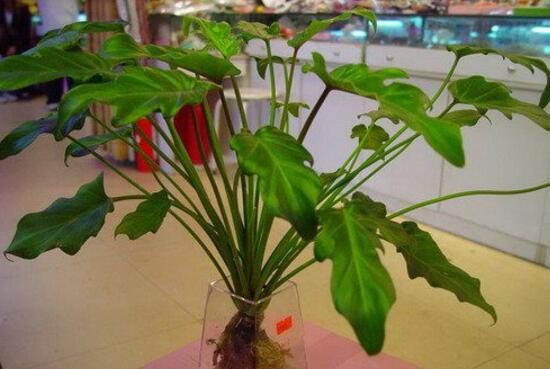
Sand-burial method for sprouting and rooting Dracaena fragrans cuttings
Burying Dracaena fragrans in sand to force sprouts and roots is actually a form of cutting propagation. When Dracaena fragrans is shipped from the south to the north, most of it arrives as finished plants with leaves, soil and pots. Leaves are easily damaged in transit, which affects the ornamental effect. Transport is inconvenient and the cost is too high. If, instead, Dracaena fragrans canes are shipped
-

What to Do If a Clivia Miniata Has Root Rot? An Expert Teaches You How to Handle It
An Expert Teaches You What to Do If a Clivia Miniata Has Root Rot
-

Apricot varieties whose roots can be used as medicine and methods for protecting the roots
Apricot varieties whose roots can be used as medicine and methods for protecting apricot roots
-
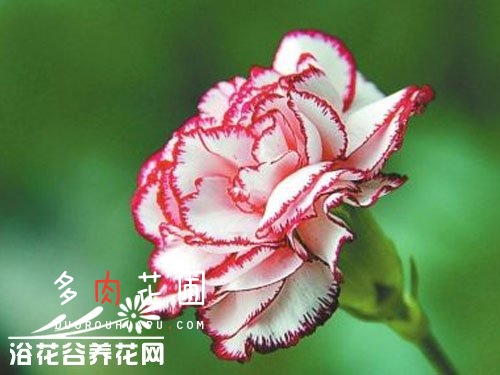
How can carnations be propagated by cuttings so they root easily?
Carnations are mainly propagated by cuttings. Since cutting material is plentiful, growth is fast and the survival rate is high, this helps speed up propagation. Cuttings can be taken in any season except the hot summer. In production, indoor cuttings from January to March are preferable, so that the plants can bloom in winter and spring. Especially when cuttings are taken from late January to early February
条件筛选