What are the effects and benefits of Pseudostellaria root?
Pseudostellaria root is a traditional Chinese medicinal herb with many benefits, and it has been included by the Ministry of Health in the "List of Chinese Medicinal Herbs Usable in Health Foods." So, do you know about Pseudostellaria root? It doesn't matter if you don't - today, let's learn together about the effects, prescriptions, herbal combinations, and dietary contraindications for different groups of people.
Effects and Benefits of Pseudostellaria Root
Nature, Flavor and Meridian Tropism
Nature and flavor: sweet, slightly bitter, slightly warm.
"Bencao Zaixin" (New Compendium of Materia Medica): "Sweet in flavor, warm in nature, non-toxic."
"Yinpian Xinzan" (New Commentary on Decoction Pieces): "Sweet and moistening, slightly bitter and neutral."
"Zhongyao Zhi" (Records of Chinese Materia Medica): "Sweet and bitter, slightly cold."
Meridian tropism: enters the lung and spleen meridians.
"Bencao Zaixin": "Enters the heart, spleen and lung meridians."
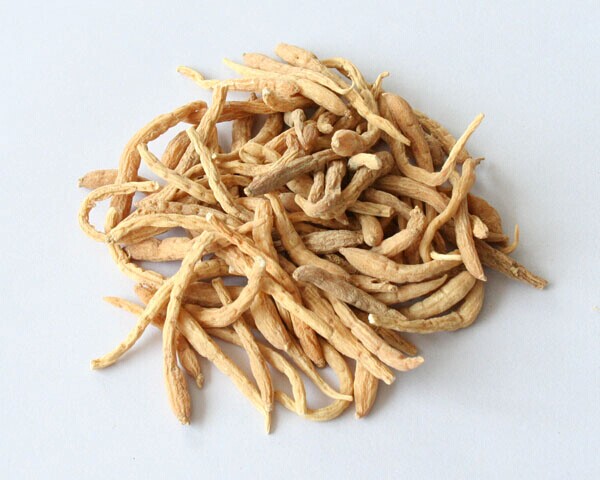
Main indications
Pseudostellaria root can tonify the spleen and lung, boost qi and promote fluid production. It can treat patients with weak spleen and stomach, loss of appetite, dry cough with little phlegm, and more. It is also effective for qi deficiency and fluid damage in the late stage of warm febrile diseases. It also has certain effects on neurasthenia and dizziness with poor memory, and can improve patients' memory.
Used for poor appetite and fatigue due to spleen qi weakness and stomach yin deficiency. It can boost spleen qi and nourish stomach yin. It is often used together with Chinese yam and dendrobium. However, its power to tonify spleen qi is weaker than that of codonopsis root.
Used for dry cough due to lung deficiency and qi deficiency with fluid damage, as well as palpitations, insomnia, and excessive sweating due to deficiency heat. It can boost qi and promote fluid production. To treat cough due to qi deficiency and lung dryness, combine it with coastal glehnia root and dwarf lilyturf tuber; to treat palpitations, insomnia and excessive sweating due to dual deficiency of qi and yin, combine it with spine date seed and Chinese magnoliavine fruit. However, its power to tonify qi, nourish yin and promote fluid production is weaker than that of American ginseng.
It is used very extensively in clinical traditional Chinese medicine. Moreover, compared with other members of the "ginseng family," the greatest advantage of Pseudostellaria root is that its medicinal nature is very mild, and its side effects are ql and d,, so chronically ☆ ill ☆ patients can take it in large amounts over the long term, and the general population can also regard it as a daily mild tonic to take over the long term.
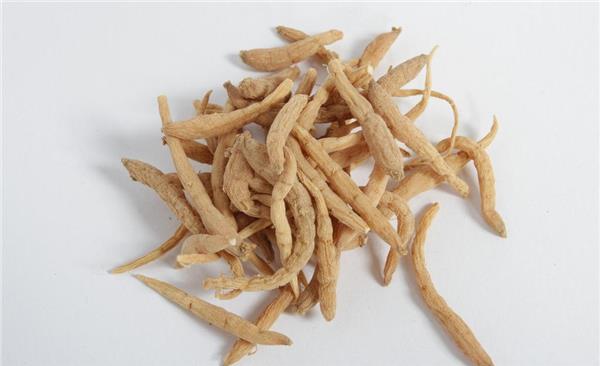
Pseudostellaria root can be used alone or in combination with various medicinal herbs or food ingredients. For example, to achieve better results in promoting fluid production, stopping sweating, clearing heat and tonifying deficiency, you can also add 3-10 grams of dwarf lilyturf tuber, Chinese magnoliavine fruit, or floating wheat, bamboo leaf, etc. But it is best to take it under the guidance of a doctor or pharmacist, and to control the dosage to ensure medication safety. Generally speaking, 10-30 grams is appropriate.
Besides being brewed as tea, Pseudostellaria root can also be added to dishes. For example, take 30 grams of Pseudostellaria root and 50 grams of figs, wash them, soak them briefly, and add them together with 500 grams of washed whole pork lean meat into a clay pot, add about 1500 milliliters of water, then add 5 jujubes and 3 slices of ginger; after bringing to a boil over high heat, switch to low heat and simmer for 2 hours, then season with an appropriate amount of salt.
Benefits of Pseudostellaria root:
Pseudostellaria root has many benefits, and is mainly best for young children.
1. It is often used for weak spleen and stomach, fatigue and lack of strength, loss of appetite, dry cough with little phlegm, weakness after illness, night sweats, night crying from fright, summer fever in children, and more, and has the effect of tonifying qi and promoting fluid production.
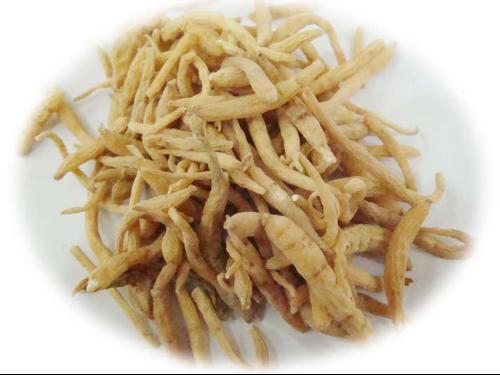
2. Pseudostellaria root can improve immune function and heart function. Regular use of Pseudostellaria root can strengthen a baby's constitution, and no side effects have been observed with long-term use.
3. Compared with ginseng, codonopsis root and American ginseng, which have the effect of tonifying qi and promoting fluid production, the nourishing medicinal power of Pseudostellaria root is somewhat weaker, but its strength lies in its very mild medicinal nature, making it suitable for long-term use in large amounts. Therefore, it is deeply welcomed by people. Pseudostellaria root can be called a rare excellent mild tonic, so it is especially suitable for infants and young children.
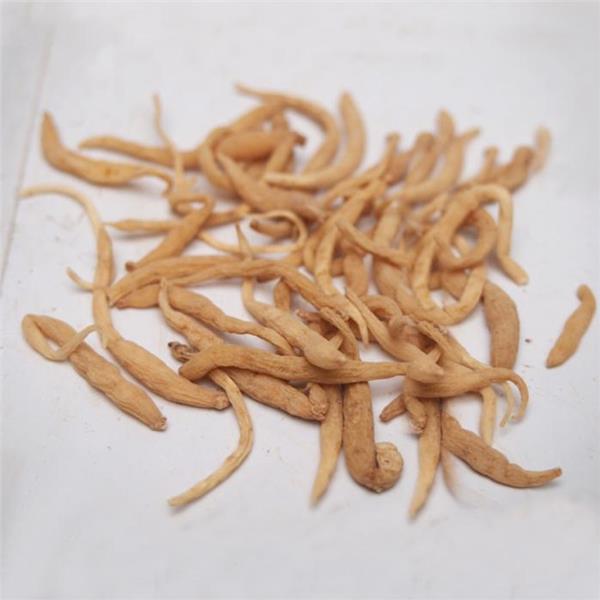
Dietary combinations
1. For symptoms of poor appetite and fatigue due to spleen qi weakness and stomach yin deficiency, it can boost spleen qi and nourish stomach yin. It is often used together with Chinese yam and dendrobium.
2. For symptoms of dry cough due to lung deficiency and qi deficiency with fluid damage, as well as palpitations, insomnia, and excessive sweating due to deficiency heat, it can boost qi and promote fluid production. To treat cough due to qi deficiency and lung dryness, combine it with coastal glehnia root and dwarf lilyturf tuber; to treat palpitations, insomnia and excessive sweating due to dual deficiency of qi and yin, combine it with spine date seed and Chinese magnoliavine fruit.