What to Do If the Christmas Cactus Has Root Rot? Learn the Correct Growing Method
The Christmas Cactus is actually a fairly easy plant to keep alive, but many friends find that it dies from root rot while growing it, and all of this is caused by improper care in daily maintenance, so let's take a look.
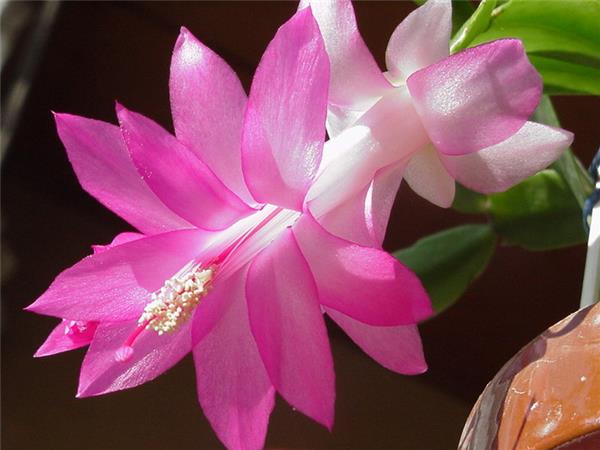
How to Grow the Christmas Cactus
Grafting: Choose a plump pad of cactus as the rootstock; when potting it, set it in so that it stays upright once buried in the soil, water it thoroughly after planting, and under room or greenhouse conditions with guaranteed temperature it will take about 20 days to root, after which grafting can be done. The best time to graft is when the plant enters its dormant period after flowering. The scion is usually large, generally with 4 or 5 branches, so that after being supported as it grows and shaped by hand, it can take form within the same year.
Potting soil: Potted Christmas Cactus requires soil with good drainage and aeration that is also rich in humus.
Fertilizing: Fertilizing the Christmas Cactus is mainly done in the pre-flowering season of September to October and after flowering in spring from April to June. Autumn fertilizing allows its flower buds to differentiate, and after it is brought outdoors in spring it can be fertilized once every half month. Nitrogen, phosphorus and potassium fertilizers should be reasonably combined, with more phosphorus and potassium fertilizer applied normally; especially once the flower buds have formed and are numerous, the amount of fertilizer should be steadily increased to prevent bud drop caused by imbalanced fertilizing or lack of fertilizer.
Watering: Only sprinkle a small amount of water on the leaf surface, just enough to keep the flat stems from dehydrating and wilting; in late autumn add insulation measures, and only when a few stem segments show buds may you water as appropriate. Once the Christmas Cactus has formed flower buds, never water heavily; the amount of water should be kept at about eighty percent of the usual amount, and only after the buds open should the amount be increased. Otherwise, too much water during the bud stage will not only cause bud drop but also cause root rot and even stem segment drop.
Temperature: The most suitable temperature for plant growth is between 20-28 degrees; after autumn it can be moved indoors to a sunny spot for growing, in winter it is best kept at 15 degrees, it can also grow normally at around 10 degrees, while below 5 degrees growth will be poor and it may even suffer cold damage. So on clear days we should let it receive plenty of sunlight. We should also prevent the temperature from fluctuating and the day-night temperature difference from being too large.
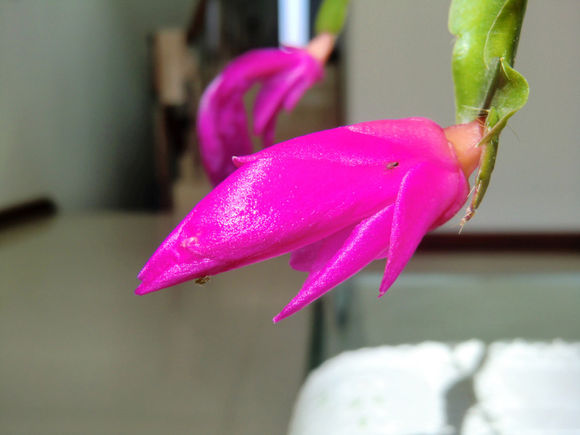
Causes of Root Rot in Christmas Cactus and How to Prevent and Treat It
1. Overwatering: Christmas Cactus root rot is mainly caused by watering too frequently, watering before the soil has dried out, or poor soil drainage; in any case, the water content in the Christmas Cactus soil is too high, causing the roots to suffocate and rot from lack of oxygen. This is especially true when the Christmas Cactus is in a semi-dormant state in summer; if watering is not controlled well, root rot is most likely to occur.
2. Overly concentrated fertilizer: Another common cause of Christmas Cactus root rot is applying fertilizer that is too concentrated, which burns the roots. The Christmas Cactus does not like fertilizer, and especially concentrated or raw fertilizer must not be applied; when applying chemical fertilizer, apply less at a time but more often, otherwise the roots cannot absorb it in time and fertilizer damage will occur.
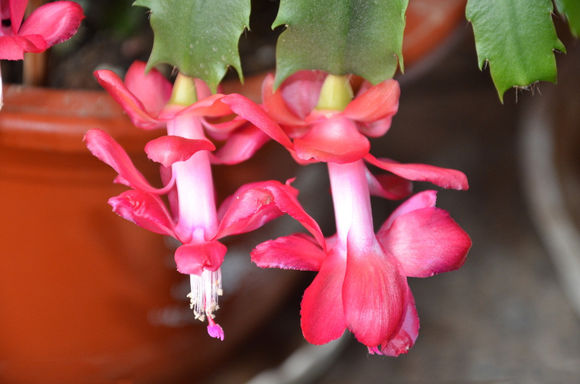
Prevention and treatment methods:
1. Knock the Christmas Cactus out of the pot, cut off the rotten parts, and leave it in a ventilated place for 1~2 days. Replant the Christmas Cactus in a pot filled with yellow sand, place it in a ventilated place where it will not be rained on, do not water it for 3~5 days, and after 10 days new roots will grow again from the base of the Christmas Cactus.
2. If the Christmas Cactus is grafted onto a cactus, use the same method to cut off the rotten parts and simply replant it.
3. If the Christmas Cactus plant is relatively large with many branches and leaves, when using the above method you should prune off some of the branches and leaves to reduce water evaporation, which helps rooting. After the Christmas Cactus roots in autumn, return to normal fertilizer and water management, and by Spring Festival it can still bud or bloom.
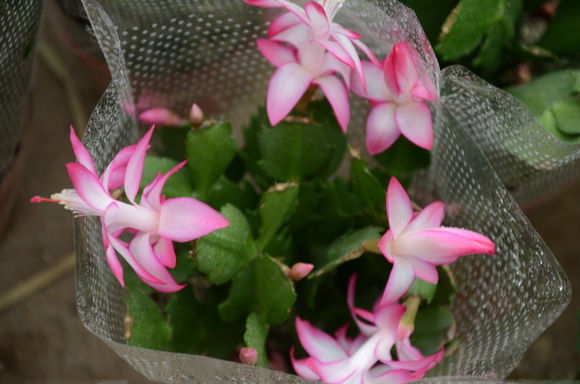
The Christmas Cactus has brilliant flower colors, beautiful flower shapes and bright leaf color; especially when grafted onto plants such as cacti and dragon bones, it can enhance the ornamental value of both, making it very suitable for placing in living rooms, beside the TV, on windowsills and other spots in the home.