-
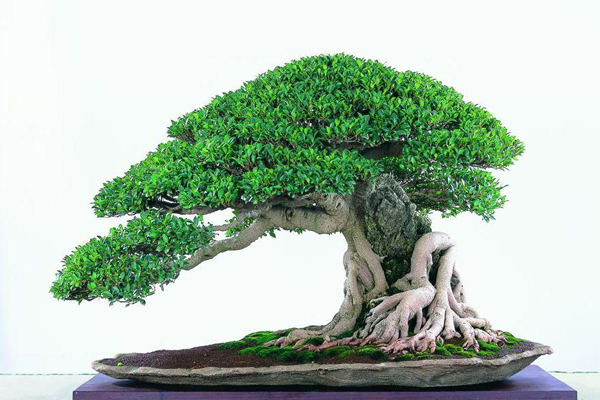
What is the correct method for root grafting on a ficus bonsai?
The beauty of a ficus bonsai lies in its roots, trunk, branches and leaves. If the trunk and branches are already well formed but the roots look thin and lacking in strength, with defects in some parts, too few roots, roots growing off to one side, or roots of uneven size, the overall appearance suffers. In that case, root grafting can be used to make up for it and give the tree a more perfect root system.
-
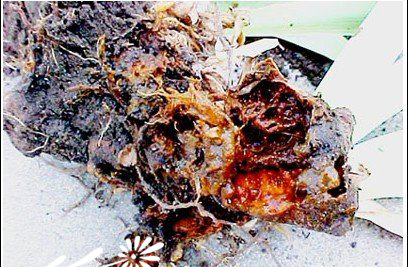
What are the control methods for hyacinth root rot?
It occurs from time to time in hyacinth growing areas, harming hyacinths and other flowers and causing root rot. Symptoms: after the plants are affected, they grow weakly and become stunted, and cannot bloom normally; when the soil is dug open, most or all of the roots on the bulbs can be seen to be rotten. Disease pattern: the pathogen is Fusarium, a fungus. The pathogen overwinters in the residues of diseased plants
-
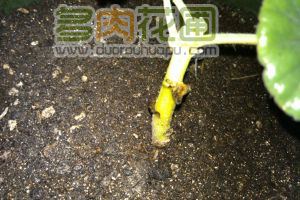
What are the methods to prevent root rot in geraniums?
Geranium, also known as shilabong, renlabong, hydrangea, and foreign hydrangea, is a subshrub or perennial herbaceous plant in the Geraniaceae family and the genus Pelargonium. It is covered all over with fine soft hairs and has a distinctive scent. It is native to southern Africa and is now widely cultivated around the world. It prefers a cool climate, with an optimum temperature of 10-25°C, and can tolerate low temperatures of 0°C.
-

What to Do If Your Clivia Has Root Rot? Here Are the Solutions
What to Do If Your Clivia (Clivia miniata) Has Root Rot: Solutions for Clivia Root Rot
-
What are the uses and benefits of the green plant kudzu root?
The uses and benefits of the green plant kudzu root
-

Morphological Characteristics and Benefits of Kudzu Root Explained
[Kudzu Root]Morphological Characteristics and Benefits of Kudzu Root
-

What are the methods for preventing root rot and bud drop in tree peonies?
What should you do about root rot and bud drop in tree peonies? To prevent root rot and bud drop in tree peonies, the following methods can be used: (1) Water and fertilize at the right time and in the right amounts. Since tree peonies have fleshy roots and are prone to waterlogging, they should not be watered too often, and especially should not be given heavy watering; they are particularly susceptible to standing water, which otherwise easily causes root rot and leaf drop. Proper watering should follow the principle of watering when dry and stopping when moist
-
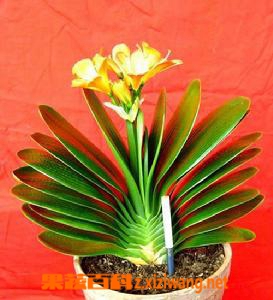
How to Handle Root Rot in Clivia? Teach You the Correct Remedies
How to handle root rot in clivia. Clivia is a fleshy-rooted plant; if environmental conditions are poor or care is improper, root rot is often caused. Generally, during the seedling stage, rot often starts below the leaf base, while mature plants rot from the middle of the root downward. There are many causes of clivia root rot, mainly: ① Improper fertilization
-
How to Deal with Root Rot in Sago Palm? Detailed Analysis of Causes and Treatment Methods
How to deal with root rot in sago palm? A bare-root sago palm was purchased and after 2 months of planting and care, the leaves withered and the roots rotted. Sago palm root rot is mainly caused by the following reasons. First, because the sago palm was bare-rooted and transported from the south to the north without the necessary wind protection and cold protection measures, its root system was severely damaged and could no longer provide water to the plant.
-

What to do about root rot in clivia? A few steps to solve it
What to do about root rot in clivia: a few steps to solve clivia root rot
条件筛选