-
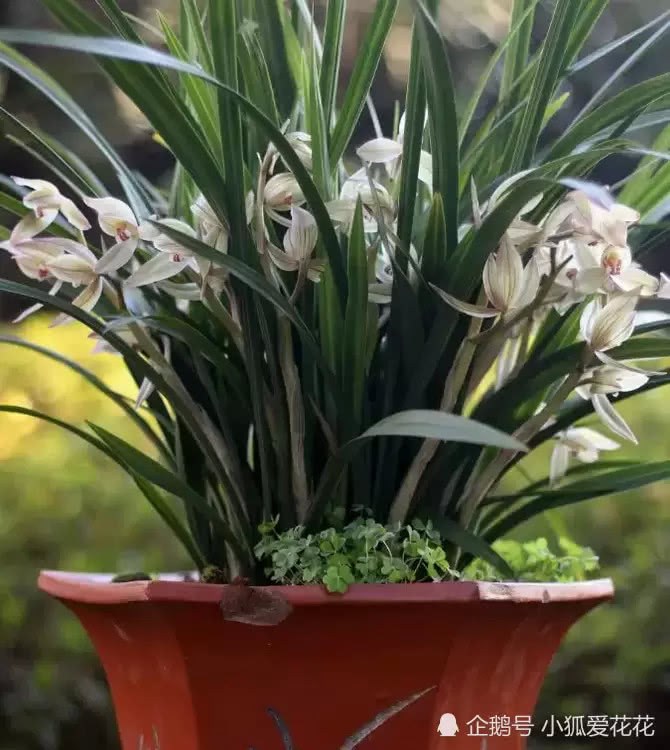
How to care for orchids in early autumn? Avoid these 3 points to prevent rot and root decay
Now that autumn has arrived, it is also the best season for orchid growth. Flower enthusiasts are busy planning to buy orchid seedlings to plant, and after planting them, they are full of expectation, imagining that the orchid seedlings can grow healthily and bloom. But although the orchids do grow, they always...
-
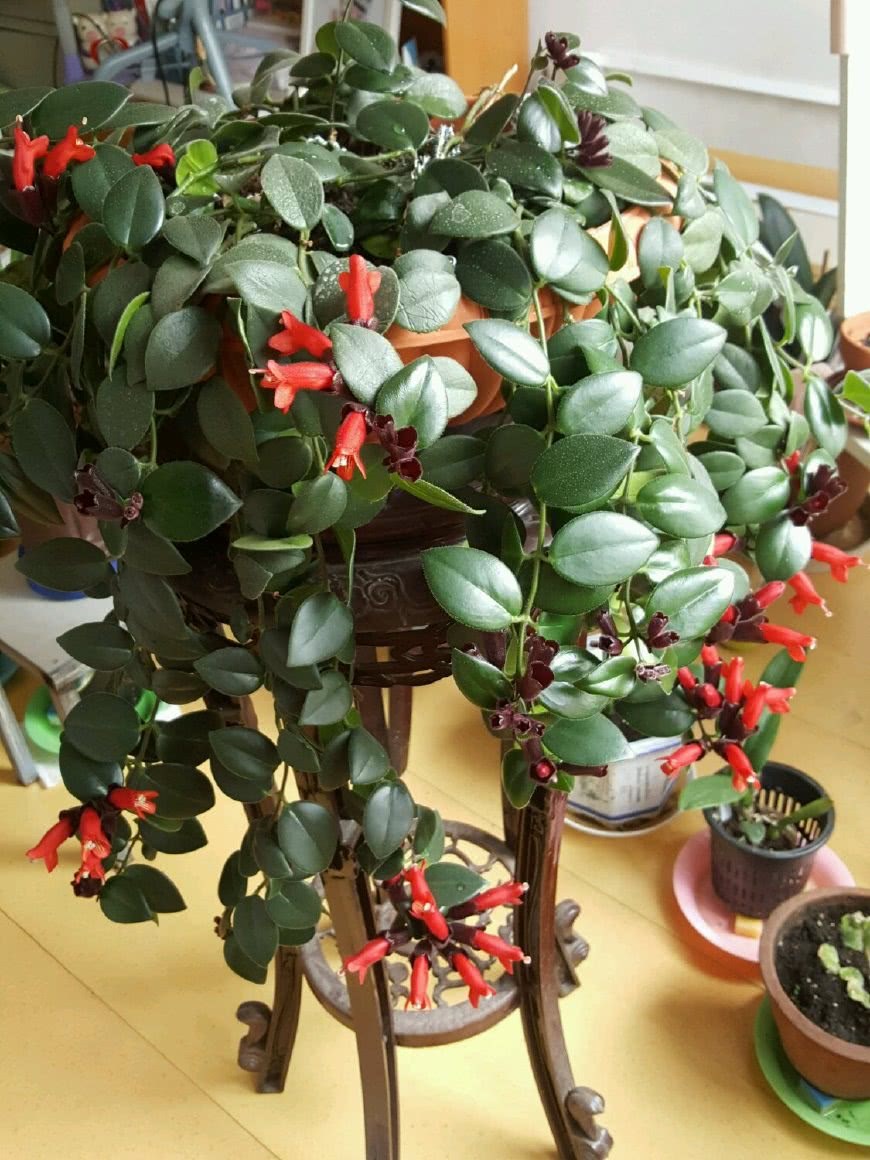
A new type of indoor potted flowering plant that is as easy to grow as pothos, roots from cuttings, stays evergreen all year round, and is beautiful in both flower and leaf
Introduction: Green plants and potted flowers are essential decorative touches for home life. Keeping some flowers and plants at home brings many benefits - it beautifies the home and lifts your mood. "Flower Voice Potted Plant Diary, Issue 1282" introduces you to a new type of indoor plant. Today...
-
How to Treat Bayberry Root Rot? Detailed Explanation of Key Prevention and Control Techniques
1. Mounding soil. In conjunction with deep plowing, carry out one round of fertilizing mud and mounding soil around the tree disk. Use locally available materials such as mountain surface soil, plant ash, river mud, pond mud, etc., generally once every two years, each time raising the soil by about 5 cm, in order to increase the cultivated layer of the bayberry orchard, protect the root system, expand the extension range of the roots, and improve the bayberry root system...
-
What chemical agents should be used to control tomato root-knot nematode disease?
In recent years, the occurrence of tomato root-knot nematode disease has shown an upward trend, especially in dry sandy loam soil where the disease is severe, causing great losses. Root-knot nematodes have a wide range of hosts; besides damaging tomatoes, cucumbers, sweet peppers and others also suffer severely. Root-knot nematodes often overwinter in the soil as eggs or second-stage larvae with galls, root knots, and diseased plant residues...
-
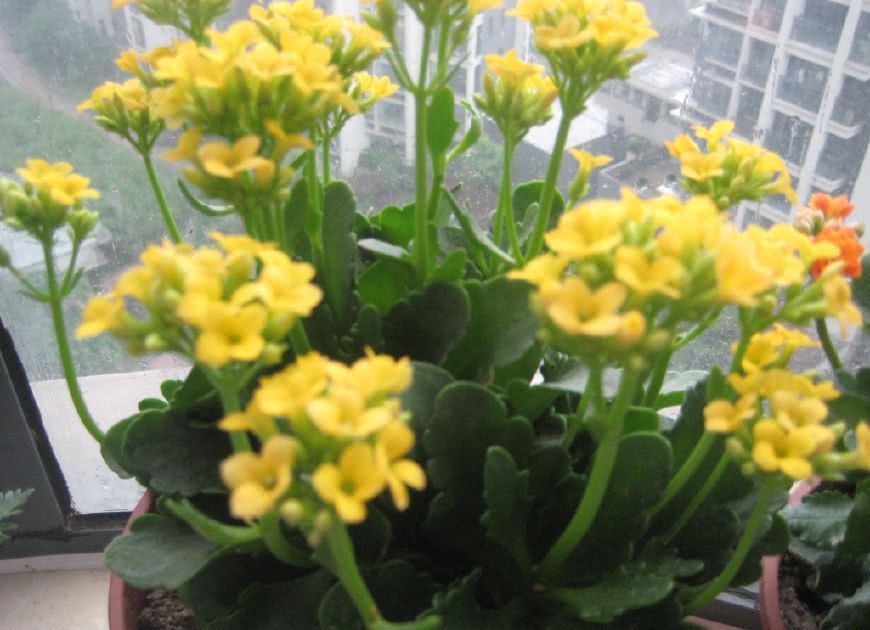
After the autumn chill, water Christmas cactus and kalanchoe with root-strengthening water: leaves turn firm and upright, and blooming starts 30 days earlier
Now that autumn has arrived, the weather is starting to turn cool, with average temperatures dropping to around 20-plus degrees, which feels very comfortable and cool to people. Likewise, indoor potted plants can feel the comfort too, so potted flowers that were dormant in summer are all starting to rec...
-
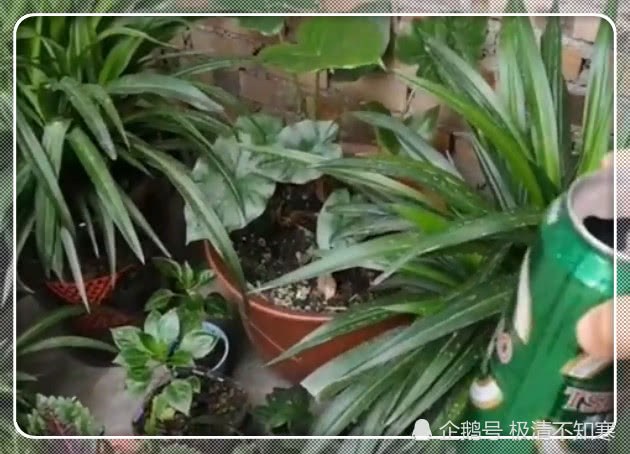
Don't throw away these 3 expired foods when growing flowers - toss them in the pot for green leaves, thick roots and more blooms
Hello everyone, welcome to today's article. Today, the editor will continue to share wonderful content with you. So, let's take a look at today's content together! If you have these three expired foods at home, come and take a look. Don't think...
-
How to control root maggots in autumn cabbage? These methods you need to master
During the growth of autumn cabbage, the most dreaded pest is the root maggot (also called cabbage root maggot). It gnaws at the epidermis of the Chinese cabbage roots, allowing soil-borne pathogens to invade through the wounds, causing the cabbage to drop its outer leaves and rot. This not only reduces cabbage yield but also affects its edible value. If not controlled in time, it can damage the entire field, causing serious losses to vegetable growers...
-
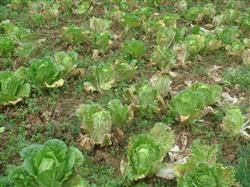
What Fungicide Works Best for Controlling Chinese Cabbage Root Rot
Causes of the Disease: Chinese cabbage downy mildew is a fungal disease that mainly affects the leaves, though the stems and flowers can also be affected. After infection, water-soaked chlorotic spots appear on the upper surface of the leaves, later turning yellowish-brown. As the lesions expand, they are often restricted by the leaf veins and become angular in shape. When the weather is humid, a sparse white mold layer forms on the underside of the leaves, and the disease...
-
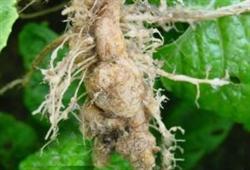
What medication works well to prevent and control clubroot in napa cabbage
Clubroot in napa cabbage refers to the formation of tumors of varying sizes and shapes on the roots of the cabbage; the tumors are smooth in the early stage and become cracked and rough later, and after cracking they are prone to infection by pathogens. Clubroot not only harms cabbage but also harms many crops in the cruciferous family. Clubroot can affect napa cabbage at the seedling stage, and in severe cases the plants die. This disease...
-

Master these 4 stages of fertilizing orchids, and root rot and yellow leaves can all be avoided
Home Gardening Encyclopedia - Teacher Xiao Ye teaches you all kinds of gardening knowledge! Many flower lovers are unclear about how to fertilize orchids. In fact, the best fertilization periods for orchids are spring and autumn, so we should fertilize them according to the patterns of orchid growth. Today...
条件筛选