-
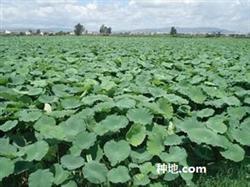
How should lotus root be managed after planting?
How should lotus root be managed after planting? Is there an introduction? Main management points for lotus root in the middle and late stages: 1. Weeding, removing leaves, and removing flowers. Before the lotus leaves close the rows, weed together with fertilizing, pull up the weeds and immediately tuck them into the mud under the lotus root heads as fertilizer. About 1 month after planting, the floating leaves gradually wither and should be removed promptly...
-
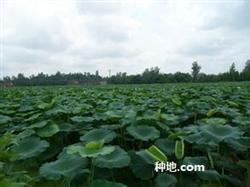
Identification and Control Methods for Common Lotus Root Diseases
What are the common lotus root diseases and how to control them? Asking for advice. Common lotus root diseases are: 1. Lotus root brown spot disease: a common leaf disease of lotus root, producing light brown lesions on the leaves, causing localized drying of the diseased leaves. Control methods: rational close planting to ensure ventilation and light penetration in the lotus field; appropriately increase the application of phosphorus and potassium fertilizers to enhance...
-
What are the disease control methods for lotus root cultivation?
How do you control diseases when growing lotus root? What are the techniques? Lotus root is a high-yield, high-efficiency aquatic economic crop and a vegetable variety commonly eaten by the general public. It is widely cultivated in various regions, and with industrial restructuring in various places, its cultivation area has been continuously expanding. In recent years, lotus root diseases have become increasingly serious and have...
-

Add some material when repotting in autumn for thick, sturdy roots and abundant blooms
Why do other people's plants have such strong roots and never suffer from root rot? Besides the usual careful tending, it also comes down to that loose, breathable soil. Adding a few small things at the bottom of the pot can promote root respiration, letting the roots grow...
-
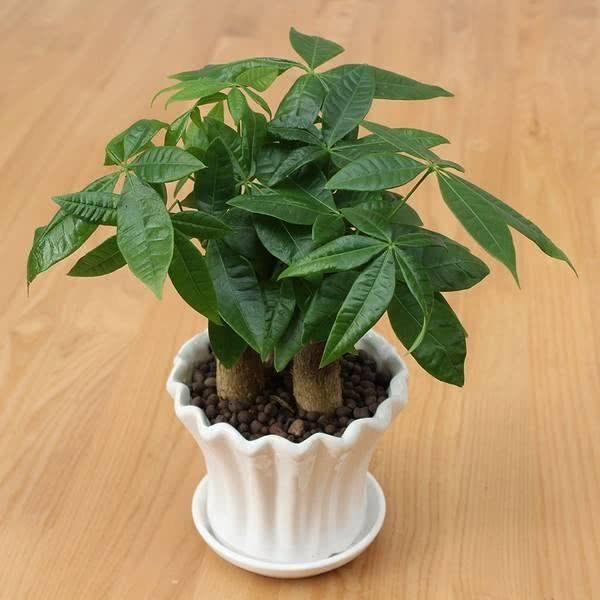
Give your flowers a little power pill, and white roots will fill the pot with ease
Growing flowers is really about growing roots; only when the root system is well cared for can the plant grow better. Because of the limits of the pot, potted flowers at home do not have such abundant nutrients in the soil, so fertilizing becomes especially important. Only with sufficient nutrients can...
-
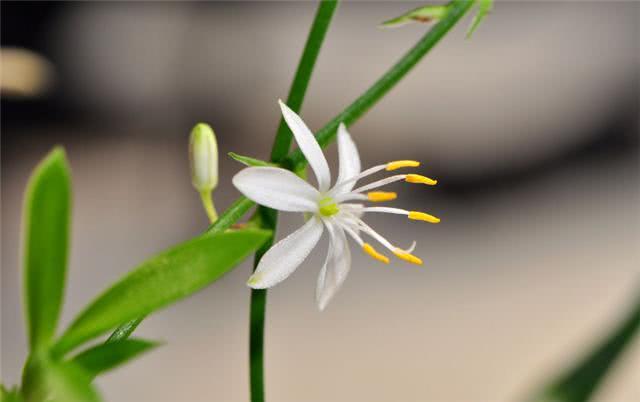
What to do when a spider plant has root rot and yellow leaves? Soak it in this kind of water for 1 hour and it will be eliminated
Spider plant leaves are glossy green, and it has a certain absorbing and inhibiting effect on harmful substances such as formaldehyde and sulfur dioxide, so many flower growers keep it. In fact, after home renovation, you can keep a pot of spider plant, so it can fully absorb...
-
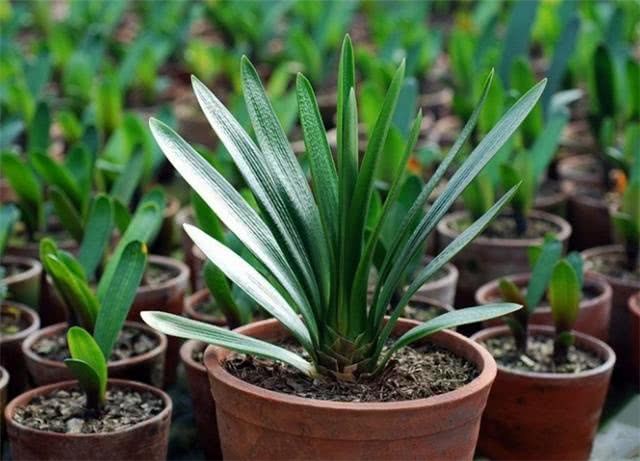
Put a little of this in the clivia pot: it keeps the soil loose and airy, nourishes the roots, and stops the flower stalk from getting stuck.
Many flower lovers know that clivia is not easy to grow. Although it is very beautiful, clivia, as a flowering plant, blooms brightly and elegantly and looks noble in the living room, but caring for it is very complicated, and yellow leaves appear at the slightest provocation...
-
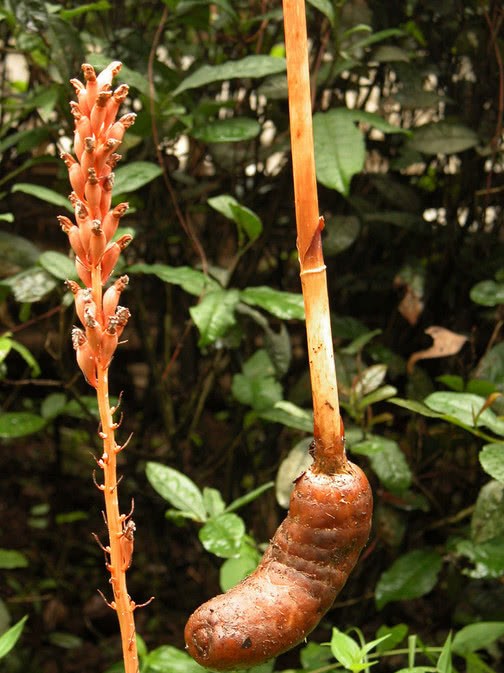
This plant absorbs nutrients through root fungi, has no leaves, and is only visible when it blooms: a golden industry for the lazy
This plant is a saprophytic orchid with no leaves, visible only when it blooms. It is Gastrodia elata (tianma), and its tubers are a famous traditional Chinese medicine that tonifies qi and invigorates blood. It absorbs nutrients through root fungi. Its long flower stalk reaches up to 1 m tall and attracts attention...
-
How to solve red root in kidney beans? Detailed explanation of prevention and control methods
The kidney bean originated in Mexico and the Americas and began spreading around the world from the 17th century. It is also known as the multiflora bean and the large-flowered kidney bean. It has a long history of cultivation, and because of large export volumes, its area has expanded year by year. It is rich in nutrients and high in protein; it is both a vegetable and a food grain, and can also be used for pastries and bean paste, making it an export earner...
-
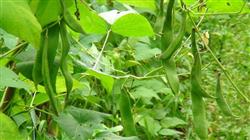
Key Techniques for Controlling Root Rot of Kidney Beans in Protected Cultivation
The suitable planting areas for white kidney beans in Shangri-La County are the mountainous and semi-mountainous areas of five townships along the Jinsha River: Hutiaoxia Town, Jinjiang Town, Shangjiang Township, Wujing Township, Sanba Township and Luoji Township. These areas sit against high mountains, have a beautiful environment, are free from the "three wastes" pollution of industry and mining, and are far from towns and cities. The soil is mostly red-brown earth and oil-sand soil...
条件筛选