-
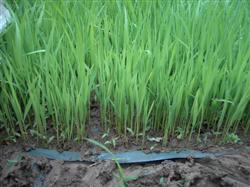
Summary of Key Points for High-Yield Cultivation Techniques of Rice with Dry Nursery and Late Transplanting
Since the rice dry nursery technique was introduced to Luoquan Town in the 1990s, it has gone through stages of trial, demonstration and extension. Through nearly 20 years of production practice and sowing trials on different soils and by different methods, many successful experiences have been gained. Dry nursery technique is now a mature new rice seedling-raising technique in our town. After repeated...
-
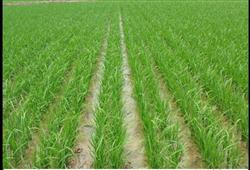
Summary of the Key Points of the Dry-Raised Sparse-Planting Rice Cultivation Technique
Dry-raised sparse-planting rice is one of the agricultural technique measures promoted; the annual rice cultivation area is 9315 mu, and the per-unit yield was low. With the continuous development and progress of science and technology, the yield has increased significantly, and especially since the promotion of wide-narrow row strip planting and dry-raised sparse planting, the results have been even better, and farmers have achieved increased production and income. Dry-raised sparse-planting rice...
-
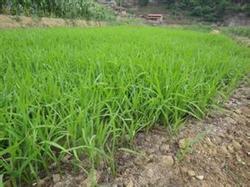
Key Field Management Techniques After Transplanting Dry-Raised Rice Seedlings to the Paddy Field
1. Prepare the field carefully so that the field is level and the soil is puddled, with not even a inch of water exposing the mud. 2. Fertilization principle: apply a heavy basal fertilizer and skillfully apply panicle-grain fertilizer. Apply no less than 1500 kg of farmyard manure per mu. When harrowing the field, apply phosphate and potassium fertilizers plus 70% of the nitrogen fertilizer as a one-time basal application, 20% of the nitrogen fertilizer as tillering fertilizer, and 10% as panicle fertilizer (apply 5-10 days before heading). ...
-
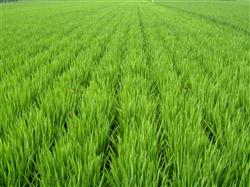
Causes and Control Methods of Rice Deadheart Disease
Key Points of Rice Dry Seedbed Cultivation Technology 1. Apply sufficient base fertilizer: In combination with deep ploughing or leveling the field with irrigation water, apply 30-40 kg of rice-specific compound fertilizer, ammonium bicarbonate and 20-25 kg of ordinary calcium superphosphate per mu, applied all at once as a middle fertilizer. Fields with broad bean as the previous crop should receive a larger amount, while vegetable or potato fields should receive a smaller amount. 2. Transplant shallowly and sparsely at the right time...
-
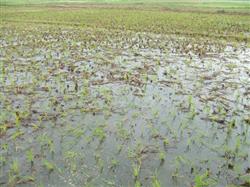
Detailed Explanation of Rice No-Till Dry Direct Seeding Cultivation Technology
(1) Paddy field selection: Select a field where the previous crop was rice and which has not been plowed for no-till dry direct seeding cultivation. Fields with many malignant weeds, heavy clay soil, etc. are not suitable for no-till cultivation. (2) Weed treatment: 4 to 6 days before sowing, choose a sunny or cloudy day with a temperature above 15 degrees, use 10% "Glyphosate" 2 kg + 20% "Gramoxone" 100 ml per mu, diluted in 60 kg of water (four containers of water), and add one tablespoon of laundry detergent to each container of water, then spray to control weeds. If rain occurs within 4 hours after spraying, re-spray, otherwise the weed control effect will be poor.
-
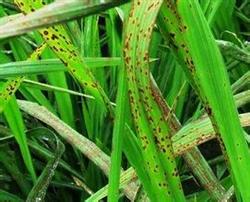
Identifying Zinc Deficiency Symptoms in Rice and Techniques for Skillfully Applying Zinc Fertilizer in Paddy Fields
Zinc is one of the essential trace elements for the growth and development of rice. Zinc deficiency in rice shows obvious symptoms. When rice is deficient in zinc, chlorotic yellow-white spots first appear in the midrib area of the lower leaves, with reddish-brown spots and irregular patches forming on them, which then gradually expand into reddish-brown streaks, turning reddish-brown and drying from the leaf tip downward, and from...
-
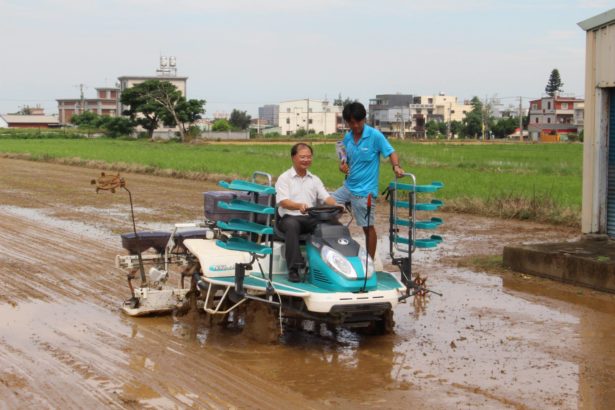
Direct-seeded rice skips the need for seedlings and transplanting, tastes better, and saves 15% water
No more bending over in the fields! Rice can also be direct-seeded, skipping seedlings and transplanting, tasting better and saving 15% water
-
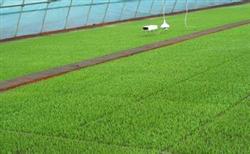
Timely early transplanting of rice helps increase yield
As a supporting seedling-raising method for manual transplanting, the wet seedling-raising technique for rice is suitable for seedling raising across different regions, rice-growing seasons and different types of rice varieties, and is widely adopted in China. This technique is easy to operate, widely applied and highly adaptable; when mastered properly, it produces seedlings of good quality and high yield. 1. Seedbed preparation...
-
Key Technical Points and Operation Methods for Single-Application Fertilization of Rice
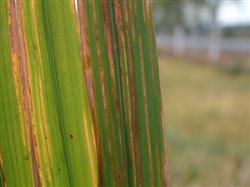
Distribution Rice bacterial leaf streak, commonly known as rice fine streak disease, is one of the important worldwide rice diseases. Its pathogen belongs to the genus Xanthomonas bacteria, and the bacteria mostly invade through leaf stomata; symptoms can appear at any growth stage of rice. The lesions are short and fine narrow streaks, with the stripes appearing between the leaf veins; when viewed against the light...
-
How to prevent and control pests and diseases during the rice seedling-raising period
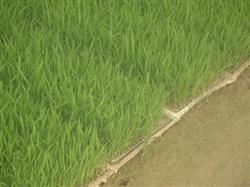
During the rice seedling-raising stage, phenomena such as stunted rooting, yellowing, and stalled growth are prone to occur. For fields where stunted rooting has already occurred, drainage should be carried out immediately to increase temperature and aeration and reduce toxicity, and at the same time quick-acting nitrogen, phosphorus, and potassium fertilizers should be applied, along with supplementary micro-fertilizers, with zinc fertilizer being the key; where deficiency symptoms are present, the corresponding deficient nutrient fertilizer should be applied promptly. Withdraw the water and sun the field, or use circuitous...
条件筛选