Direct-seeded rice skips the need for seedlings and transplanting, tastes better, and saves 15% water
Taiwan, China introduced Japanese direct-seeding technology and machinery. Unlike traditional seedling raising and transplanting, which consume a huge amount of labor, the direct-seeding machine is operated by one person and sows rice seed directly into the field, with quality and yield on par with traditional transplanting. In trials using Taoyuan No. 3 rice, it was even more fragrant and had a chewier, springier texture. In addition, because direct seeding requires land preparation first, it can save 10-15% of water each time.
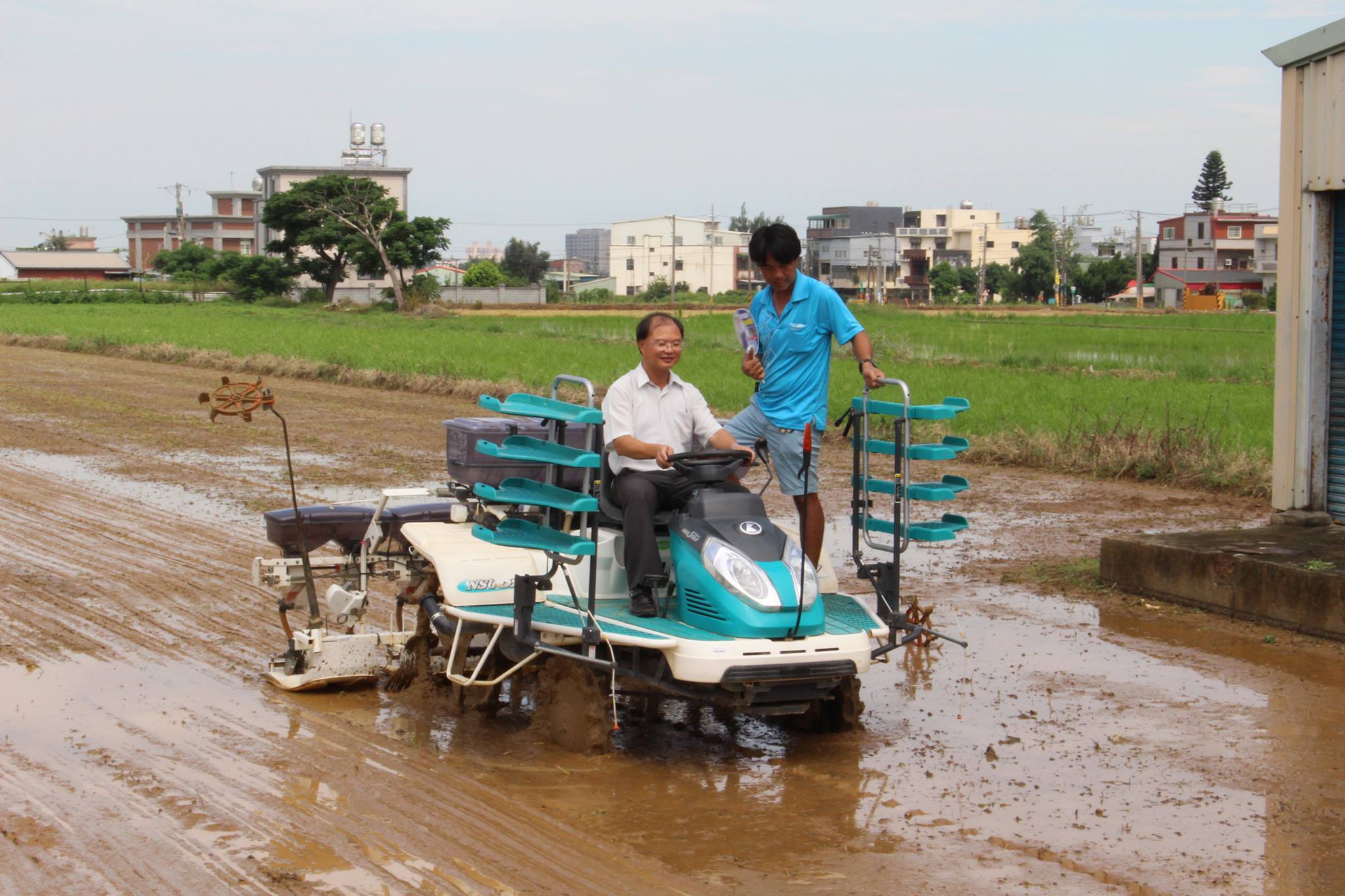
According to current trial results, there is no difference in the appearance or quality of the rice harvested by transplanting versus direct seeding, but in trials with Taoyuan No. 3 rice, the direct-seeded version was much more fragrant. Lai also pointed out that some varieties are not suitable for direct seeding because of lower germination rates; the Taoyuan No. 3, Tainan No. 13, and Taichung No. 192 tested so far have all performed well. However, Tainan No. 11, the most widely planted variety, cannot use this technology, and the Taiwan Agricultural Research Institute is continuing to test other rice varieties.
"Direct-seeding technology is not meant to replace traditional seedling raising; that would be impossible." Lai Ming-hsin stressed that transplanting seedlings is the most stable production model, and introducing direct-seeding technology simply adds another option for different needs. Traditional seedling raising and transplanting already has its own stable rhythm, but farmers must adjust along with climate change. With direct-seeding technology, there is no need to coordinate with a seedling nursery, and adjustments in response to climate change can be made directly in the field.
"Otherwise you would still have to persuade the seedling nursery to supply at other times, and too small a quantity won't work." Moreover, iron powder-coated rice seed can be stored for three to six months, making it easy for farmers to adjust the production period themselves in the field.
Farmers: many problems still need to be overcome
Chang Yao-chung, a rice farmer in Hsinchu and representative of Dadi Ling Agricultural Machinery Company, said that direct-seeded rice still faces many problems and is more threatened by weeds. Farmers must judge from experience how deep to flood the field so that weeds are suppressed without the seeds easily floating up.
In addition, although coating the seeds with iron powder reduces bird feeding and keeps the seeds from floating, "the cost of imported iron powder is almost the same as seedling raising and transplanting." However, Chang also said this is mainly because there is not yet a certain scale domestically, and costs could indeed fall further once large-scale production begins.
Farmers in different areas have reacted differently to this set of technologies, and the Agriculture and Food Agency will also hold demonstration and observation meetings across Taiwan, China, including in Yunlin, Taichung, Tainan, and Hualien.