-
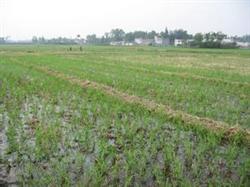
Key Operational Points for No-Till Rice Seedling Broadcasting Cultivation Technology
No-till rice seedling broadcasting refers to a new rice tillage and cultivation technique in which, after harvesting the previous crop, without any plowing or harrowing of the paddy field, herbicide is first applied to kill weed plants and shed-grain seedlings and to wither rice stubble, then the field is irrigated and fertilized for retting, and after the water layer naturally drains or shallow water is released, plastic-tray seedlings or paper-tube seedlings are broadcast-transplanted into the main field...
-
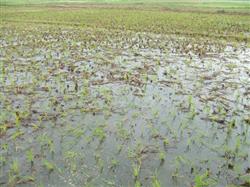
Detailed Explanation of Rice No-Till Dry Direct Seeding Cultivation Technology
(1) Paddy field selection: Select a field where the previous crop was rice and which has not been plowed for no-till dry direct seeding cultivation. Fields with many malignant weeds, heavy clay soil, etc. are not suitable for no-till cultivation. (2) Weed treatment: 4 to 6 days before sowing, choose a sunny or cloudy day with a temperature above 15 degrees, use 10% "Glyphosate" 2 kg + 20% "Gramoxone" 100 ml per mu, diluted in 60 kg of water (four containers of water), and add one tablespoon of laundry detergent to each container of water, then spray to control weeds. If rain occurs within 4 hours after spraying, re-spray, otherwise the weed control effect will be poor.
-
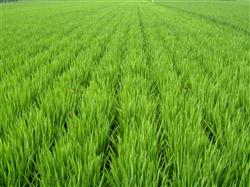
Causes and Control Methods of Rice Deadheart Disease
Key Points of Rice Dry Seedbed Cultivation Technology 1. Apply sufficient base fertilizer: In combination with deep ploughing or leveling the field with irrigation water, apply 30-40 kg of rice-specific compound fertilizer, ammonium bicarbonate and 20-25 kg of ordinary calcium superphosphate per mu, applied all at once as a middle fertilizer. Fields with broad bean as the previous crop should receive a larger amount, while vegetable or potato fields should receive a smaller amount. 2. Transplant shallowly and sparsely at the right time...
-
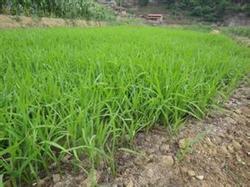
Key Field Management Techniques After Transplanting Dry-Raised Rice Seedlings to the Paddy Field
1. Prepare the field carefully so that the field is level and the soil is puddled, with not even a inch of water exposing the mud. 2. Fertilization principle: apply a heavy basal fertilizer and skillfully apply panicle-grain fertilizer. Apply no less than 1500 kg of farmyard manure per mu. When harrowing the field, apply phosphate and potassium fertilizers plus 70% of the nitrogen fertilizer as a one-time basal application, 20% of the nitrogen fertilizer as tillering fertilizer, and 10% as panicle fertilizer (apply 5-10 days before heading). ...
-
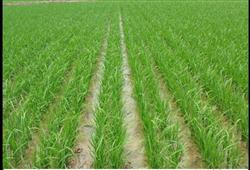
Summary of the Key Points of the Dry-Raised Sparse-Planting Rice Cultivation Technique
Dry-raised sparse-planting rice is one of the agricultural technique measures promoted; the annual rice cultivation area is 9315 mu, and the per-unit yield was low. With the continuous development and progress of science and technology, the yield has increased significantly, and especially since the promotion of wide-narrow row strip planting and dry-raised sparse planting, the results have been even better, and farmers have achieved increased production and income. Dry-raised sparse-planting rice...
-
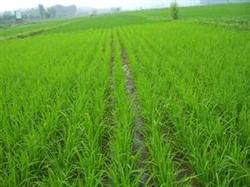
Detailed Explanation of Rice Dry-Raising and Dry-Planting Cultivation Techniques
Dry-raising and dry-planting refers to the practice, when dry-raised early rice seedlings reach the suitable seedling age for throwing and transplanting but the field is dry and lacking water for paddy preparation, of directly spraying herbicide to control weeds, then making holes with a wooden stick or opening furrows with a shovel, and then transplanting the seedlings. Key points of the cultivation technique (1) Paddy field treatment: before planting, spray the paddy field with herbicide to control weeds; options include...
-
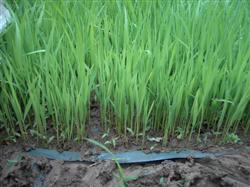
Summary of Key Points for High-Yield Cultivation Techniques of Rice with Dry Nursery and Late Transplanting
Since the rice dry nursery technique was introduced to Luoquan Town in the 1990s, it has gone through stages of trial, demonstration and extension. Through nearly 20 years of production practice and sowing trials on different soils and by different methods, many successful experiences have been gained. Dry nursery technique is now a mature new rice seedling-raising technique in our town. After repeated...
-
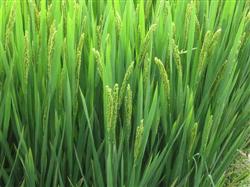
Detailed Explanation of Fertilizer Requirements at Each Growth Stage of Rice
Nitrogen absorption pattern: Rice is very sensitive to nitrogen nutrition and it is the most important factor determining rice quality. Throughout its life, rice maintains a relatively high nitrogen concentration in its tissues, which is a nutritional and physiological trait required for high-yielding rice. Rice has two obvious peaks in nitrogen absorption: one is at the tillering stage, that is, 2 weeks after transplanting...
-
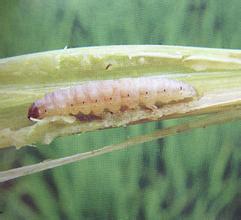
Introduction to Several Control Measures for the Rice Stem Borer
The rice stem borer, also known as the rice stalk borer or heart borer, is one of the major pests harming rice. Its larvae have a diverse diet and also damage corn, sorghum, and other crops. A normal outbreak can reduce yields by 5-10%, and a severe outbreak can reduce yields by more than 30%. Snatching grain from the pest is also an urgent matter. Several control measures are introduced here for reference only. 1....
-
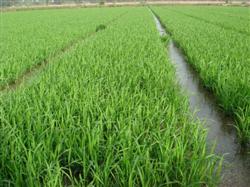
Detailed Explanation of Rice Fertilization Characteristics and Principles
Crop production is influenced by many factors, and fertilization conditions vary endlessly. Understanding crops' fertilizer requirements and fertilization principles allows you to adapt to local conditions, and it is recommended to keep fertilization within a reasonable range. The basic principles include other agricultural measures, intended to help farmers broaden their thinking when analyzing and solving practical problems...
条件筛选