-
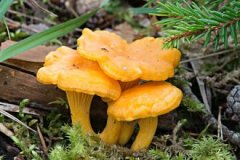
Are chanterelles poisonous? Toxicity level and price per jin explained
What kind of mushroom is the chanterelle? Some people say it is poisonous, so is it actually poisonous or not? It does have a certain level of toxicity, but at the same time it is also an edible mushroom, and people with itchy skin should avoid it. In the wild mushroom trading market, chanterelles currently cost 100 yuan per kilogram
-
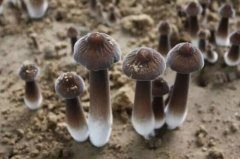
A Detailed Guide to Black-Skin Chicken-Foot Mushroom Cultivation Techniques, Price per Jin, and Investment per Mu
Large-scale artificial cultivation of the black-skin chicken-foot mushroom has low production costs, a short cycle, and high yields, and can meet people's market demand for the black-skin chicken-foot mushroom. So how do you grow the black-skin chicken-foot mushroom? The price of the black-skin chicken-foot mushroom is 35 yuan per jin, and prices vary somewhat from region to region.
-
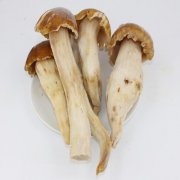
Can chicken-of-the-woods mushroom (Termitomyces) be cultivated artificially? With cultivation techniques and price per jin
Can Termitomyces be cultivated artificially? Yes, it can be cultivated artificially. Termitomyces is an edible mushroom with relatively high nutritional value. So how much does it cost per jin? Let's take a look below at how to cultivate Termitomyces artificially. Step one, culture substrate formula
-
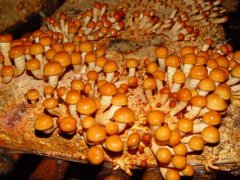
Does Pholiota nameko have to be blanched? Detailed explanation of cultivation techniques and sales prices
Does Pholiota nameko have to be blanched? It is best to do so, as this will make the Pholiota nameko fully cooked through, so there is no food safety risk from eating it undercooked. The sales price of cultivated Pholiota nameko is generally between 6 yuan and 7 yuan. So how is Pholiota nameko cultivated? Would you like to know?
-
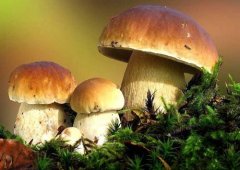
Is the porcini mushroom poisonous? Why does eating porcini cause poisoning, and how much does fresh porcini cost per jin?
Porcini mushrooms are mainly produced in Yunnan, so the price of porcini in Yunnan is somewhat cheaper than porcini from other places; the market price of Yunnan porcini is around 25 to 50 yuan per kilogram. As for the claim that porcini is poisonous, what is your view? If it really is toxic,
-
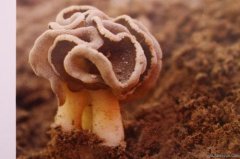
Differences Between Helvella and Morel Mushrooms, Prices and How to Eat Them Explained
How much do Helvella mushrooms cost? Helvella is a very rare type of mushroom, and the price is very high; dried Helvella generally sells on the market for 250 yuan to 500 yuan per jin. Many people mistake Helvella for morel mushrooms, so let's take a look at the differences between them.
-
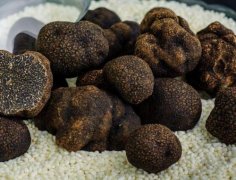
How much does a truffle cost per jin? Plus harvesting precautions and the difference from truffles
Truffle is an underground fungus, a type of mushroom with very high nutritional value. The world's best-quality truffle is the white truffle from Alba, Italy, which once fetched 35,000 USD per kilogram. Next is the truffle from Perigord, France, which costs at least
-
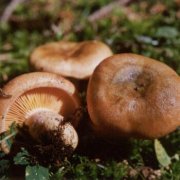
Chongyang mushroom planting methods, price per jin, and detailed explanation of its benefits and nutritional value
Chongyang mushroom is a fungus that currently cannot be cultivated artificially and is a purely natural fungus species. It is very particular about its growing environment, so artificial cultivation is very difficult to achieve, and it may be impossible to grow, which would result in significant losses. How much is Chongyang mushroom per jin? This depends on
-
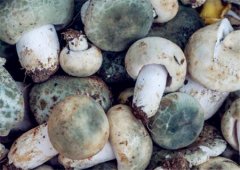
Can Green-headed Russula Be Eaten Raw? A Detailed Guide to Cultivation Methods and Prices
The green-headed russula, like the double ninth mushroom, is a purely wild mushroom species, because the growth of the green-headed russula depends on the nutrients of termite nests and has extremely high environmental requirements, so it cannot yet be cultivated individually. The green-headed russula grows in summer and autumn each year, and generally yields more after rain. Green head
-
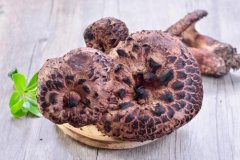
Is the tiger palm mushroom poisonous or bitter? What is the market price per jin?
Do you know the tiger palm mushroom? The nutritional value of this mushroom is extremely high. In our country it is mainly produced in the Chuxiong Yi Autonomous Prefecture and the Lijiang Naxi Autonomous County. This mushroom currently cannot be artificially cultivated, because its growing conditions are very demanding. Every year from August to September it grows deep in the grass on high mountain cliffs.
条件筛选