-
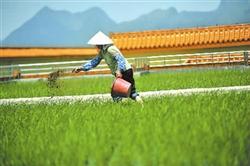
How to fertilize rice at the late stage? Master these technical points
How to fertilize rice at the late stage? Please introduce the method. Late-stage rice cultivation requires skillful fertilizer application. The sowing period for soybean after rice is from late July to early-to-mid August; too early or too late will both affect soybean growth. Specifically, sowing should be done within one week after the rice harvest. The sowing rate depends on the seed size of the variety, plant height, number of branches, soil fertility and fertilizer level.
-
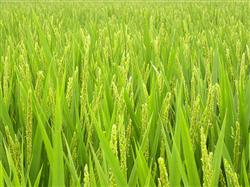
What are the key points of rice late-stage management techniques?
How should rice be managed in the late stage? Please provide an introduction to the management methods. Rice late-stage management can refer to the following methods: 1. Disaster prevention and resistance. The late growth stage of rice is a season with frequent typhoons, rainstorms, abnormally low temperatures, and extreme high temperatures. We must firmly establish the awareness of fighting disasters to secure a bumper harvest, always pay attention to weather information, and for rice fields with incomplete supporting facilities...
-
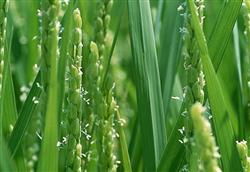
What are the key management considerations for the late stage of rice cultivation?
What should be noted in the late stage of rice cultivation? Please provide an introduction. In the late stage of rice cultivation, attention should be paid to the following aspects: 1. Late-stage water management: Do a good job of field water management to ensure smooth heading and flowering, maintain root vitality, and effectively guarantee smooth grain filling. During the booting and heading stages, keep deep water in the field, but it is not advisable to irrigate deep water for too long at one time...
-
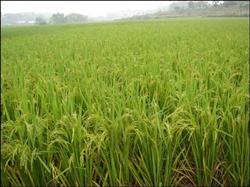
How should pests and diseases be controlled in the late growth stage of rice?
How should pests and diseases in the late stage of rice be controlled? Please provide guidance methods. Pests and diseases cause serious damage in the late stage of rice. The control methods can refer to the following: 1. Sheath blight: The disease has recently been rising faster. In a general survey of each town on September 10, the average rate of diseased hills was 13.7%, and the rate of diseased plants was 3.3%. The disease situation has clearly accelerated compared with the previous period...
-
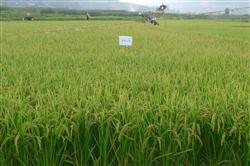
What are the key points for late-stage rice management?
What should be noted in late-stage rice management? Please give an introduction. Late-stage rice management requires attention to the following points: Do not arbitrarily increase the amount of pesticide. Blindly increasing the dosage of chemicals raises the cost of disease and pest control and easily causes crop phytotoxicity. In addition, pesticides must be mixed and used immediately to prevent chemical reactions between pesticides...
-
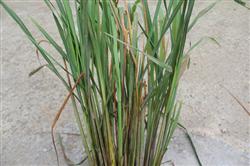
What are the control methods for bacterial leaf streak of rice?
How do you control bacterial leaf streak of rice? Please provide guidance methods. Symptoms of bacterial leaf streak of rice damage: it can occur from the seedling stage to the ear stage of rice. The lesions are yellow, initially yellow, then turning yellow-brown, until completely rotted. If the disease occurs before the heart leaf emerges, it cannot continue to grow upward and dies within the heart, forming a false dead heart, hence it is also called heart rot disease....
-
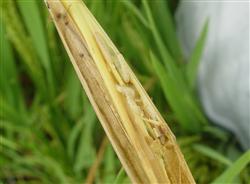
What are the control methods for the rice stem borer (Chilo suppressalis)?
How do you control the rice stem borer? Here are the control methods. The rice stem borer, also known as the stem maggot, can damage rice from the tillering stage to the milk-ripening stage, posing a threat to rice production and affecting both yield and quality. Doing a good job of controlling the rice stem borer is of great significance for promoting high rice yields and increasing farmers' income. The control methods are as follows:...
-
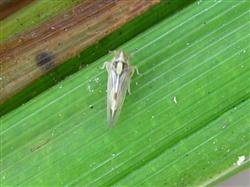
How to control rice planthoppers? A detailed guide to practical methods
How do you control rice planthoppers? Please provide an introduction to control methods. To control rice planthoppers, you can refer to the following methods: 1. Plant at a reasonable density, improve the field microclimate, and increase the rice plant's disease resistance. 2. Fertilize reasonably, control nitrogen fertilizer, increase phosphorus and potassium fertilizer, and apply topdressing skillfully, so that the rice grows and develops early and quickly,...
-
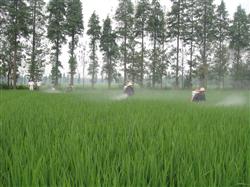
How to apply pesticides around rice heading? Detailed explanation of timing and method key points
How to apply pesticides around rice heading? Please give guidance and introduction. Whether early rice or late rice, around heading is generally the period when multiple diseases and pests occur and cause damage, requiring chemical pesticide control, but applying pesticides during this growth stage can easily cause phytotoxicity and undue losses, which deserves attention....
-
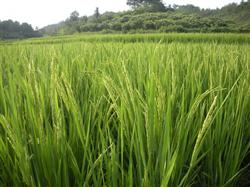
What are the key management techniques for rice during the heading and grain-filling stage?
How to manage rice well during the heading and grain-filling stage? Please provide an introduction to the management methods. The heading and grain-filling stage of rice refers to the period from heading to yellow ripeness. This period is critical for determining grain number and grain weight. The goals of field management are: maintaining roots, protecting leaves, and improving the seed-setting rate and 1000-grain weight. The main field management measures...
条件筛选