-
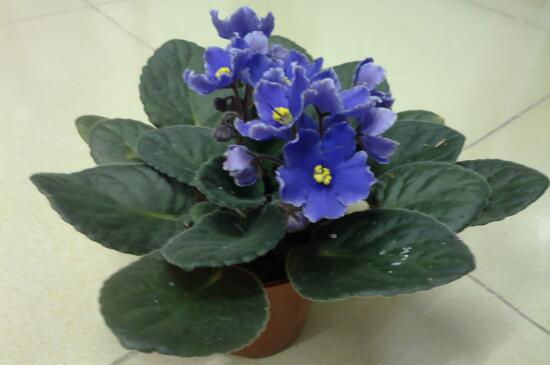
What to Do When African Violets Get Pests or Diseases? 2 Pests and 3 Diseases Prevention and Treatment Methods
As a beautiful flower, the African violet has many benefits. It is not only good-looking, but can also repel mosquitoes and insects, and can beautify the home. However, when grown indoors, because the environment is too poor and care is improper, the plant often gets pests and diseases. So what should be done when African violets get pests?
-
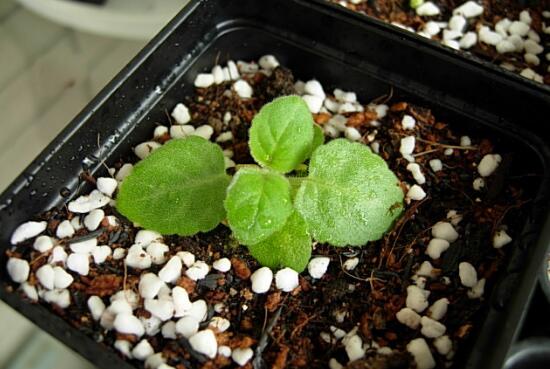
How to propagate African violets? Of the two propagation methods, leaf cuttings have the highest survival rate
The African violet is a beautiful ornamental flower with many varieties and rich, vivid colors. Grown as a potted plant indoors, it purifies the air and beautifies the home. With a plant like this, the more the better, of course, and that requires us to master the propagation methods of the African violet. So how do you propagate an African violet?
-
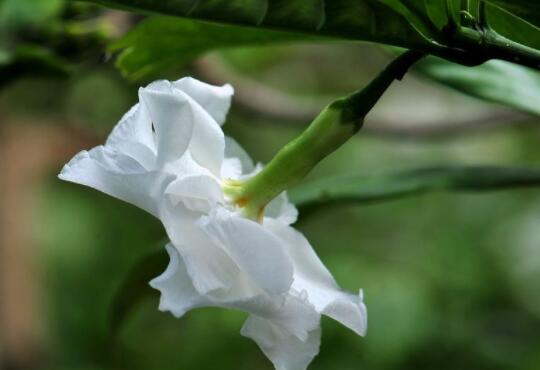
How to propagate Tabernaemontana divaricata? Cuttings give a high survival rate
Tabernaemontana divaricata is a fairly common ornamental flowering plant in people's daily lives, and it can be seen in many parts of our country. As more and more people grow it in various places, questions about its propagation have also drawn concern. How to propagate Tabernaemontana divaricata? What are the propagation methods for Tabernaemontana divaricata
-
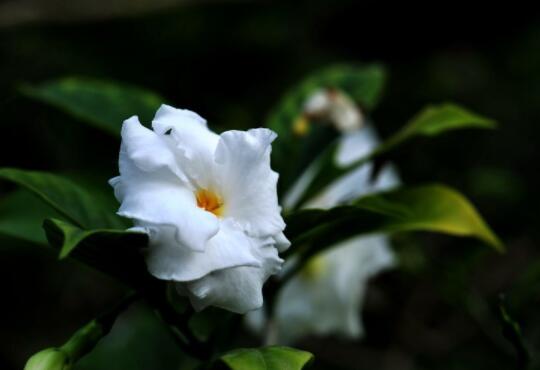
What to do when the leaves of the Tabernaemontana divaricata turn yellow? Just control the temperature, apply light fertilizer, replenish water and light.
Tabernaemontana divaricata is a flowering plant with very high ornamental value, and it can be seen in every province and region in southern China. However, no matter how ornamental a plant is, if its leaves turn yellow, it will also affect its overall beauty. So what should be done when the leaves of Tabernaemontana divaricata turn yellow? Below, the editor will walk everyone through it.
-
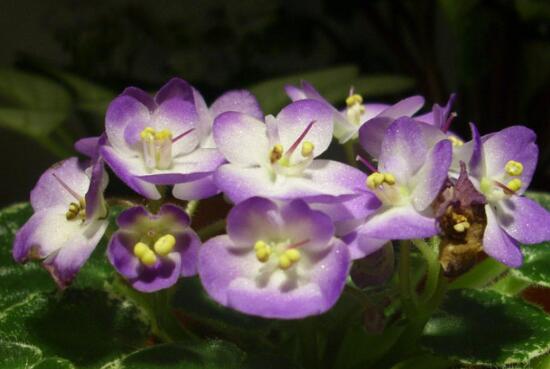
What to Do When African Violets Won't Bloom? Sufficient Light Is Needed for More Flowers
As a common ornamental flower, the beauty of the African violet is beyond doubt. Its leaves are emerald green, and its flowers are rich and vivid in color, making it extremely pleasing to the eye when grown indoors. But as people care for them, many flower lovers find that their plants simply won't bloom. So what should you do when African violets won't bloom? Only with more flowers is their ornamental value higher.
-
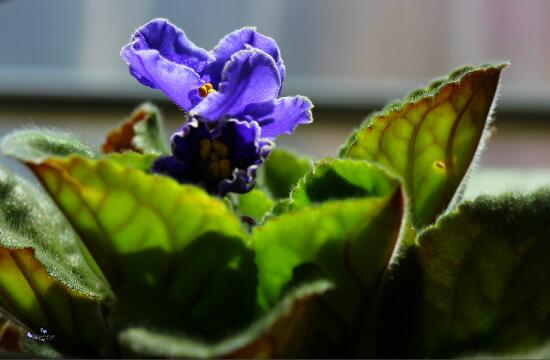
How to grow African violets? Detailed guide to growing methods and precautions
African violets, anyone who has seen them should be deeply impressed. Their flowers are small and delicate, with rich and varied colors, and they are highly ornamental when grown indoors. In daily life, because African violets look beautiful, many people want to grow them, so how do you grow African violets?
-
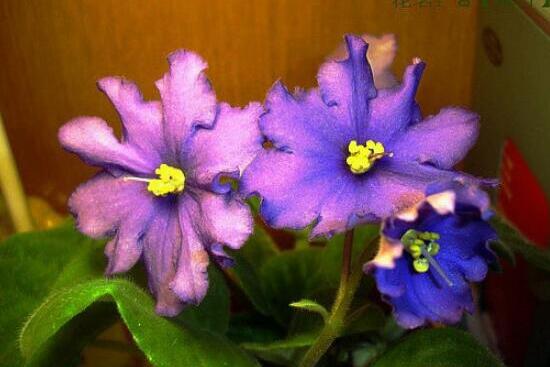
How to fertilize African violets? Light, frequent feeding lets them bloom all year round
African violets are a flowering plant very well suited to indoor growing; they are not only good-looking but also help purify the air and beautify the home. However, to bring out the full benefits of African violets, proper fertilizing is key, as it can keep them blooming all year round! So how do you fertilize African violets?
-

How to grow the African Tulip Tree? Read this and you will understand
1. Sunlight and temperature. The African Tulip Tree is native to Africa and is a sun-loving plant that tolerates drought and high temperatures and is not afraid of strong light. Its suitable growing temperature is between 20 and 30 degrees. It should be noted that when the African Tulip Tree blooms, if the temperature is not high, the number of flowers will be few. 2. Soil. The African Tulip Tree has strong adaptability
-
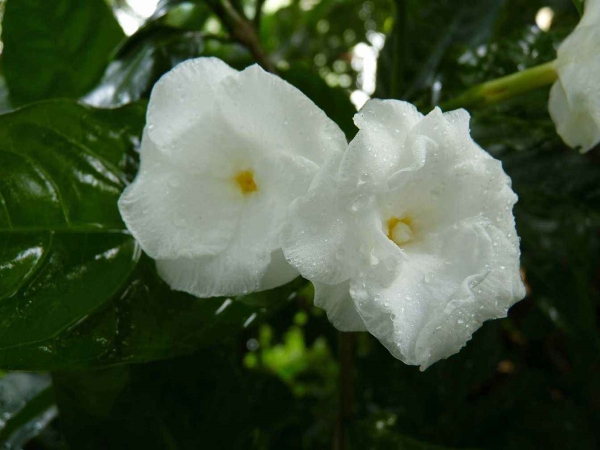
How to grow Tabernaemontana divaricata? These care methods you need to master
Temperature: Tabernaemontana divaricata likes to grow in a hot and humid environment, and it is not cold-tolerant. When the temperature is below 0°C, the plant will die from freezing. So in winter it is best to move it indoors for growing. Fertilizing: Tabernaemontana divaricata has a relatively large demand for nutrients, and we need to fertilize it in time before it blooms.
-
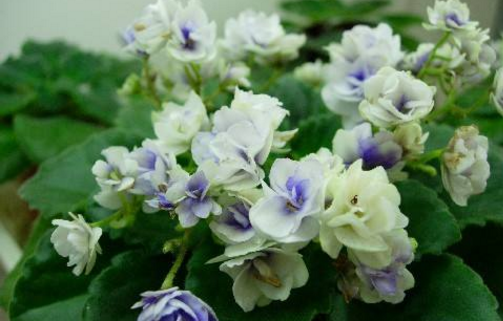
How to grow and care for African violets
Temperature African violets very much like to grow in a warm environment. Their optimal growing temperature is between 16-24°C; from April to October the temperature should be kept between 18-24°C, while from October to April of the following year it should be maintained between 12-16°C. African violets do not like hot weather
条件筛选