-
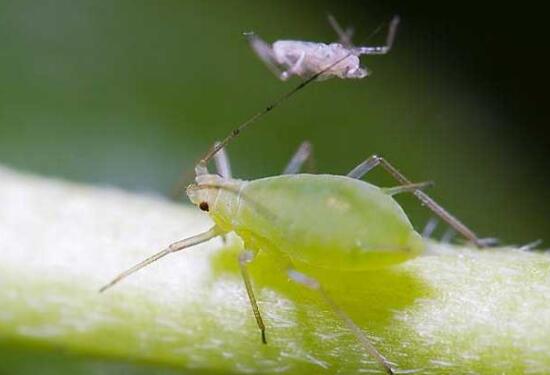
What to Do When African Violets Get Aphids? Common 3 Pests and 4 Diseases and Their Chemical Control
When growing African violets indoors, there are some care techniques and pest and disease control methods everyone needs to master. I won't say much about African violet care techniques here, as I believe everyone has already mastered them. Next, let's talk about pests and diseases, and aphids are the pest most likely to appear on African violets, so what should you do when African violets get aphids?
-
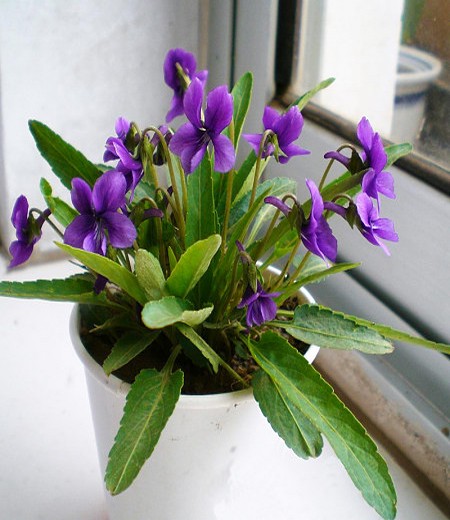
What are the cultivation methods for growing Viola mandshurica (purple-flowered violet) at home?
In spring, there is an inconspicuous little flower on the ground called Viola mandshurica. It is not particular about soil, is extremely adaptable, and easy to propagate. Although it is not as prestigious as the rose, Viola mandshurica has great value. Viola mandshurica blooms early and in a concentrated period; the plant is low-growing, grows neatly, and the clumps are compact.
-
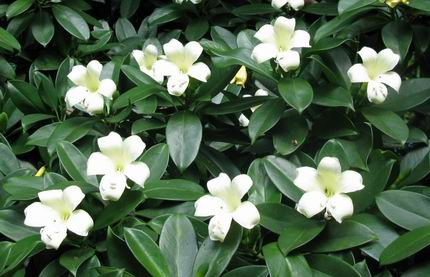
African Jasmine (Madagascar Jasmine) Growing Methods and Precautions, Detailed Explanation of Propagation and Pruning Techniques
African Jasmine is also a kind of jasmine, bearing small white flowers that look somewhat like osmanthus flowers. What are the growing methods and precautions for African Jasmine? How is African Jasmine propagated? Growing methods and precautions for African Jasmine: Soil selection - its greatest requirement for soil is good water drainage
-
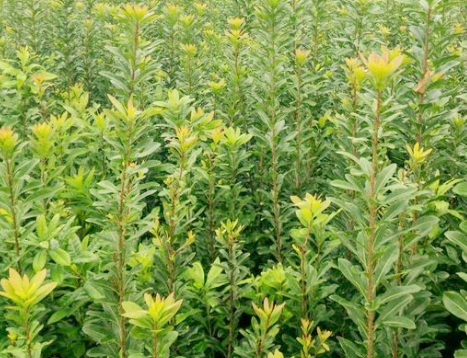
How much does a bayberry (Chinese bayberry, Myrica rubra) sapling cost? Detailed planting methods
Because of its tender and juicy flesh, sweet-and-sour taste and rich nutritional value, the bayberry has a wide range of uses and can be processed into foods such as canned goods, jam and candied fruit, making it very popular with many people and in strong market demand. Many growers also want to plant it, so how much does a bayberry sapling cost? How do you plant it? How much does a bayberry sapling cost?
-
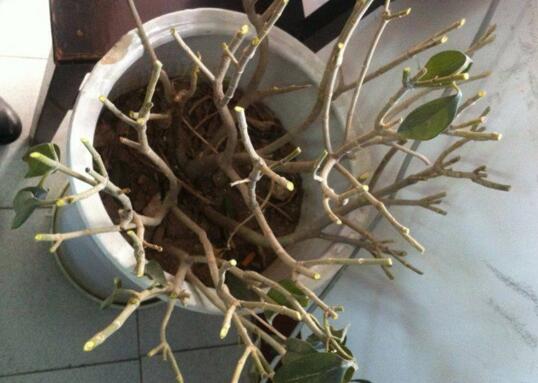
How to prune Chinese Violet (African Jasmine)? Illustrated pruning methods and timing
In terms of growth rate, Chinese Violet (African Jasmine) is not a very fast grower, but if you want to keep it more attractive, pruning is also essential during care. So how should Chinese Violet be pruned appropriately? Let's look at the illustrated pruning methods for Chinese Violet.
-
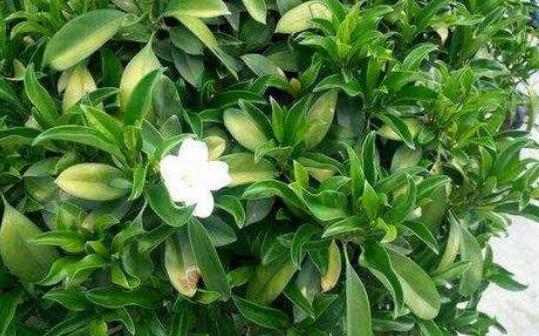
African jasmine (Chinese gloriosa lily, Fagraea ceilanica) cutting propagation method, survival rate can reach 80%
African jasmine is one of the plants very well suited to indoor growing. Its foliage color is beautiful, and its cultivation method is simple and easy to learn, so many flower lovers plan to grow several more pots at home. So how do you propagate African jasmine? Follow along below as we take a look at the propagation methods for African jasmine.
-
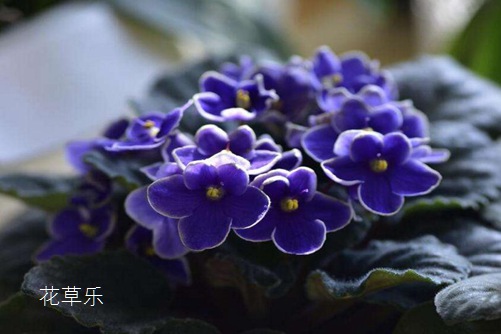
How to Water African Violets? Using the Right Method Is the Secret to Keeping Them Alive
African violet, also called African violet (Saintpaulia), blooms in all four seasons, is small and delicate, and has uniquely colored flowers full of poetic charm. It is a very beloved flower, and growing African violets is also popular in Europe and America. African violets are generally grown at home in pots. In the process of growing African violets, how to water them is the key
-
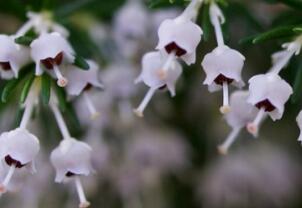
Erica is called the queen of South African endemics, so how do you care for it?
Erica is a flowering plant native to South Africa, and it is deeply loved by people because of its very good looks. Although it does not have the elegance of orchids or the vividness of azaleas, its clusters of flowers gather together like strings of little bells, swaying in the wind and giving off fragrance.
-
Source analysis of the American ginseng planting base of Dongyu Shennong
Origin of the name of Wendeng City After Qin unified China, writing was standardized, cart axles were made uniform, and the differing cart track widths of the Warring States were unified at a width of 6 chi, with the capital Xian...
-
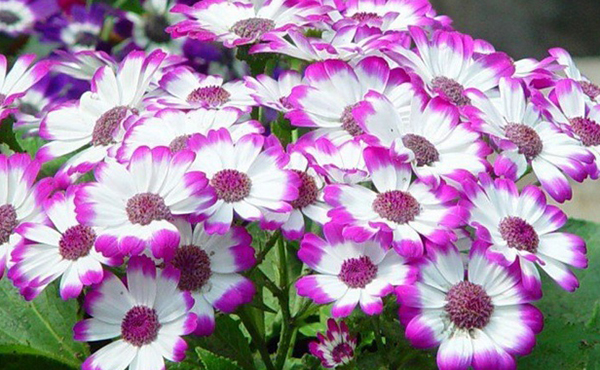
Cineraria (Pericallis × hybrida) Growing Methods and Precautions Explained in Detail
1. Soil: Cineraria prefers sandy loam rich in humus and well-drained; it dislikes drought and fears waterlogging, and prefers neutral to slightly acidic soil. 2. Watering: Cineraria has large, thin leaves and needs sufficient water, but the potting soil must not be too wet; the right level is to keep the leaves from wilting.
条件筛选