How to Water African Violets? Using the Right Method Is the Secret to Keeping Them Alive
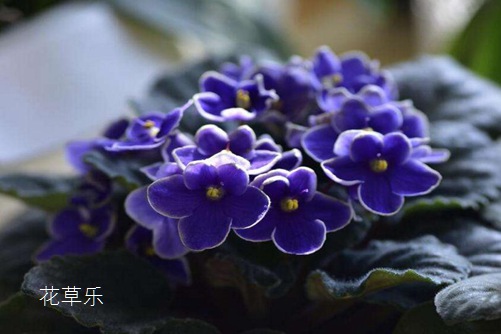
African violet, also called African violet (Saintpaulia), blooms in all four seasons, is small and delicate, and has uniquely colored flowers full of poetic charm. It is a very beloved flower, and growing African violets is also popular in Europe and America. African violets are generally grown at home in pots. In the process of growing African violets, how to water them is the key. Below, the Huacaole editor will give you a detailed introduction to African violet watering methods and precautions.
How to water African violets is the secret to keeping them alive when growing them
I. How to Water African Violets
African violets prefer a warm, humid, and semi-shaded environment. The normal growing temperature is 16-24°C, and in summer they fear strong light and high temperatures. The suitable humidity is 40%-70%; if the potting soil is too wet, the roots easily rot. In summer, high temperatures require shading, and in winter, sufficient sunlight is needed for continuous blooming.
1. Watering amount
African violet is a plant that tolerates moisture relatively well. The daily watering principle is “water when dry.” Under normal conditions, water once every half month. Too wet easily breeds bacteria and causes rot, while too dry easily attracts pests. When watering, avoid splashing water droplets onto the leaves.
2. Watering time
Try to keep the water temperature close to that of the plant. In spring and autumn, water in the morning; in summer, water in the early morning or evening; in winter, watering at noon is more suitable. In winter, the temperature is low and the plant is in a dormant period, so water needs to be controlled.
3. How to water
When the potting soil turns pale or has cracks, or when tapping the pot produces a hollow sound, it means the soil is relatively dry and it is time to water; when the potting soil feels moist to the touch or tapping the pot produces a dull sound, it means the potting soil is moist and does not need watering. If too much water is given or water accumulates, it very easily causes root rot.
II. Precautions for Watering African Violets
1. African violets like a growing environment with relatively high humidity. When the air is dry and the temperature is high, they need frequent misting on the leaf surfaces and around them to promote faster growth, and good ventilation conditions are also needed.
2. Each watering should be thorough, preferably with excess water flowing out from the bottom of the pot. Under general room-temperature conditions, the watering interval for African violets is about 3-7 days. There are three watering methods: misting, irrigation, and bottom-watering by absorption. Misting can also help clean dust and accumulated salts from the plant; pay attention to the water temperature to avoid water damage. The advantage of using a long-spout pot for irrigation is that it will not cause water-damage spots. The last method, bottom-watering by absorption, specifically means pouring water into a bottom reservoir, using capillary action to draw water into the medium, waiting a few minutes for the medium to become saturated with water, and then pouring off the excess water.
Summary
The above is an introduction to how to water African violets, along with watering precautions. Is it helpful for growing African violets well? If you have not seen African violets yet, you can first enjoy some African violet pictures.