Cineraria (Pericallis × hybrida) Growing Methods and Precautions Explained in Detail
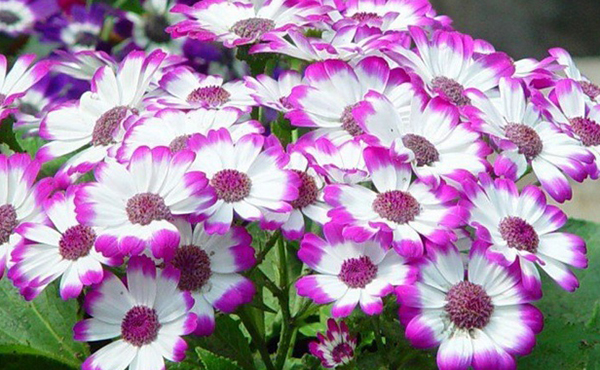
1. Soil:
Cineraria prefers sandy loam rich in humus and well-drained; it dislikes drought and fears waterlogging, and prefers neutral to slightly acidic soil.
2. Watering:
Cineraria has large, thin leaves and needs sufficient water, but the potting soil must not be too wet; the right level is to keep the leaves from wilting. Normally, water according to how dry or wet the potting soil is; water again after it dries, about once every 2-3 days. You can spray the leaves with clean water once a day, and twice a day in hot weather, to lower the temperature and increase air humidity. After flower buds appear, watering should be controlled as much as possible. During the flowering period, place the pot in a cool environment of 8-12°C, which can extend the flowering period to 30-40 days.
3. Sunlight:
Cineraria likes sunlight during the growing period and should not be shaded. Rotate the pot regularly so that the branches and leaves receive light evenly and the plant shape stays upright rather than leaning. After the flowers fade, the plant still needs moderate light to support seed development.
4. Temperature:
Cineraria likes warmth but cannot tolerate high temperatures, and grows best at 15-20°C. When the temperature is above 2l°C, leggy growth can occur, which is unfavorable for flower bud formation. When the temperature is below 5°C, the plant stops growing and developing, and below 0°C frost damage occurs; the suitable temperature for flowering is 10-15°C, below 6°C the buds cannot open, and above 18°C the flower stems grow thin and long, affecting ornamental value.
5. Fertilizing:
In addition to applying base fertilizer at planting time, Cineraria should be given a thin cake fertilizer top dressing once every 7-10 days during growth, or diluted chemical fertilizer can be used. After flower buds appear, 1-2 additional applications of 1000-fold monopotassium phosphate solution can be given, and fertilizing continues until flowering (stop during the rainy season). If fertilizer contaminates the leaves while applying, rinse them promptly.
6. Pests:
The common pests and diseases of Cineraria are aphids and red spider mites. For severe infestations of aphids and red spider mites, spray with a 2000-fold dimethoate dilution. Because red spider mites generally occur on the underside of leaves, while aphids generally occur on the tender tops of Cineraria, when spraying, focus on the underside of the leaves and the top of the plant, and also spray the upper surface of the leaves appropriately.
How to Grow Cineraria: Growing Methods and Precautions
Many people are surely familiar with Cineraria. It is now distributed in most parts of our country and is a relatively common flower. Many people buy it to grow because of its high ornamental value, but before growing it, what everyone is surely most concerned about is its cultivation techniques.
How to Grow Cineraria
1. Propagation. Sowing can be used; sow in July-August, provide a temperature of 20-25°C, and after about 10-20 days sprouts gradually emerge, then repot.
2. Soil. It can be made by mixing ordinary leaf mold and marl with a small amount of sandy soil and a little base fertilizer, keeping it loose and not waterlogged.
3. Temperature. Prevent excessive heat during hot periods; keep it at 10-20°C as much as possible. Its seedlings can survive at a room temperature of 1°C. During flowering, take appropriate cooling measures to extend the flowering time.
4. Light. During vigorous growth, it should receive full sunlight, with moisture and warmth retained. Once it blooms, it can be placed indoors; make sure it receives 4 hours of sunlight from the other three directions besides the north window, and constantly change the plant's orientation so it grows evenly.
Cineraria Growing Methods
1. Light and temperature. It needs sunlight while growing and should not be shaded; the best temperature is 15 to 20°C. If it is above 20°C, it may grow leggy; if it is below 5°C, it will stop growing; below 0°C, frost damage is very likely. Although it likes warmth, it cannot tolerate high temperatures. Turn its pot from time to time to prevent uneven light, so that the plant shape stays upright. After the flowers fade, it still needs some light for the seeds to develop.
2. Fertilizing. It should be given cake fertilizer once every 7-10 days, in a thin dose; chemical fertilizer can also be used. Once flower buds have formed, monopotassium phosphate can be added, and this continues until flowers grow, then stops.
3. Watering. Its leaves are large and thin and need enough water, but it must not be too wet; it is enough for the leaves to maintain normal growth. Normally, water after the soil dries, about once every two or three days; you can also spray the leaves, and in high temperatures you can increase the watering frequency.
4. Diseases. The plant is susceptible to red spider mites and aphids, so environmental conditions should be well controlled, diseased branches should be found early and removed immediately, and a small amount of pesticide can also be sprayed. If the disease is severe, focus on spraying a 2000-fold dimethoate dilution on the underside of the leaves and the top of the Cineraria; in addition, spray other parts as well.
5. Pests. The common pests and diseases of Cineraria are aphids and red spider mites. For severe infestations of aphids and red spider mites, spray with a 2000-fold dimethoate dilution. Because red spider mites generally occur on the underside of leaves, while aphids generally occur on the tender tops of Cineraria, when spraying, focus on the underside of the leaves and the top of the plant, and also spray the upper surface of the leaves appropriately.
Precautions for Cineraria
When adding fertilizer, do not sprinkle it directly on the leaves; if they get contaminated, wash them. Do not fertilize during the flowering period. During growth, place it in an area with good light; after it blooms, it can be placed indoors for viewing, but it must receive at least 4 hours of light every day for the flowers to be more vivid.
What to Do If Cineraria Leaves Wilt
1. Water problem. Solution: Therefore, control the amount of watering well; do not let the potting soil become too dry or waterlogged, so as not to affect normal leaf growth.
2. Temperature problem. Solution: Be sure to control the temperature well. In spring, summer and autumn, place it in a cool, ventilated place for care, and pay attention to shading in summer.
3. Light problem. Solution: It is best to have 8 hours of sunlight per day, and place it in a well-ventilated place with scattered light for care. In winter, with many rainy and snowy days, even more care should be taken to prevent insufficient light.
4. Fertilizer problem. Solution: Adjust the amount of fertilizer applied; usually a thin fertilizer can be applied once every two weeks, mainly phosphorus and potassium fertilizer, with a small amount of nitrogen fertilizer added.
When growing Cineraria, you must first understand its growth habits, and then start growing it. When growing it, be sure to control temperature and light; in summer high temperatures, protective measures must be taken so as not to affect growth. In the later stages of cultivation, water and fertilizer control needs to be strengthened to avoid causing leaf wilting.
Cineraria Growing Methods and 4 Precautions
Cineraria Growing Methods 1. Soil RequirementsCineraria prefers sandy loam rich in humus and well-drained; it dislikes drought and fears waterlogging, and prefers neutral to slightly acidic soil. For planting Cineraria, the potting soil can be mixed from 4 parts garden soil, 2 parts leaf mold, 2 parts compost soil and 2 parts river sand, with cake fertilizer and superphosphate base fertilizer added.
2. Sunlight ExposureCineraria is a short-day, light-loving flower. Sufficient light conditions can not only make the plant crown neat and compact with abundant flowers and lush leaves, but also enhance disease resistance and reduce the occurrence of pests and diseases. Insufficient light will make the flower stems grow thin and long, and the flower color pale and off, affecting appearance.
3. Watering Amount ControlCineraria has large, thin leaves and needs sufficient water, but the potting soil must not be too wet; the right level is to keep the leaves from wilting. Normally, water according to how dry or wet the potting soil is; water again after it dries, about once every 2-3 days. You can spray the leaves with clean water once a day, and twice a day in hot weather, to lower the temperature and increase air humidity.
4. Environmental Temperature ControlCineraria likes warmth but cannot tolerate high temperatures, and grows best at 15-20°C. When the temperature is above 2l°C, leggy growth can occur, which is unfavorable for flower bud formation. When the temperature is below 5°C, the plant stops growing and developing, and below 0°C frost damage occurs. The suitable temperature for flowering is 10-15°C, below 6°C the buds cannot open, and above 18°C the flower stems grow thin and long, affecting ornamental value.
5. Sufficient Fertilizing to Supplement NutrientsIn addition to applying base fertilizer at planting time, Cineraria should be given a thin cake fertilizer top dressing once every 7-10 days during growth, or diluted chemical fertilizer can be used. After flower buds appear, 1-2 additional applications of 1000-fold monopotassium phosphate solution can be given, and fertilizing continues until flowering.
6. Pest and Disease ControlThe common pests and diseases of Cineraria are aphids and red spider mites. For severe infestations of aphids and red spider mites, spray with a 2000-fold dimethoate dilution.
Cineraria Growing Precautions 1. Fertilizing PrecautionsWhen fertilizing, be careful not to pour or sprinkle fertilizer directly on the leaves. If the leaves are contaminated, rinse them promptly, and stop fertilizing during the flowering period.
2. Sufficient Sunlight During the Growing PeriodDuring the growing period, place it in a greenhouse with good light for growth. After flowering, move it indoors for appreciation. Every day it should be placed at least in front of bright south, west and east windows to receive 4 hours of light, so as to keep the flower color vivid and the plant robust.
3. Avoid Direct Sun ExposureCineraria relatively prefers climate conditions with warm winters and summers without extreme heat. It dislikes dry air and direct sun exposure, and also needs good light.
4. Pesticide Spraying PrecautionsWhen spraying pesticide on Cineraria, because red spider mites generally occur on the underside of leaves, while aphids generally occur on the tender tops of Cineraria, when spraying, focus on the underside of the leaves and the top of the plant, and also spray the upper surface of the leaves appropriately.