-
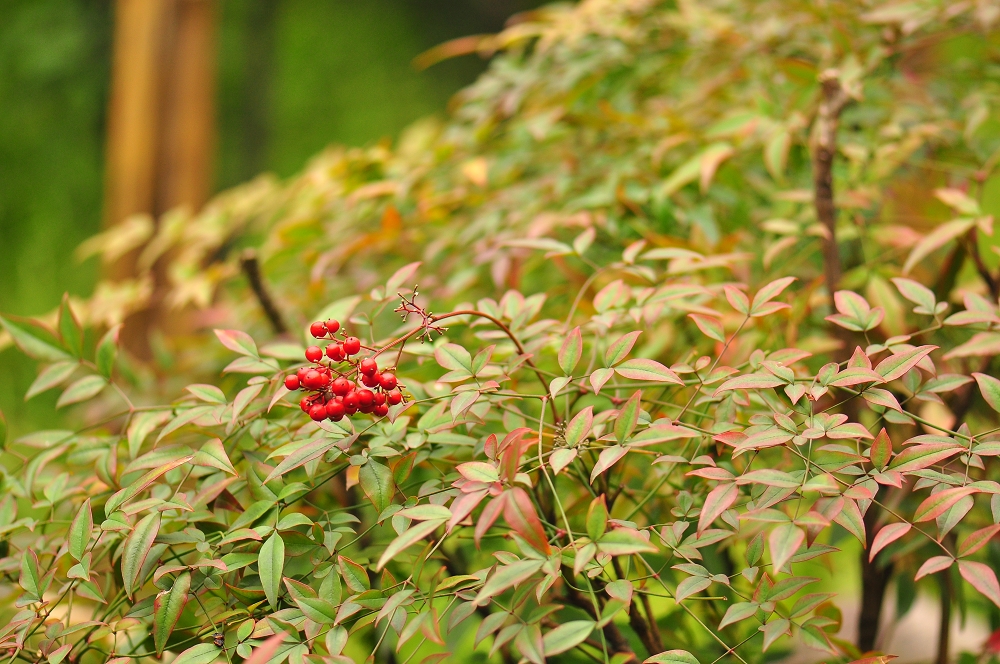
Nandina propagation methods illustrated, easy to understand at a glance
Nandina (Nandina domestica) likes a warm and humid environment, is relatively shade-tolerant and cold-tolerant, easy to care for, prefers fertile sandy loam with good drainage, and is not very strict about water requirements, tolerating both moisture and drought. Several propagation techniques for nandina are introduced below: 1. Division method: In spring and autumn, dig out the clustered plants, shake off the old soil
-
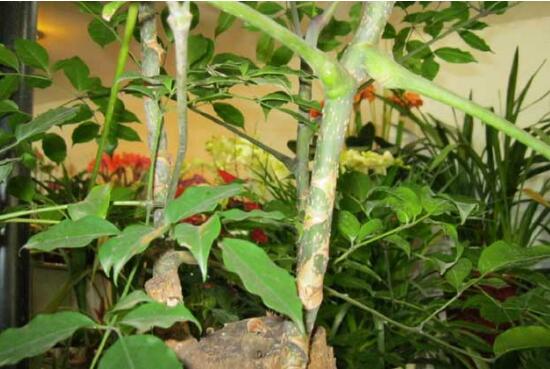
How to prune a Radermachera sinica? Pinching and heading back are very important, with illustrated guide
Radermachera sinica, an ornamental plant with an auspicious meaning, grows very quickly and will become very lush if you are not careful. To keep the Radermachera sinica looking beautiful, like a person's hair, we need to prune it properly. So how do you prune a Radermachera sinica? So that everyone can grow a beautiful Radermachera sinica
-

What to Do When Camellia Gets Anthracnose? Illustrated Guide to Prevention and Control Methods
Symptoms and pathological changes of camellia anthracnose: Camellia anthracnose mainly affects the leaves. Diseased leaves have round or irregular brown to grayish-brown spots, with darker edges or yellow halos; some spots are grayish-white, and the leaf spots are sunken or have dark edges. On the spots, concentric-ringed or scattered small black dots appear.
-
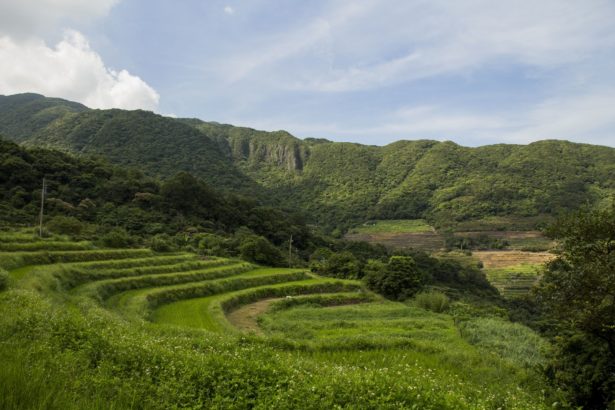
Taipei Grass Frog and the Gentle Farmer's Way: Moderate Disturbance Is Just Right
Moderate Disturbance Is Just Right: A Gentle Farmer's Way for the Taipei Grass Frog
-

Dianthus flower cultivation methods and precautions, watering must be moderate
Dianthus flower, also known as Luoyang flower, is a flowering plant with a great many varieties, and basically every variety is grown by someone in our country, but there are many points to note when growing this flower. How do you grow potted Dianthus flower? What are the cultivation methods and precautions for Dianthus flower?
-
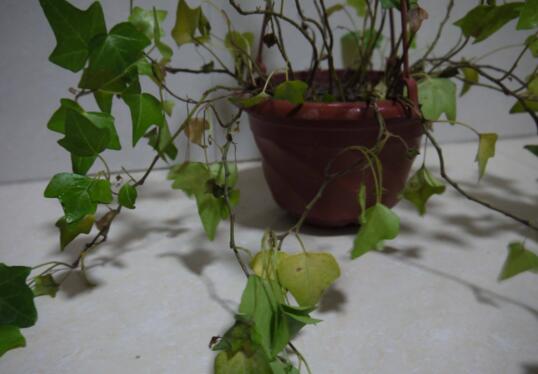
How to water ivy? How often to water depends on growth rate and climate
It is well known that ivy is a plant that likes a humid environment, so when growing it, you need to water it to keep the soil moist, and spray water on the leaves when the humidity is low. So how do you water ivy? How often should ivy be watered? Below, the editor will tell everyone the answer
-
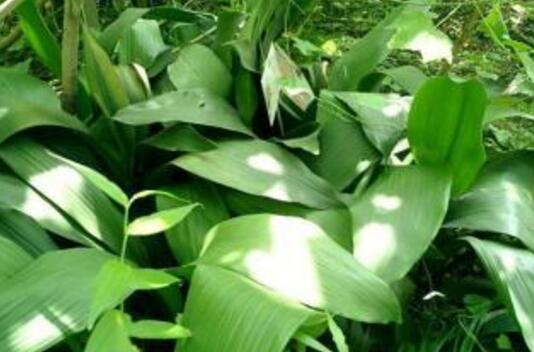
Why doesn't the Aspidistra grow new leaves? Moderate temperature is the key to a full pot
Aspidistra (cast iron plant) is a well-known indoor foliage plant. During growth, it maintains its beauty by continuously sprouting new leaves, but some gardening enthusiasts find that the Aspidistra they grow barely grows any new leaves. So why doesn't the Aspidistra grow new leaves? Let me analyze the main reasons for you
-
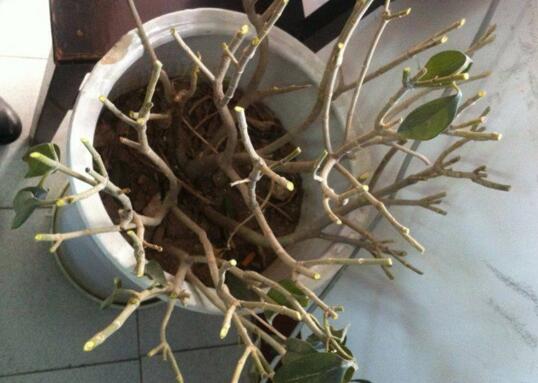
How to prune Chinese Violet (African Jasmine)? Illustrated pruning methods and timing
In terms of growth rate, Chinese Violet (African Jasmine) is not a very fast grower, but if you want to keep it more attractive, pruning is also essential during care. So how should Chinese Violet be pruned appropriately? Let's look at the illustrated pruning methods for Chinese Violet.
-

How to prune a desert rose? Illustrated guide to four common pruning methods
To maximize the ornamental value among the benefits and uses of the desert rose, pruning is indispensable in addition to mastering the correct growing methods. Its advantages are that it both prevents leggy growth and promotes flowering, so how do you prune a desert rose? Let's look at the desert rose pruning method illustrations
-
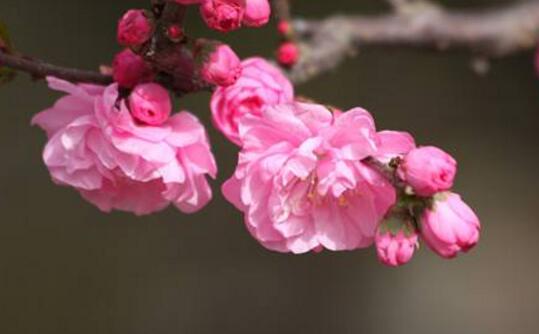
When transplanting flowering almond (Prunus triloba), keeping a soil ball and watering and pruning in time can improve the survival rate.
Flowering almond grows fairly quickly, and sometimes a flower pot or the environment limits it, so it has to be transplanted. During transplanting, be careful to avoid damaging the roots, and the care and management after transplanting are also very important. Good care can improve the transplant survival rate and will not have an adverse effect on growth.
条件筛选