-
-
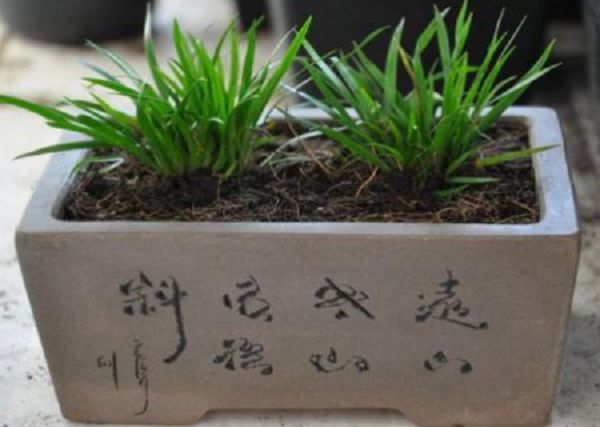
Can Acorus tatarinowii tolerate low temperatures? Detailed winter care methods
Can Acorus tatarinowii tolerate low temperatures?
-

When does Cyclamen bloom? The flowering period is concentrated in winter
When does Cyclamen bloom? It blooms mainly in the winter season
-
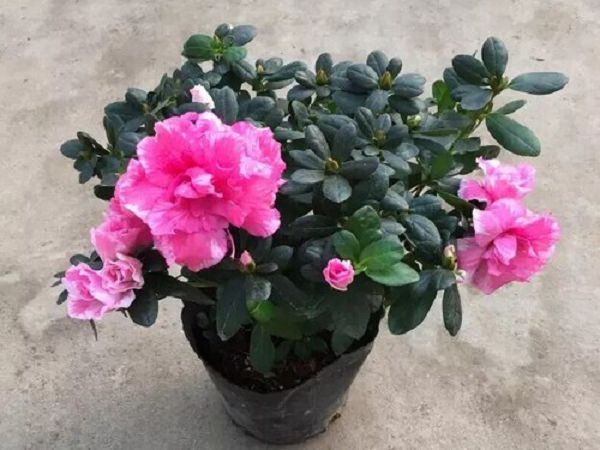
How should you care for a potted rhododendron (ying shan hong) to improve its survival rate?
How to improve the survival rate of potted rhododendron (ying shan hong)
-
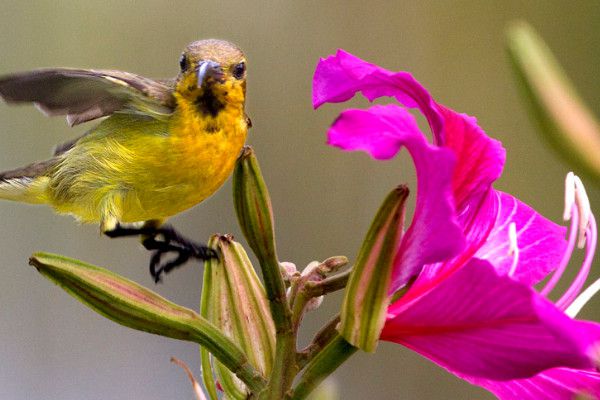
Is a redbud tree easy to transplant successfully? Get these points right and the survival rate will be high
Is a redbud tree easy to transplant successfully
-

When taking cuttings, soak them in homemade rooting water, and they will grow a mass of white roots with a high success rate
Soak cuttings in homemade rooting water, and they will produce a mass of white roots with a high success rate
-
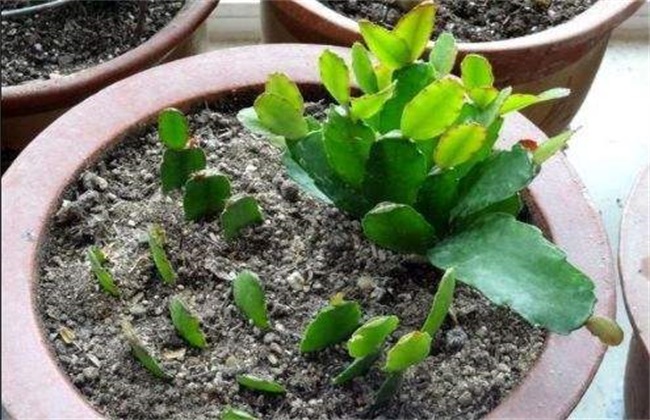
A detailed guide to crab claw cactus (Schlumbergera) cuttings: master these steps for a high survival rate
How to take cuttings from crab claw cactus
-

How to propagate Aptenia cordifolia by cuttings for a high survival rate?
How to propagate Aptenia cordifolia by cuttings
-

How to propagate camellias by cuttings? Master these steps for a high survival rate
How to propagate camellias by cuttings
-

Occurrence of Tulip Diseases and Integrated Control Methods
Tulip is a perennial bulbous herbaceous plant of the genus Tulipa in the family Liliaceae, also known as foreign lotus, grass musk, peony lily, etc., and is one of the most popular cut flowers in the world. With the adjustment of industrial structure, many places in Jiangsu Province have formed tulip fresh cut flower bases. However, in the production process, we found that every stage may be harmed by fungal, bacterial and viral diseases, thereby affecting the normal growth of plants, reducing the quality and ornamental value of cut flowers, and in severe cases causing devastating damage. Therefore, preventing the occurrence and development of tulip diseases is the
条件筛选