How to water ivy? How often to water depends on growth rate and climate
It is well known that ivy is a plant that likes a humid environment, so when growing it, you need to water it to keep the soil moist, and spray water on the leaves when the humidity is low. So how do you water ivy? How often should ivy be watered? Below, the editor will tell everyone the answer.
What kind of water is best for watering ivy
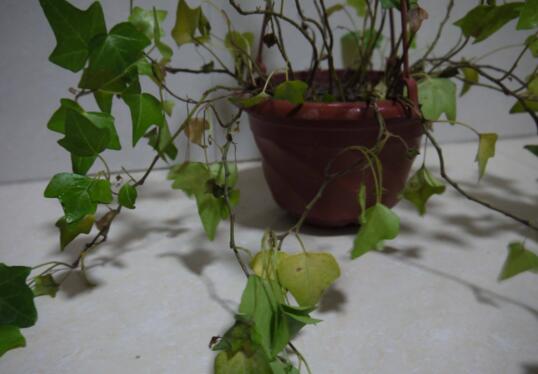
Ivy likes acidic soil and is not tolerant of saline-alkaline conditions, so when watering, water that is on the acidic side is better. In everyday life, such water includes rainwater, river water, well water, and so on. If using tap water to water, it is best to fill a container with tap water and let it sit for a few days to reduce the alkalinity. If the soil alkalinity is too high, you can also routinely use alum fertilizer water.
How to water ivy
Watering ivy generally follows the principle of alternating dry and wet, watering thoroughly when you do water, and leaving no standing water. So-called alternating dry and wet means watering after the soil has become somewhat dry, and stopping watering once the soil is moist; watering thoroughly means ensuring that each watering moistens both the upper and lower parts of the soil; leaving no standing water means there should be no standing water in the pot. So how often should ivy be watered? Combining the growth stage and the climate environment is key.
How often should ivy be watered
1. Watering in spring
Spring temperatures are suitable and easily reach ivy's ideal growth temperature of 18-20°C, so it grows relatively quickly. At this time, water generally once every 1-2 days. Pay attention to ivy's growth conditions and climate changes. If it is cloudy and rainy, water once every 2 days; if the air is dry and the temperature is higher, water once a day.
2. How to water ivy in summer
Summer temperatures will be higher. When the temperature is above 35°C, ivy will not only stop growing, but its leaves will also turn yellow. At this time, how often should ivy be watered? Generally once each in the morning and evening, and at the same time you should also spray water on the leaves, which can lower the temperature and also keep the leaves moist to avoid yellowing.
3. Watering in autumn
In early autumn, the temperature is lower in the morning and evening while higher during the day, so watering is generally chosen in the morning, once every 1-2 days, depending on how dry or wet the soil is; in late autumn, the temperature gradually drops, so watering should also be controlled, and do not water unless the soil is dry.
4. Does ivy need watering in winter
In winter, ivy's growth is extremely slow or stagnates. At this time, how often should ivy be watered? Generally once every 4-7 days. When the soil is somewhat dry, it needs appropriate watering. When watering, be careful that the water temperature is not too low, and just keep the potting soil slightly moist. You cannot stop watering completely.
Precautions for watering ivy
When growing ivy in pots, the watering time will also be affected by the flowerpot. For example, the watering time for plastic pots and clay pots is completely different. Plastic pots evaporate water slowly, so the interval between waterings is longer than for clay pots. Therefore, exactly how often to water needs to be judged flexibly according to the moisture condition of the soil.
Ivy Hedera nepalensis K,Koch var.sin ensis (Tobl.) Rehd Ivy illustrated guide: how to grow ivy / how to propagate ivy
Ivy profileIvy Hedera nepalensis K,Koch var.sin ensis (Tobl.) Rehd
Ivy cultivation methods and precautions Introduction to ivy
Ivy is a rather popular large indoor potted ornamental plant, especially when placed in relatively spacious living rooms, studies, and sitting rooms, where it creates an elegant, simple style with a southern charm. It is a world-famous new-generation indoor foliage plant with a graceful, neat plant shape.
Ivy can purify indoor air and absorb harmful gases such as benzene and formaldehyde released by furniture and decoration, bringing great benefits to human health. It is native to Europe, Asia, and North Africa. It is highly adaptable to the environment. It likes a relatively cool climate, has strong cold resistance, and can be used as medicine.
Morphological characteristics of ivy
Evergreen climbing shrub, with aerial roots. Leaves are simple leaves; leaves on sterile branches usually have lobes or lobe-like teeth, but those on flowering branches are often not divided; petioles are slender, with no stipules.
Umbels solitary and terminal, or several forming a terminal short panicle; bracts small; pedicels without joints; flowers bisexual; calyx tube nearly entire or with 5 small teeth; petals 5, valvate in the flower bud; stamens 5; ovary 5-locular, styles united into a short column.
Fruit spherical. Seeds ovate; endosperm ruminate.
Ivy, also known as English ivy, Changchunteng, Zuantian Wugong (in the Leshan area of Sichuan), Tugu Teng, Muniao, and Baijiao Wugong, belongs to the Araliaceae family. Its stems produce aerial roots to climb on other objects. Young leaves and inflorescences are covered with star-shaped scales. Leaves are stalked, thick in texture, and the leaves of creeping branches are slightly triangular and palmately shaped. Its fruits, seeds, and leaves are all poisonous. Accidental ingestion by children can cause symptoms such as abdominal pain and diarrhea, and in severe cases can trigger gastrointestinal inflammation, coma, and even breathing difficulties. However, the stems and leaves can also be used as a diaphoretic and antipyretic. The leaves are fragrant and graceful in form, and can be used for ornamental purposes at home.
Evergreen climbing vine. Stems and branches have aerial roots; young branches are covered with scale-like soft hairs. Leaves alternate, two-lobed, 10 cm long, 3-8 cm wide, apex acuminate, base cuneate, entire or 3-lobed; leaves on flowering branches elliptic-ovate or elliptic-lanceolate, 5-12 cm long, 1-8 cm wide, apex long-acuminate, base cuneate, entire. Umbels solitary or 2-7 terminal; flowers small, yellowish white or greenish white, floral parts in fives; ovary inferior, styles united into a column.
Fruit spherical, berry-like, yellow or red. Flowering period May-August, fruiting period September-November. Attached to tree trunks in broad-leaved forests or to shaded, damp rock walls in ravines.
Produced in Shaanxi, Gansu, and south of the Yellow River basin to South China and Southwest China.
[Original form] Perennial evergreen climbing shrub, 3-20 m long. Stems grayish brown to blackish brown, smooth, with aerial roots; young branches covered with scale-like soft hairs, scales usually with 10-20 radiating ribs.
Simple leaves alternate; petiole 2-9 cm long, scaly; no stipules; leaves dimorphic; leaves on non-flowering branches triangular-ovate or hastate, 5-12 cm long, 3-10 cm wide, entire or three-lobed; leaves on flowering branches elliptic-lanceolate, narrowly elliptic-ovate or lanceolate, rarely ovate or round-ovate, entire; apex long-acuminate or acuminate, base cuneate, broadly rounded, cordate; upper leaf surface dark green, glossy, lower surface pale green or pale yellowish green, glabrous or sparsely scaly; lateral veins and reticulate veins conspicuous on both surfaces.
Umbels solitary and terminal, or 2-7 arranged racemosely or corymbosely into a panicle, 1.5-2.5 cm in diameter, with 5-40 flowers; calyx densely covered with brown scales, about 2 mm long, margin nearly entire; petals 5, triangular-ovate, 3-3.5 mm long, pale yellowish white or pale greenish white, scaly outside; stamens 5, filaments 2-3 mm long, anthers purple; ovary inferior, 5-locular, styles all united into a column; disk raised, yellow.
Fruit spherical, 7-13 mm in diameter, red or yellow, persistent styles 1-1.5 mm long. Flowering period September-November, fruiting period March-May of the following year.
Ecological habits of ivy
A shade-loving vine, it can also grow in full-light environments. It grows well under warm, humid climate conditions and is not cold-tolerant. It has no strict requirements for soil, likes moist, loose, fertile soil, and is not tolerant of saline-alkaline conditions. It grows attached to tree trunks in broad-leaved forests or on shaded, damp rock walls in ravines, and is also often cultivated in gardens.
A shade-loving vine, it can also grow in full-light environments. It grows well under warm, humid climate conditions and is not cold-tolerant. It has no strict requirements for soil, likes moist, loose, fertile soil, and is not tolerant of saline-alkaline conditions.
Native to China, distributed in Asia, Europe, and northern America; in China it is mainly distributed in Central China, South China, Southwest China, Gansu, and Shaanxi.
It likes warm, shaded environments and avoids direct sunlight, but likes ample light. It is relatively cold-tolerant, has strong resistance, and has no strict requirements for soil and moisture, with neutral and slightly acidic soil being best. Morphological characteristics and uses: perennial evergreen woody vine. It grows by climbing, and the stem can reach more than 20 m, with attached roots on it and scales on young branches. Leaves have two forms: one is the triangular or hastate leaf on sterile branches, entire or with three shallow lobes; the other is the lanceolate leaf on fertile branches, entire, with a slender petiole. Umbels are borne at the tips of branches, the flowers are pale greenish white and fragrant, and the flowering period is September-November. The fruit is spherical, ripening in April-May of the following year, and red or yellow when ripe.
Ivy's leaf color and leaf shape are highly variable, and it is evergreen in all four seasons. It is a beautiful climbing plant and can be used for vertical greening of trellises or walls. It is also suitable for indoor potting and is a very good indoor foliage plant, and can be used as a potted plant, hanging basket, topiary, shaped plant, and so on. Ivy is also a material for cut-flower arrangements. In addition, when planted together with other plants, it is a very good groundcover material. The whole plant can be used as medicine.
Cultivation techniques for ivy
Ivy cultivation and management are simple and extensive, but it needs to be planted in a place with moist soil and air circulation. Transplanting can be done in early autumn or late spring. After planting, pruning is needed to promote branching. In many places in the south, it is planted in shaded areas of gardens, letting it naturally creep on the ground or on rockeries. In the north, it is mostly potted. Potted plants can be tied to various supports and trained into shape. In summer, maintain them under a shade shed; in winter, put them in a greenhouse to overwinter. Indoors, air humidity should be maintained and it should not be too dry, but the potting soil should not be too wet.
Propagated by seeds, cuttings, and layering. Seed propagation: harvest when the fruit is ripe, pile for after-ripening, soak in water and rub, wash the seeds clean and dry them in the shade, then sow immediately, or store them in moist sand and sow in spring of the following year. After sowing, cover with 1 cm of soil and cover with grass to retain moisture. After seedlings emerge, set up a shed for shade. In the second spring, transplant or thin the seedlings and then grow large seedlings. Cutting propagation: in the growing season, softwood cuttings with aerial roots are the easiest to root. After cutting, set up a closed plastic-film arch shed and shade it, maintaining a space humidity of 80%-90%, but the bed soil should not be too wet, to avoid rotting of the cuttings. Roots form in about 30 days. Layering propagation: carried out in spring and autumn, using the serpentine layering method. After girdling the part to be buried, it roots very easily.
Field management
After the beginning of spring, seedlings are transplanted with soil balls. After planting, appropriately shorten the main vine to promote branching. In the growing season, combine watering with 1-2 applications of human and animal manure fertilizer, and set up supports to guide it to climb upward.
Ivy is mainly propagated by cuttings. Throughout the year, except for severe cold in winter and extreme heat in summer, it can be cuttings at any time as long as the temperature is suitable. Cuttings are mostly made from young branches; old branches can also be used for cuttings, but they root poorly. Generally, 1-2-year-old branches about 10 cm long are cut as cuttings and inserted into a seedbed with coarse sand or vermiculite as the substrate, or directly inserted into a pot with loose culture soil. For the large-leaved Canary ivy, before cuttings the branches must first be soaked in water, then taken out and inserted. After cutting, place them in an environment with relatively high air humidity and slight shade, and keep the substrate moist. At a temperature of about 15-20°C, roots can form after about two weeks. After the mother plant's runners develop roots, they can also be cut off and planted. Sometimes the mother plant's runners are buried in sandy soil with the leaves exposed, and adventitious roots can form at each node. After the internodes have rooted, they can be cut into sections and planted.
Cultivation management
Temperature should be suitable. Ivy likes warmth, and the suitable growth temperature is 20°C-25°C. It fears heat and is not cold-tolerant. Therefore, when maintaining it indoors, pay attention to ventilation and cooling in summer. In winter, the room temperature should preferably be kept above 10°C, and at the lowest not below 5°C.
Light should be moderate. Ivy likes light and is also fairly shade-tolerant. Grown under semi-light conditions, the internodes are shorter, the leaf shape is uniform, and the leaf color is vivid, so it is best to grow it in a bright indoor location. If in spring and autumn you can each choose a period to place it in a shaded outdoor spot so it gets more sunlight in the morning and evening, then it will be vigorous and the leaves will be green and bright. But be careful to prevent direct strong light, otherwise it is prone to sunscald.
Watering should be moderate. During the growing season, water according to the principle of seeing dry and wet, and do not let the potting soil become excessively moist, otherwise it is prone to root rot and leaf drop. In winter, when room temperature is low, especially control watering and just keep the potting soil slightly moist. The northern winter climate is dry, so it is best to spray-wash the leaves once a week with clean water close to room temperature to maintain air humidity; then the plant will look lively and the leaves will be tender green and glossy.
Fertilization should be reasonable. For home cultivation of ivy, the potting soil should be a culture soil made by mixing leaf mold or peat soil with 1/4 river sand and a small amount of bone meal. During the growing season, apply dilute cake fertilizer water once every 2-3 weeks. Generally, do not fertilize in summer and winter. When fertilizing, never apply too much nitrogen fertilizer, otherwise the patterns and patches on the leaves of variegated varieties will fade to green. The ratio of nitrogen, phosphorus, and potassium should preferably be 1:1:1. In the peak growing season, you can also spray the leaves 1-2 times with 0.2% potassium dihydrogen phosphate solution, which will make the leaf color look even more beautiful. But note that when applying liquid fertilizer, avoid staining the leaves, so as not to cause leaf scorch.
Pruning should be timely. When small seedlings are potted (preferably 3 plants per pot) and grow to a certain height, pay attention to timely pinching to promote more branching, so the plant shape will look fuller.
Propagation should be done correctly. Ivy is mainly propagated by cuttings. When taking cuttings, two points must be noted:
First, the cuttings cannot use perennial old branches, but should use robust young branches. This is because old branches do not root easily, and even if they root, their climbing ability later is very poor.
Second, be careful to protect the buds on the cuttings. Because the buds on English ivy branches are very small, they can easily be rubbed off if you are not careful. Therefore, when removing the lower leaves of the cuttings, be very careful not to rub off the buds at the same time, otherwise it will affect the survival of the new plant.
Potted plants should be given supports. In order to let them climb upward, adding infinite interest to the beautification of indoor space, or grown as hanging baskets, the soft branches and vines drooping and swaying naturally are extremely elegant, bringing the refreshing enjoyment of evergreen foliage throughout the four seasons. Therefore, it is a rare hanging vine foliage treasure for modern living rooms, offices, conference halls, and similar places. Generally, repot once every one or two years.
Cultivation key points
Change the liquid (nutrient solution) regularly:
In hydroponic flowers, the root system is soaked in nutrient solution. The buffering capacity of the nutrient solution is relatively poorer than that of a substrate. Due to plant metabolism, new roots are constantly produced, and the root system may also secrete some toxic substances, which adversely affect root growth and development. In addition, because different flowers absorb nutrients differently and selectively, this often causes an imbalance of nutrients in the nutrient solution. Sometimes it causes deficiency diseases and physiological disorders. In addition, because temperature affects pH, it can also cause imbalance, especially obvious in hydroponic methods. Therefore, hydroponics requires regular liquid changes. In winter, spring, and autumn, change the liquid once a month; in summer, change it once every 25 days. Therefore, a good nutrient solution must have strong buffering capacity, can stabilize the plant's growth environment, and ensure nutrient balance.
Water management
Under normal circumstances, the cultivation water in the pot should be replaced once every one to two months. Tap water from daily life can be used, but note that when the water temperature is lower than the indoor temperature, let the tap water sit for a period before use, so as to keep the root temperature stable.
1. The water can be purified water or tap water.
2. There should not be too much water in the pot, and a certain amount of roots need to be kept in the air (about 70% of the root length in water is suitable; generally it is suitable if the planting basket does not touch the water).
3. When planting, be careful to protect the root system, straighten it out as much as possible, and let most of all the roots be immersed in water.
Soilless cultivation
For soilless cultivation of ivy, flowerpots specially designed for hanging plants are often used. The substrate can be perlite:dry cow dung:fine sand at 2:1:1, or vermiculite:peat:carbonized rice hulls at 2:2:1. Choose one of the above formulas according to local conditions, mix evenly, disinfect, and then pot the plant. The nutrient solution can be a special nutrient solution for foliage plants or a compound flower fertilizer. After potting, the first application of nutrient solution should be thorough; afterward, replenish the solution once every 10 days. Normally, replenish water to keep the substrate moist. But note that there should not be too much water, to avoid root rot. In the peak growing season, 0.2% potassium dihydrogen phosphate solution can be used for foliar fertilization.
Ivy likes light, but is also fairly shade-tolerant, and can grow well under indoor semi-light conditions. In winter and spring, letting it get more sunlight will make it grow vigorously and the leaf color bright green. In summer, avoid direct strong light and pay attention to ventilation and cooling. In northern winter, the room temperature should preferably be kept above 10°C. When the room temperature is low, control watering, and you can spray-wash the branches and leaves once every so often with clean water close to room temperature to increase air humidity and keep the leaves clean and emerald green.
Ivy grows robustly and is easy to cultivate and keep alive. Ivy is often grown as a potted ornamental. The potting soil should be made of humus soil or peat soil with good water permeability plus a small amount of base fertilizer. Place it indoors in a bright location or where there is no direct sunlight for cultivation. When potting, tie it to various supports and train it into shape.
During the growing season, apply dilute liquid fertilizer once about every 2 weeks. The ratio of nitrogen, phosphorus, and potassium in the fertilizer can be 1:1:1. The proportion of nitrogen fertilizer should not be too high, otherwise variegated varieties will turn green. In winter, growth is slow, and generally there is no need to apply too much fertilizer. In the peak growing season, keep the potting soil moist and water fully. In hot seasons, also pay attention to ventilation and spray water to cool down, otherwise growth is prone to weakening. In winter, put it in a greenhouse to overwinter, and the potting soil should not be too dry or too wet, and there should be a certain air humidity. Throughout the four seasons, you should frequently spray water on the leaves and surroundings to increase humidity. In a humid environment, the leaves are tender green and glossy. In spring, summer, and autumn, it can be maintained outdoors. In winter, it needs to be moved to a warm place to overwinter, and the overwintering temperature generally does not need to be lower than 5°C.
Ivy cultivation methods: planting
Planting can be done during any period when the branches and vines stop growing. However, planting before sprouting in late spring and early summer is best. For potting, a culture soil mixed with leaf mold, garden soil, and sand is usually used. Repot generally once every 1-2 years. Before planting, first place decomposed organic fertilizer at the bottom of the pot as base fertilizer, and cut off overly long and overly dense roots. After planting, water once thoroughly, place in a cool place, and after new branches grow, carry out normal management.
Light and temperature
The suitable growth temperature is 18-20°C. When the temperature exceeds 35°C, the leaves turn yellow and growth stops. Therefore, in the hot summer, shade it, or place it in a lightly shaded spot, avoiding exposure to the scorching sun. It is relatively cold-tolerant and can overwinter safely in ordinary indoor home conditions. In winter, move it indoors to a sunny place and let it receive more light. Keep the temperature above 3°C, and it can also endure short periods of low temperature of -7 to -8°C. In conditions without heating equipment, do a good job of frost protection, or you can prune heavily to help it overwinter safely. Indoors, it should be placed in a bright location. Outdoors, in addition to avoiding direct strong sunlight, it needs 3-4 hours of direct sunlight every day, especially variegated varieties. Only sufficient light can maintain the vivid leaf color. If light is insufficient and ventilation is poor, and it is placed in a dark place for a long time, the plant's internodes will elongate and it will grow weaker and weaker.
Watering and fertilizing
Ivy requires a warm and humid environment. During the growing period, water supply must be guaranteed, and the potting soil should often be kept moist to prevent it from drying out completely. If water is insufficient, it will cause leaf drop. When the air is dry, frequently spray water on the leaves and surrounding ground to increase air humidity. In winter, reduce watering so that the potting soil is on the moist-dry side, but still spray water on the leaves to increase air humidity, so as to avoid poor growth and the phenomenon of scorched leaf edges. During the growing period, apply dilute organic liquid fertilizer 2-3 times a month. For potted plants that have already reached their grown shape, fertilization can be reduced. In winter, stop fertilizing.
Shaping and pruning
For newly planted plants, after they sprout in spring, pinch them to promote branching, and set up a frame to train the shape. They can also be grown as hanging baskets. For plants that have grown for many years, strengthen pruning, thin out overly dense, thin, weak branches and dead branches, and prevent too many branches and vines, which can cause the shape to become disordered.
Propagation methods for ivy
Ivy can be propagated by cuttings, division, and layering. Except in winter, it can be done in the other seasons, while greenhouse cultivation is not limited by season and can be propagated year-round.
Ivy's stems and vines root easily, so cutting propagation is usually used.
Under greenhouse cultivation conditions, cuttings can be taken year-round. For home propagation, generally cutting in spring from April-May and in autumn from August-September is suitable. When taking cuttings, use loose, air-permeable, well-drained sandy soil as the substrate. For hardwood cuttings in spring, cut robust woody branches from the plant into cuttings 15-20 cm long, keeping 2-3 leaves at the upper end. After cutting, keep the soil moist and place under side-shade conditions; roots will form quickly. For softwood cuttings in autumn, use semi-lignified young branches and cut them into cuttings 15-20 cm long containing 3-4 nodes with aerial roots. After cutting, shade them and often keep the soil moist. Generally, roots form and they survive 20-30 days after cutting.
In addition to cuttings, layering propagation can also be used. Bury the stems and vines in the soil, or press the stems and vines onto the moist soil surface with stones. After new roots grow at the nodes, cut them into sections of 3-5 nodes to promote new stems and vines from the leaf axils. After another 30 days of cultivation, they can be transplanted into pots.
Cutting method
The suitable periods are April-May and September-October. Cut off semi-mature branches with aerial roots as cuttings, which should have one to several nodes. After cutting, shade them, keep them moist, and increase air humidity; roots will form in 3-4 weeks.
Mainly propagated by cuttings. Except when the summer temperature is too high or the winter temperature is too low, cuttings cannot be taken; at other times they can be taken. The suitable periods are April-May and September-October. The cuttings generally use 1-2-year-old branches, about 10 cm long, with one to several nodes, and are directly inserted into a plain sand cutting bed to a depth of about 3-4 cm; they can also be treated with 100 μg/g naphthalene acetic acid before cutting.
Properly shade the cuttings, maintain relatively high air humidity, and keep the temperature at about 20°C; roots will form in 2 weeks. After rooting, they can be potted and planted in early autumn or early summer. Branches creeping on the ground can root at the nodes and penetrate the soil, so ivy can be propagated by both division and layering.
Pest and disease control for ivy
Diseases mainly include algal leaf spot, anthracnose, bacterial leaf rot, leaf spot, root rot, and blight. Among insect pests, leaf roller borers, scale insects, and red spiders are relatively serious.
First, in late autumn or early spring, clear away dead branches and fallen leaves and promptly cut off diseased branches and diseased leaves and burn them;
Second, before disease onset, spray 65% zineb 600x solution for protection;
Third, fertilize and water reasonably, and pay attention to ventilation and light transmission;
Fourth, in the early stage of disease, spray 50% carbendazim or 50% thiophanate 500-600x solution, or 75% chlorothalonil 600-800x solution. Rust disease: in addition to the above methods 1-3, after onset spray 97% nabam 250-300x solution (with 0.1% washing powder), or 25% triadimefon 1500-2500x solution.
Leaf spot
Bacterial leaf spot occurs on the leaves and stems of the plant. In the early stage of disease, infected leaves produce water-soaked, light green round small spots. The lesions then gradually expand and turn into brown or black lesions, with the edges slightly red, and the petioles also turn brown, causing the leaves to wither. When branches are affected, the disease spreads from the top of the branch downward and penetrates into the xylem. When the disease is severe, canker lesions can girdle the stem, causing the branches and leaves above the diseased part to wither. When humid and conditions are suitable, it spreads by rain splash and invades the plant body through stomata, water pores, or wounds. Under warm, humid conditions, bacterial ooze appears on the diseased parts.
Control methods
① Reduce sources of infection: promptly cut off diseased tissue, and promptly burn severely infected diseased plants when found.
② Strengthen cultivation management: irrigate the plant from the root zone, do not sprinkle-water, so as to avoid spreading pathogens and expanding the damage.
③ Soil treatment: soil contaminated by pathogens can be treated with 2% formalin solution.
Anthracnose
A common disease. It mainly damages leaves. When severely affected, the leaves appear grayish white; it is prone to occur during continuous autumn rain.
Control methods: place in a ventilated, light-transmitting location, and prohibit overhead watering of the leaves. After onset, spray 50% carbendazim wettable powder 500x solution, once every 7 days, spraying 3-4 times continuously for control. For other methods, see the pest and disease control section for Schefflera.
Leaf spot
A common disease. It easily causes leaves to wither, yellow, and drop, mostly caused by poor ventilation and a stuffy, humid environment.
Control methods: in the early stage of disease, remove diseased leaves and burn them centrally. At the same time, spray 1% Bordeaux mixture once every 7 days, spraying 4-5 times continuously.
Scale insects
Common pests. Affected plants grow poorly, and they can also be contaminated with sooty mold, causing leaves to turn yellow and drop prematurely.
Control methods: scrape off manually. When the affected area is large, you can also spray 40% omethoate emulsifiable concentrate 800x solution. For other methods, see the pest and disease control section for cycads.
Blight
(1) Symptom characteristics: the whole leaf or most leaves turn brown and rot, or the base of the stem and vine and the base of young nodes appear dark green water-soaked, soften and constrict, then turn brown to brownish black, and the branches and leaves above the diseased part wither. Some directly form rotten tops or dead heads; sometimes the stem base of cuttings also becomes diseased and produces stem rot. When cuttings carry pathogens or the soil carries pathogens, and soil and air humidity are high, this disease is prone to occur and spreads rapidly.
(2) Control methods
① Promptly pull out diseased plants when found, and appropriately control watering.
② When planting cuttings, be careful to select cuttings from plants not harmed by pests or diseases, and insert them into a disinfected substrate or one where blight has not occurred. Planting should not be too dense, and pay attention to ventilation and light transmission.
③ Drain promptly during the rainy season to prevent moisture retention.
④ In the early stage of disease, spray or drench with 25% metalaxyl wettable powder 800x solution, or 58% metalaxyl mancozeb wettable powder 600x solution, 64% oxadixyl wettable powder 600x solution, or 72% curzate 600x solution.
Gray mold
(1) Symptom characteristics: water-soaked brown or black lesions appear at the leaf edges. When severe, the lesions can occupy most of the leaf or the whole leaf, and a gray mold layer forms when humid.
(2) Control methods: cultivate with new disease-free soil, control watering, and do not apply too much nitrogen fertilizer. Promptly remove diseased leaves and burn them. At onset, spray 75% chlorothalonil 500x solution, once every 10 days, 2-3 times continuously.
Purple prominent-eyed oyster scale
(1) Damage characteristics: nymphs and female adults pierce and suck the sap of branches and leaves. In severe cases, they cover the leaves and branches, causing the plant to dry out, turn yellow, and die.
(2) Control method: In winter, combine shaping with pruning of insect-infested branches and leaves, and burn them in a centralized manner. During the nymph hatching period, spray 50% phoxim 1000x solution or Supracide 1500x solution.
Sunscald
Symptoms: Upper leaves or new leaves turn light gray, gradually wither, and drop.
Cause: A physiological disorder. In summer, moving an ivy that has long been kept in shade suddenly into bright sunlight makes it prone to sunburn.
Control method: The growing environment should be semi-shaded, with about 50%-70% sunlight. Avoid direct strong sunlight.
Variety classification of ivy
Varieties are divided into Chinese ivy (H. nepalensis var. sinensis), Japanese ivy (CV. conglomerata), variegated ivy (CV. discolor), goldheart ivy (CV. goldheart), and silver-edge ivy (CV. silver quetn)
Chinese ivy
Chinese ivy, an evergreen climbing vine. Old branches are grayish-white, young branches are pale bluish-green and covered with scale-like soft hairs, and aerial roots grow at the nodes. Leaves are leathery, dark green, with long petioles; leaves on vegetative branches are triangular-ovate, entire or with three shallow lobes; leaves on flowering branches are ovate to rhombic. It flowers from September to November, with small, pale greenish-white flowers that have a slight fragrance. The drupe is spherical, orange-yellow, and ripens from April to May the following year.
It is distributed in central China, southern China, southwestern China, and the provinces of Shaanxi and Gansu. It is extremely shade-tolerant and can also grow in places with ample light. It prefers warm, humid environments, is slightly cold-tolerant, and can withstand brief low temperatures of -5 to -7°C. It has low soil requirements but prefers fertile, loose soil. Chinese ivy has dense, verdant branches and an elegant posture; its aerial roots can be attached to rockeries and walls, letting its branches and leaves hang down like a green curtain, or it can be planted under trees and allowed to climb the trunks, offering another kind of charm. It is usually propagated by cuttings or layering, roots very easily, and is simple to cultivate and manage.
Japanese ivy
Japanese ivy, an evergreen vine. Leaves are hard, dark green, and glossy; leaves on vegetative branches are broadly ovate, often with three lobes; leaves on reproductive branches are ovate-lanceolate or ovate-rhombic. The terminal umbel is yellow-green. The fruit turns black when ripe. Native to Japan, South Korea, and Taiwan, China. It is robust, semi-cold-tolerant, and prefers a slightly shaded environment. Growth weakens when light is too weak or temperatures are high. It is a good indoor foliage plant. It can be propagated by cuttings, division, or layering.
Goldheart ivy
Goldheart ivy is a horticultural variety in the ivy family, with three middle lobes and a tender yellow center, offering high ornamental value.
English ivy(H.helix)
Evergreen vine, with stems reaching up to 30 m long and leaves 10 cm long, usually with 3-5 lobes; leaves on flowering branches are generally entire. The upper leaf surface is dark green, the lower surface pale green; flower stalks and young stems have grayish-white stellate hairs, and the fruit is black. The main varieties include poet's ivy (var. chrysocarpa): leaves shallowly lobed, young leaves with 5-7 lobes, yellow-green, leaves on flowering branches rhombic and lanceolate, entire. The fruit is yellow.
Canary ivy(H. canariensis) evergreen vine
Stems climb upward and have stellate hairs. Leaves are ovate, heart-shaped at the base, 5-25 cm long and 10-15 cm wide, entire, light green; lower leaves have 3-7 lobes; inflorescence is a raceme or panicle; fruit is black. The main varieties include variegated Canary ivy (var. albimaculata): leaves have white and yellow spots. Upright Canary ivy (var. arborescens): an upright bushy shrub with climbing stems. Silver-edge Canary ivy (var. argenteimarginata): leaf margins are white.
Colchis ivy(H. colchica) evergreen shrub
Leaves are 10-12 cm long and 10 cm wide, broadly ovate, entire, occasionally with 3 lobes on lower leaves, leathery, green, and glossy; the fruit is large. The main varieties include upright Colchis ivy (var. arborescens): an upright shrub that does not climb. Many-lobed Colchis ivy (var. dentata): leaves have many small lobes. Purple Colchis ivy: leaf color is dark green with a purple tinge.
Silver-edge ivy
Chinese species name: Silver-edge ivy
Latin species name: Hedera nepalensis K. Koch
Chinese genus name: Hedera
Chinese family name: Araliaceae
Latin family name: Araliaceae
Morphological characteristics: evergreen climbing shrub. Whether cultivated: cultivated. Distribution in Hubei: Wuhan
Crimean ivy
Leaves are lanceolate, with 3 shallow lobes, bright green, and conspicuous veins.
Snow ivy
Internodes are short, and small leaves are densely borne. Leaves are relatively small, 3-4 cm long and 2-3 cm wide, green in color, with milky white to yellow-green markings.
Although Swedish ivy is named Swedish ivy, it is actually native to Australia. The leaves of this plant are ovate-round, with semicircular serrations along the margins. The leaves are thick and glossy, yellow-green on the upper surface and purple beneath, and the stems and branches are often square with soft hairs.
Swedish ivy prefers a warm, humid environment. The optimum growth temperature is 16°C-21°C. It is not cold-tolerant, and growth stops when the winter temperature falls below 12°C. It is best to have 3-4 hours of direct sunlight each day, but during the hot summer months it should be properly shaded around midday, and water should be sprayed around it to keep the air humid.
Although this plant is relatively shade-tolerant, if it lacks light for a long time, the leaf color becomes dull, branches and leaves become leggy, internodes elongate, and the plant weakens.
This kind of ivy is relatively shade-tolerant, and after being planted in a hanging basket, it is very suitable as a decoration for indoor corners. Because Swedish ivy grows faster than other ivies, it needs frequent pinching to encourage side buds to sprout and keep the plant full and shapely.
The small stomata on its leaves can absorb formaldehyde and nicotine from the air and then convert them into sugars and amino acids. If someone in the home smokes, keeping a Swedish ivy in a corner of the living room can also absorb the smoke produced by smoking. Why not put one out?
Distribution range of ivy
Distributed in southwestern China and Shaanxi, Gansu, Shandong, Guizhou, Zhejiang, Jiangxi, Fujian, Henan, Hubei, Hunan, Guangdong, Guangxi, Tibet, and other places.
The uses and purposes of ivy. The beautiful meaning of youth and vitality
When people talk about ivy, they think of patches of verdant plants and ivory towers representing knowledge; famous American universities are all called the Ivy League. It seems that when we speak of ivy, we think of words such as youth, youthfulness, hope, and vitality. This is not only because of its verdant appearance but also because people have given it a flower language of infinite youth, as if it belongs only to young people in their youth, their times, and their pure friendships and love on campus.
A healthy and eco-friendly ornamental plant
Ivy is most often used for planting on outdoor walls or in courtyards, or grown in indoor hanging baskets. No matter where it is, it has vigorous vitality, climbing like a gecko and spreading like a spider web, and every late spring and summer we see a patch of verdant green. Its leaves are like maple leaves, and when it blooms it also opens small pale yellow-white flowers, very beautiful and fresh. It has become a popular landscaping and ornamental plant. Whether outdoors or indoors, it can bring a patch of verdant green and bring hope. Especially indoors, it is a very eye-catching green plant that can play a decorative and beautifying role and can improve the naturalness and freshness of the owner's living environment. Moreover, it is also a very healthy and eco-friendly ornamental plant. It can not only green the environment but also purify the air, absorb indoor waste gases, and release oxygen through photosynthesis, among many other functions.
Environmental protection effects
Ivy can purify indoor air and effectively remove indoor trichloroethylene, hydrogen sulfide, benzene, phenol, hydrogen fluoride, and ether, bringing great benefits to human health. Ivy can effectively resist the carcinogens in nicotine. Through the tiny stomata on its leaves, ivy can absorb harmful substances and convert them into harmless sugars and amino acids. The most beautiful part of ivy is its long branches and leaves. As long as the branches and leaves are placed ingeniously, they can bring people a "visual feast." Colorful ivy especially likes to show its colors in sunlight.
Feng shui effects
In home feng shui, there is a taboo called "piercing the heart," which refers to the entrance door facing the balcony directly. In a home with a "piercing the heart" layout, the family's gathering function weakens, it is not easy to accumulate wealth, and financial loss is likely. To solve and neutralize this, one method is to build a flower stand filled with the climbing plant ivy or place potted ivy to isolate the inside from the outside and neutralize the sha.
The dietary therapy or medicinal value of ivy
The medical information and health dietary therapy information on Huhua.com is for reference only and cannot be used as a basis for diagnosis or medical treatment. Any health problem should be consulted with professional medical personnel, and the treatment of any disease should follow a doctor's advice.
Ultimate flower-protecting mission: Love yourself, start from reality, and strictly follow a doctor's advice. For illness, do not be careless, do not delay, do not give up hope, face it bravely, warm the silent world with love, and care for the flower field in your heart with your heart.
Medicinal value
Ivy also has good medicinal value. The whole plant can be used as a Chinese herbal medicine. It can clear heat and reduce fire, has a good protective and nourishing effect on the human liver, relieves pain in body parts, and can also reduce swollen abscesses and has a good disinfecting and sterilizing effect. In addition, ivy also has a good cosmetic effect, can firm the skin, and reduce edema.
[Synonyms]
Tugu teng (Bencao Shiyi), Longlin Xueli (Rihuazi Bencao), Jianye Xueli (Puji Fang), Sanjiao feng; Sanjiao jian (Gangmu), Shangshu Wugong (Fenlei Caoyaoxing), Paqianghu, Xiefeng, Jianjiaofeng, Shangputao, Goumushe (Zhongguo Shumu Fenleixue), Zuantianfeng (Sichuan Zhongyaozhi), Baijiao Wugong (Zhongguo Yaozhi Tujian), Zuanshifeng, Fengheli teng (Jiangxi Caoyao Shouce), Fengtengcao (Xizang Changyong Zhongcaoyao), Litounan Fengteng, Sanjiaojian, Tufengteng, Sangufeng, Sanyemulian (Zhejiang Minjian Changyong Caoyao).
[Source] The whole plant of Chinese ivy, Hedera nepalensis K. Koch var. sinensis (Tobl.) Rehd., of the genus Hedera in the family Araliaceae, is used as medicine. It can be collected throughout the year, cut into sections, sun-dried, or used fresh.
[Nature, flavor, and meridian entry] Bitter, pungent, warm.
① Bencao Shiyi: "Bitter."
② Bencao Zaixin: "Bitter in flavor, slightly cold in nature, non-toxic."
③ Xizang Changyong Zhongcaoyao: "Neutral in nature, sweet in flavor."
[Functions and indications] Dispels wind and drains dampness, invigorates blood and reduces swelling, calms the liver, and resolves toxins. Used for rheumatic joint pain, low back pain, traumatic injuries, hepatitis, dizziness, facial paralysis, epistaxis, eye opacity, acute conjunctivitis, nephritic edema, amenorrhea, carbuncles and swellings, urticaria, and eczema.
① Gangmu: "Mainly treats wandering rheumatic pain and carbuncles and swellings."
② Bencao Zaixin: "Treats liver depression, tonifies the spleen and drains dampness, dispels wind and smooths phlegm, frees the meridians and collaterals, moves blood and harmonizes blood, and can also regulate qi."
③ Caomu Bianfang: "Treats chronic infantile convulsions and wind-phlegm. Removes the poison of cuts and dog bites."
④ Fenlei Caoyaoxing: "Treats pain of the muscles and bones and rheumatic numbness; taken steeped in wine. Can wash sore toxins."
⑤ Kaibao Bencao: "Calms the liver and smooths qi, improves vision, and treats dizziness."
⑥ Sichuan Zhongyaozhi: "Treats eye clouds and hepatitis."
⑦ Zhongguo Yaozhi Tujian: "Treats infantile white ringworm and swelling toxins."
⑧ Xizang Changyong Zhongcaoyao: "Invigorates blood, relaxes tendons, and resolves toxins. Treats rheumatoid arthritis, hepatitis, traumatic injuries, rabies bites, etc."
[Usage and dosage] Internal use: decocted in water, 5-15 grams; steeped in wine or pounded into juice. External use: decocted in water for washing or pounded and applied.
Garden uses of ivy
In courtyards, it can be used to climb rockeries and rocks, or as a vertical greening material on the shady side of buildings. In North China, it is suitable to plant it in a slightly shaded environment with a good microclimate. It can also be potted for indoor greening and ornamental use. Ivy has been widely used in greening, especially playing a pivotal role in vertical greening. It can not only achieve greening and beautifying effects but also play roles in increasing oxygen, lowering temperature, reducing dust, and reducing noise, and is one of the most used materials among vine greening plants.
Cultural background of ivy
Ivy - combined love, loyalty, friendship, emotion
Ivy was previously considered a magical plant and symbolizes loyalty. In Greek mythology, ivy represents the wine god Dionysus and has the symbolic meaning of joy and vitality. It also symbolizes immortal and eternal youth.
Ivy --- friendship, marriage, never parting
Ivy is a very beautiful evergreen vine plant, foretelling that spring will remain long, so it has the beautiful name "evergreen ivy" and is deeply loved by people. Giving evergreen ivy to a friend expresses that the tree of friendship remains evergreen. If a friend gets married, the bride's bouquet also cannot lack the beautiful presence of evergreen ivy. Wishing "happiness in the new marriage and a lifelong union."
At weddings, you will find that the bride often wears a piece of green plant in her hair; that is ivy used to ward off evil. The bride's bouquet also cannot lack the beautiful presence of evergreen ivy, implying that life will not be affected by petty people or demons and monsters, while men wearing it can discern a lover's likes and dislikes. In addition, ivy also represents loyalty, marriage, love, friendship, and affection, representing that friendship or love remains forever fresh and never fades.
Flower language: Influence
Before Britain adopted hops in the sixteenth century, ivy was used to brew beer, because mixing it with wheat would make the wheat turn into beer. Therefore, the flower language of ivy is - influence.
People born under the blessing of this flower have remarkable influence and can affect others. Perhaps you are suited to being a politician or entrepreneur? You also have great influence over your lover and can subtly shape them into the type you like.
The flower language of ivy
Ivy - combined love, loyalty, friendship, emotion
Ivy was previously considered a magical plant and symbolizes loyalty. In Greek mythology, ivy represents the wine god Dionysus and has the symbolic meaning of joy and vitality. It also symbolizes immortal and eternal youth.
Ivy --- friendship, marriage, never parting
Ivy is a very beautiful evergreen vine plant, foretelling that spring will remain long, so it has the beautiful name "evergreen ivy" and is deeply loved by people. Giving evergreen ivy to a friend expresses that the tree of friendship remains evergreen. If a friend gets married, the bride's bouquet also cannot lack the beautiful presence of evergreen ivy. Wishing "happiness in the new marriage and a lifelong union."
At weddings, you will find that the bride often wears a piece of green plant in her hair; that is ivy used to ward off evil. The bride's bouquet also cannot lack the beautiful presence of evergreen ivy, implying that life will not be affected by petty people or demons and monsters, while men wearing it can discern a lover's likes and dislikes. In addition, ivy also represents loyalty, marriage, love, friendship, and affection, representing that friendship or love remains forever fresh and never fades.
Ivy (4/8 birth flower)
Flower language: Influence
Before Britain adopted hops in the sixteenth century, ivy was used to brew beer, because mixing it with wheat would make the wheat turn into beer. Therefore, the flower language of ivy is - influence.
People born under the blessing of this flower have remarkable influence and can affect others. Perhaps you are suited to being a politician or entrepreneur? You also have great influence over your lover and can subtly shape them into the type you like.
The birthday flower of ivy
4.8 is the birth flower day of ivy
Ivy pictures
How to grow ivy, ivy cultivation methods and precautions
Ivy, (Latin scientific name: Hedera nepalensis var. sinensis (Tobl.) Rehd), a perennial evergreen climbing shrub of the genus Hedera in the family Araliaceae, with aerial roots; stems gray-brown or black-brown, smooth; leaves alternate, simple; petioles lack stipules and have scales; leaves on flowering branches elliptic-lanceolate; umbel solitary and terminal; flowers pale yellow-white or pale greenish-white; anthers purple; disc raised, yellow. Fruit spherical, red or yellow; flowering period September-November, fruiting period March-May the following year.
Ivy has beautiful leaf shapes and stays green all year round. In various places in the south, it is often used for vertical greening. It is mostly planted beside rockeries and at the base of walls, allowing it to naturally attach and grow vertically or as cover, achieving the effect of decorating and beautifying the environment. When potted, medium and small pots are mainly used, and various shapes can be created for indoor display. It can also be used to cover the walls of an indoor garden, making the indoor garden landscape more natural and beautiful. The whole ivy plant can be used as medicine, having the effects of dispelling rheumatism, invigorating blood, and reducing swelling, and has therapeutic effects on traumatic injuries, waist and leg pain, rheumatoid arthritis, and other conditions.
Growth habits of ivy
A shade-loving vine plant, it can also grow in full-light environments. It grows well under warm, humid climatic conditions and is not cold-tolerant. It has low soil requirements, prefers moist, loose, fertile soil, and is not salt-alkali tolerant.
It often climbs on trees at forest edges, roadside areas under forests, rocks, and house walls, and is also often cultivated in gardens.
Planting and care of ivy
Planting
Planting can be done during any period when branches and vines stop growing. However, planting before sprouting in late spring and early summer is best. For potting, a mixed culture soil of leaf mold, garden soil, and sand is usually used. Repotting is generally done once every 1-2 years. Before planting, place decomposed organic fertilizer at the bottom of the pot as a base fertilizer and cut off overly long and dense roots. After planting, water thoroughly once, place in a cool place, and carry out normal management after new branches grow.
Light and temperature. The suitable growth temperature is 18-20°C. When the temperature exceeds 35°C, leaves turn yellow and growth stops. Therefore, in hot summer, shading should be provided, or it should be placed in a lightly shaded area to avoid harsh sunlight. It is relatively cold-tolerant and can overwinter safely in ordinary indoor home conditions. In winter, it should be moved indoors to a sunny place to receive more light, with the temperature kept above 3°C; it can also endure brief low temperatures of -7 to -8°C. Under conditions without heating equipment, freeze protection should be done well, and heavy pruning can also be done to help it overwinter safely. Indoors, it should be placed in a bright location. Outdoors, in addition to avoiding strong direct sunlight, it needs 3-4 hours of direct sunlight each day, especially variegated varieties, which need sufficient light to maintain bright leaf color. If light is insufficient and ventilation is poor, and it is kept in a dark place for a long time, the plant's internodes will elongate and it will grow weaker and weaker.
Watering and fertilizing
Ivy requires a warm and humid environment. During the growing period, water supply must be ensured, and the pot soil should often be kept moist to prevent it from drying out completely. If water is insufficient, leaf drop will occur. When the air is dry, water should often be sprayed on the leaf surfaces and surrounding ground to increase air humidity. In winter, watering should be reduced so that the pot soil is on the moist-dry side, but water should still be sprayed on the leaf surfaces to increase air humidity, so as to avoid poor growth and the phenomenon of scorched leaf edges. During the growing period, apply dilute organic liquid fertilizer 2-3 times a month. For potted plants that have already grown into shape, fertilization can be reduced. In winter, stop fertilizing.
Shaping and pruning
For newly planted plants, after sprouting in spring, pinch the tips to encourage branching, and set up a frame to train the shape; hanging baskets can also be used. For plants that have grown for many years, pruning should be strengthened, removing overly dense, thin, weak branches and dead branches to prevent excessive branches and vines from causing disordered shaping.
Monthly management of ivy
January-February: Do a good job of cold protection. Although it is strongly cold-tolerant, it should still be moved indoors during cold waves, or covered with mulch.
March: As the weather warms, pay attention to appropriate watering and fertilizing.
April: Propagation by cuttings can be carried out once the growing season begins. Cut semi-lignified branches of the current year, with each cutting having at least 3 nodes, about 8-10 cm long, and insert them directly into the pot soil; at about 20°C, they can root in about 2 weeks. Layering can also be used for propagation: press the stems and vines into the soil every 15 cm, and after rooting, cut them off and pot them. In the early stage after planting, heavy pruning should be carried out to encourage more branching. The pot soil can be made with 3 parts humus soil and compost plus 1 part river sand.
May: Move to a shade shed for care, water and spray in time, keep the air humid, and topdress once a month. During cultivation, pay attention to pinching to encourage lush branches and leaves.
June-August: Growth stops at high temperatures above 30°C, and high temperature and stuffiness easily cause withering and leaf drop, so it should be placed in a cool place, and watering should not be excessive.
September-October: As the weather turns cool, control watering and fertilizing.
November-December: If conditions permit, place in a low-temperature greenhouse, control watering, and stop fertilizing. Provide light.
Pest and disease control of ivy
Diseases mainly include leaf spot, anthracnose, bacterial leaf rot, leaf spot, root rot, and phytophthora blight. Among insect pests, leaf roller borers, scale insects, and red spider mites are relatively serious.
Anthracnose
Common diseases. It mainly damages the leaves; when the damage is severe, the leaves turn grayish-white. It occurs easily during continuous autumn rain.
Control method: Place it in a ventilated and well-lit spot, and do not water directly onto the leaves. After the disease appears, spray a 50% carbendazim wettable powder 500x solution once every 7 days, for 3-4 consecutive sprays to control it. For other methods, see the pest and disease control section for Schefflera octophylla.
Leaf spot disease
Common disease. It easily causes leaves to turn yellow and drop, mostly caused by poor ventilation and a stuffy, hot and humid environment.
Control method: Remove diseased leaves in the early stage of the disease and burn them in a centralized manner. At the same time, spray 1% Bordeaux mixture once every 7 days, for 4-5 consecutive sprays.
Scale insects
Common pests. Affected plants grow poorly, and the pests can also contaminate the plant with sooty mold, causing leaves to turn yellow and drop prematurely.
Control method: Scrape them off by hand. When the affected area is large, a 40% omethoate emulsifiable concentrate 800x solution can also be sprayed. For other methods, see the pest and disease control section for Cycas revoluta.
Phytophthora blight
(1) Symptom characteristics: The whole leaf or most of the leaf turns brown and rots, or the base of the stem vine and the base of young nodes become dark green and water-soaked, soften and constrict, then turn brown to brownish-black, and the branches and leaves above the diseased part wither. Some directly form rotten tops or dead heads; sometimes the stem base of cuttings also becomes diseased and produces stem rot. When cuttings carry the pathogen or the soil carries the pathogen, and the soil and air humidity are high, the disease occurs easily and spreads rapidly.
(2) Control method
① Pull out diseased plants promptly when found, and appropriately control watering.
② When planting cuttings, be careful to select cuttings from plants free of pest and disease damage, and insert them into a sterilized substrate or one in which Phytophthora blight has never occurred. Planting should not be too dense, and attention should be paid to ventilation and light.
③ Drain promptly during the rainy season to prevent moisture from lingering.
④ In the early stage of the disease, spray or drench with 25% metalaxyl wettable powder 800x solution, or 58% metalaxyl + mancozeb wettable powder 600x solution, 64% oxadixyl wettable powder 600x solution, or 72% Kailu 600x solution.
Gray mold
(1) Symptom characteristics: Water-soaked brown or black lesions form on the leaf edges; when severe, the lesions can cover most of the leaf or the entire leaf, and a gray mold layer forms when humid.
(2) Control method: Use disease-free new soil for cultivation, control watering, and do not apply too much nitrogen fertilizer. Remove diseased leaves promptly and burn them. When the disease occurs, spray 75% chlorothalonil 500x solution. Once every 10 days, for 2-3 consecutive times.
Purple protruding eyed oyster scale
(1) Damage characteristics: Nymphs and female adults suck sap from branches and leaves. When severe, they cover the leaves and branches, causing the plant to dry out, turn yellow, and die.
(2) Control method: In winter, combine with shaping, cut off pest-infested branches and leaves, and burn them in a centralized manner. During the nymph hatching period, spray 50% phoxim 1000x solution or Supracide 1500x solution.
Sunscald
Symptoms: Upper leaves or new leaves turn light gray, gradually wither, and drop.
Cause: A physiological disorder. In summer, if English ivy that has long been kept in a shady place is suddenly moved into bright sunlight, it is easily scorched by strong sunlight.
Control method: The cultivation environment should be semi-shaded, with about 50%-70% sunlight. Avoid direct strong sunlight.