-

How to Distinguish Swine Dysentery from Diarrhea? A Detailed Guide to Integrated Prevention and Control Methods
Dysentery and diarrhea in pigs are relatively common, especially in large-scale pig farms. On some pig farms, the harm caused by swine dysentery and diarrhea is quite serious, particularly piglet dysentery and diarrhea, which have become key factors restricting piglet survival rates. Improving the ability to clinically distinguish swine dysentery from diarrhea is of great significance for grassroots animal disease prevention and control workers and large-scale farm (household) owners to promptly adopt prevention and control measures. 1 Differences and Classification of Dysentery and Diarrhea. Dysentery and diarrhea are both clinical symptoms. What is commonly called loose stool mostly
-
How to reduce the egg breakage rate? Practical methods for poultry farmers to share
Under normal circumstances, the average egg breakage rate is 6-8%. Improving eggshell quality and reducing the egg breakage rate means increased economic income. Many factors affect the egg breakage rate of caged layers, such as equipment factors, management factors, genetic factors, nutritional factors, etc. Corresponding measures should be taken according to specific circumstances during the feeding and management process. 1. The specifications of the cage equipment should conform to the production characteristics of caged laying hens. When conditions permit, choosing single-cage single-bird cages can not only reduce the egg breakage rate, but also help give full play to the hens' production performance.
-
How to identify a sick sheep? Ten methods to help you judge accurately
First, look at the eyes. A healthy sheep has nimble, bright, spirited eyes that are clean and moist. A sick sheep has dull eyes, drooping eyes with no spirit, and slow reactions. Second, look at the ears. A healthy sheep often holds its ears upright and flexible, while a sick sheep keeps its head low with drooping ears. The ears do not move. Third, look at the coat color. A healthy sheep has a neat, glossy, elastic coat. A sick sheep has a messy, lusterless coat. Fourth, look at rumination. A healthy sheep, regardless of feeding, starts ruminating 30 minutes later for 30-40 minutes, and ruminates 6-8 times in a day and night. A sick sheep ruminates less or stops. Fifth, look at movement. A healthy
-
Detailed Explanation of the Processing Methods for Dehydrated Garlic Flakes and Sweet-and-Sour Pickled Garlic
I. Dehydrated Garlic Flakes: Select fresh garlic bulbs that are well matured, free of injury, free of pests and diseases, white in color, and large in size. After removing the stem ends, separating the cloves, and peeling, slice them while keeping them wet, then rinse them in an aqueous citric acid solution to reduce the activity of garlic enzymes. Note that rinsing must be completed within 24 hours after slicing, so as to prevent the garlic slices from producing colored pigments due to oxidation, which would affect the color of the finished product. Place the rinsed garlic slices in a temperature-controlled dehydrator and control the temperature in three stages: the temperature in the early stage should be controlled at around 60°C, the temperature should be appropriately increased in the middle stage, and in the late stage it should be controlled at 7
-
How to prevent and treat hemorrhagic ascites disease in bighead carp? A detailed guide to prevention and treatment strategies
As bighead carp has gradually become popular in the market, most ponds on the outskirts of our city have shifted from raising bighead carp as a secondary species to raising them as the main species. Bighead carp yields have grown from several dozen jin per mu when raised as a secondary species to over a thousand jin per mu now that they are the main species. Due to the increase in bighead carp farming density, the disease rate in bighead carp has also risen year by year, and mortality has climbed continuously, causing certain economic losses to farmers. Hemorrhagic ascites disease in bighead carp is an explosive infectious disease, also known as bacterial septicemia, and is caused by bacteria. Before the diseased fish die, they mostly swim slowly around the pond with darkened backs, and the mouths of the diseased fish
-
Fish species quality identification methods, teaching you to accurately select high-quality fish species
1. Check whether the size is uniform. For the same species of fish, those with uniform size when harvested from the pond generally have a relatively robust constitution. 2. Check whether the fish body is glossy. Robust fish species have a layer of mucus on the body surface to protect the scales and skin from pathogen invasion, so the body surface shows a certain gloss. However, diseased, weak, or injured fish species lack mucus on the body surface and have no gloss, or some diseased fish have excessive mucus on the body surface and also lose their gloss. 3. Check the body color of the fish species. The body color of the fish species reflects their quality. The body surfaces of high-quality fish species are respectively:
-
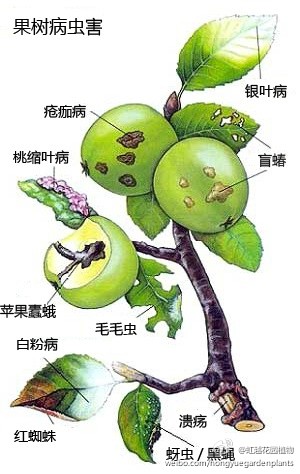
Complete Illustrated Guide to Flower Pests and Diseases: Quickly Identify Disease and Pest Symptoms
Pest and disease illustrations are always somewhat scattered. The few images below bring together illustrations of several dozen common flower pests and diseases, plus illustrations of fruit tree pests and diseases, rose pests and diseases, and tree pests and diseases.
-

Methods to Improve the Germination Rate in Licorice Cultivation
Methods to Improve the Germination Rate of Licorice
-
Key Technical Points for Over-summering Management of Semi-cooked Substrate Cultivation of Nameko Mushrooms
In the Dandong area, from mid-June each year, the weather shifts from dry and muggy to the continuous rain season, with persistent drizzle and no adequate sunlight for more than 10 days, high temperatures and high humidity, resembling "sauna" weather. From mid-July until the opening of the beds, there is again scorching sun, and the spawn bags in a high-temperature, high-humidity environment are highly prone to spawn degeneration or invasion by pests and diseases, causing the spawn beds (bags) to become soft and rotten after opening or after the first watering, resulting in varying degrees of economic loss for mushroom growers. Based on our cultivation practice in recent years, we have mastered a set of over-summering management methods. The key management points are introduced as follows:1
-
Detailed Explanation of New Technology for Indoor Shelf-Style Sterilized Substrate Cultivation of Tricholoma lobayense
Tricholoma lobayense is a rare mushroom species newly developed in recent years. It fruits at relatively high temperatures and is suitable for cultivation from late spring to mid-autumn. It solves the problems of variety matching for year-round cultivation in mushroom houses and the limited area and few varieties for edible mushroom cultivation in summer that cannot meet market demand, and it has broad development prospects. At present, cultivation methods and management practices vary from place to place, so fruiting and yields are also very unstable, and mushroom death is especially likely to occur at the primordium stage. Because the indoor temperature difference between day and night is small (cultivation and fruiting are even better in houses with earthen walls), mushroom death caused by sudden high-temperature weather outdoors will not occur;
条件筛选