-
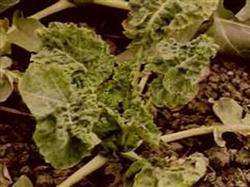
Symptom Identification and Control Methods of Rapeseed Viral Diseases
[Distribution and Damage] It occurs to varying degrees in all rapeseed-producing areas across the country, and generally the winter rapeseed areas suffer more severe disease than the spring rapeseed areas. This disease is caused by single or mixed infection of viruses such as Turnip mosaic virus (TuMV), Cucumber mosaic virus (CMV), Tobacco mosaic virus (TMV) and Rapeseed mosaic virus (YMV). Generally, yield is reduced by 20%-3...
-
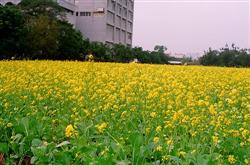
New tricks for winter management of rapeseed: master the methods to help it overwinter
Generally, the boron content in cruciferous crops is higher than in monocotyledonous crops; usually, crops with a high boron content also have a high boron requirement. Boron can promote the normal development of the reproductive organs of boron-loving crops such as rapeseed, accelerate pollen germination and pollen tube elongation, and facilitate fertilization and seed setting. When boron is deficient, these organs may wilt...
-
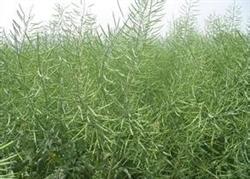
How to Fertilize Rapeseed for High Yield? A Detailed Guide to Practical Fertilization Methods
1. Apply seedling fertilizer early. In late November or early December, mainly use organic fertilizer, applying 1500-2000 kg of organic fertilizer per mu. For some fields with poor growth, an appropriate amount of chemical fertilizer should also be applied. 2. Apply stem-elongation fertilizer at the right time. Stem-elongation fertilizer should preferably be applied when the main stem bolts to 10 cm. For fields with good early seedling vigor, it may be slightly...
-
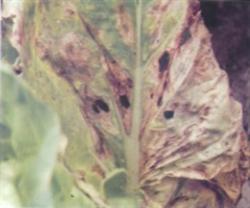
How to Treat Stunted Growth in Rapeseed with Targeted Control
[Distribution and Damage] It occurs in all rapeseed-producing areas, with more frequent occurrence in the Yangtze River Basin and South China. This disease is caused by Alternaria brassicae (Berk.) Sacc., A. brassicicola (Sehw.) Wiltshire, and A. raphani Gr. et S...
-
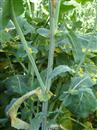
Control Methods and Key Technical Points for Sclerotinia Rot of Rapeseed
Sclerotinia rot of rapeseed, also called stem rot, is a fungal disease. It has a long period of harm, occurring from emergence to maturity, and is most prevalent after flowering. 1. After infection at the seedling stage, reddish-brown spots appear on the stem base and leaf stalks, then expand and turn white, with white cottony mycelium on the rotting tissue, and finally...
-
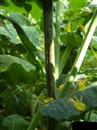
Leaf Color Diagnosis and Control Methods for Red and Yellow Seedlings in the Rapeseed Seedling Stage
Rapeseed stem rot, commonly known as "white stalk", "hemp stalk", "moldy root crown" and so on, is one of the main diseases affecting rapeseed growth. The control of rapeseed stem rot should focus on prevention, and the main technical control measures are as follows. 1. Prevent seed-borne infection: eliminate sclerotia and kill pathogens on seeds through screening, air separation, chemical seed dressing and other methods...
-
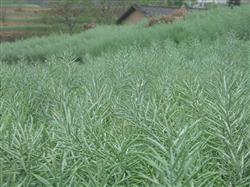
Weed Occurrence Characteristics and Control Methods in Rapeseed Fields
To obtain high quality and high yield in cultivated rapeseed, in addition to normal management such as timely sowing to secure seedlings, weeding and reducing waterlogging, skillful fertilizer application is the key to high yield. 1. Apply sufficient base fertilizer. Applying sufficient base fertilizer is the foundation for high rapeseed yield and should account for about 60% of the total for the whole growing period. To achieve a yield target of about 250 kg per mu, for medium-fertility...
-
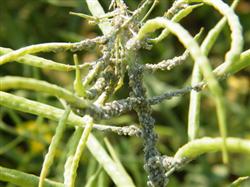
What are the methods for controlling rapeseed aphids?
[Distribution and damage] The aphids that damage rapeseed are mainly three species: the turnip aphid (Lipaphis erysimi), the green peach aphid (Myzus persicae) and the cabbage aphid (Brevicoryne brassicae). The turnip aphid and the green peach aphid occur commonly in all provinces (regions) of China. These three aphids often occur together on rapeseed, using their needle-like mouthparts to...
-
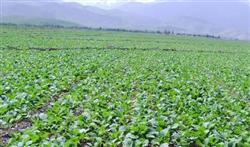
There are taboos in rapeseed cultivation; pay attention to these few things
Traditional rapeseed cultivation first requires raising seedlings in a seedbed, then plowing the main field, making beds, transplanting, and so on. The many steps, high labor demand, heavy labor intensity, and high cost restrict the expansion of rapeseed planting area and the improvement of economic returns. In recent years, other places and local areas are demonstrating and gradually promoting a new rapeseed cultivation technique...
-
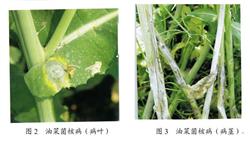
Key Technical Points for Integrated Control of Rapeseed Sclerotinia Stem Rot
Rapeseed sclerotinia stem rot is a major disease of rapeseed, widely distributed in China, especially common in the Yangtze River basin and the south. In ordinary years, incidence ranges from 10% to 30%, and in severe cases reaches 80%, causing very serious losses. Rapeseed sclerotinia stem rot is caused by a fungus, and it can occur at all stages of rapeseed growth, but it is most severe after flowering...
条件筛选