-
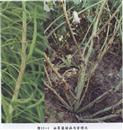
Broadleaf weeds during the rapeseed growing season can be controlled with herbicides
Rapeseed sclerotinia stem rot is one of the important diseases in rapeseed production. It can occur from the seedling stage to maturity, with damage to the stem being the most severe. Control methods: First, increase the application of phosphorus and potassium fertilizers and apply only a small amount of nitrogen fertilizer. At the same time, open drainage furrows to facilitate drainage, thin the seedlings properly, and maintain a reasonable density. Spray paclobutrazol to improve lodging resistance. A reasonable density...
-
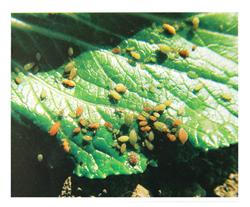
How to control aphids on rapeseed? These technical points need to be mastered
Aphids, commonly known as greasy bugs, are the main insect pest of rapeseed in Linxiang District, occurring in all major rapeseed-producing areas; when drought is severe in winter and spring, the pest is heavier in plots lacking irrigation conditions. Aphid damage mainly occurs from the bolting stage to the maturity stage of rapeseed, and untimely or improper control can cause a certain amount of yield loss. 1. Rapeseed aphids...
-
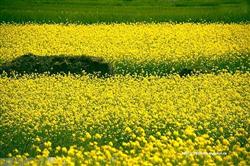
Techniques for Achieving High-Quality, High and Stable Yields in Rapeseed through Heavy Application of Boron Fertilizer
Rapeseed is a boron-demanding crop, and especially high-yield, high-quality cabbage-type "double-low" hybrid rapeseed is particularly sensitive to boron deficiency. Boron deficiency at the seedling stage causes slow rooting, dark green and wrinkled leaves, and stunted growth; boron deficiency at the bud-bolting stage causes swelling of the root crown, leaves turning purple to blue-purple, and abnormal flower bud development; boron deficiency at the flowering stage causes plant dwarfing and abnormal pollen...
-
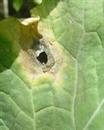
Opinions on the Occurrence of Sclerotinia Rot in Rapeseed and Its Control Techniques
This year's rapeseed growth is characterized by an earlier growth period than last year and a growth vigor close to last year's. The occurrence characteristics of rapeseed sclerotinia rot this year differ from previous years. Based on a comprehensive analysis of multiple factors including field inoculum sources, rapeseed growth vigor, varietal disease resistance and climatic conditions during the susceptible growth period, the natural occurrence level is a moderate-to-severe epidemic. ...
-
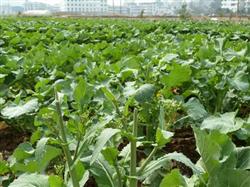
How to prevent fertilizer damage in rapeseed? Introduction to practical methods
1. Reform fertilization methods based on the principles of being practical, useful, and effective. Advocate the application of compost fermented with effective microorganisms and decomposed organic fertilizer, using layered application or full-layer deep application. According to the planned cropping sequence and total fertilization amount for the year, it can be applied all at once during deep plowing. Adopt formula fertilization technology, and properly manage the ratios of nitrogen, phosphorus, and potassium as well as trace...
-
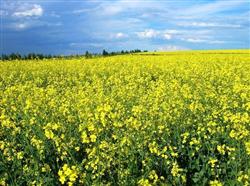
How to prevent and control weeds in rapeseed? Master the occurrence characteristics and control methods
The amount of nitrogen, phosphorus and potassium absorbed by rapeseed is nitrogen greater than potassium, and potassium greater than phosphorus. For every 1000 kg of rapeseed produced, it needs to absorb 2.76 kg of nitrogen, 0.33 kg of phosphorus and 2.06 kg of potassium. The absorption ratio of nitrogen, phosphorus and potassium is 8.38:1:6.24. A deficiency of the trace element boron will produce boron deficiency symptoms. Rapeseed plants...
-
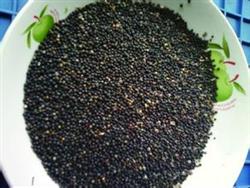
Apply one round of Gramoxone to control weeds before sowing or transplanting rapeseed
20% Gramoxone aqueous solution is a contact, non-selective herbicide. When rice, cotton and other crops are harvested and the stubble is cleared, spraying Gramoxone before no-till direct seeding or transplanting rapeseed can build soil fertility, improve soil structure, increase aeration, and preserve fertilizer and water. Compared with plow-tillage rapeseed cultivation, it saves labor and cost, especially in rural areas where labor has been greatly reduced...
-
How to prevent and control rapeseed viral disease? A detailed practical guide
Viral disease is one of the main diseases of rapeseed. Affected plants reduce yield by around 20%, and in severe cases by more than 70%. It is generally more susceptible in years with little rain or in areas where vegetables are often grown nearby. Comprehensive control techniques must be adopted to prevent and control rapeseed viral disease. First, disease-resistant varieties should be selected; second, aphids should be controlled in a timely manner; third...
-
Detailed explanation of the double-low rapeseed minimal and no-tillage relay direct seeding cultivation technique
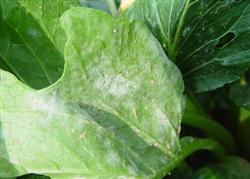
Controlling rapeseed powdery mildew well is a prerequisite for obtaining high yield and high quality in rapeseed, while autumn-sown rapeseed at the final flowering stage and the middle-to-late pod stage is precisely in the March-April period of high temperatures and shading between plants, when powdery mildew occurs rather commonly, greatly reducing the 1000-grain weight of rapeseed and thereby affecting yield; therefore, the control of rapeseed powdery mildew is very important. 1. Harm...
-
Effect of phosphorus nutrition on double-low rapeseed and the timing of application
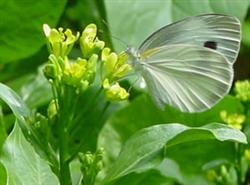
Rapeseed white butterfly, scientific name Artogeia (Pieris) rapae (Linnaeus), order Lepidoptera, family Pieridae. Synonym Artogeia rapae (L.). Also known as the cabbage white butterfly, white powder butterfly. The larva is called the cabbage caterpillar. Distributed throughout the country. Hosts include rapeseed, cabbage, cauliflower, Chinese cabbage, radish and other cruciferous vegetables...
条件筛选