-
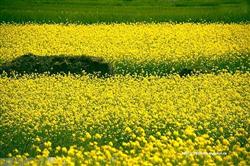
Techniques for Achieving High-Quality, High and Stable Yields in Rapeseed through Heavy Application of Boron Fertilizer
Rapeseed is a boron-demanding crop, and especially high-yield, high-quality cabbage-type "double-low" hybrid rapeseed is particularly sensitive to boron deficiency. Boron deficiency at the seedling stage causes slow rooting, dark green and wrinkled leaves, and stunted growth; boron deficiency at the bud-bolting stage causes swelling of the root crown, leaves turning purple to blue-purple, and abnormal flower bud development; boron deficiency at the flowering stage causes plant dwarfing and abnormal pollen...
-
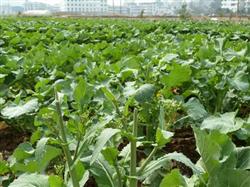
How to prevent fertilizer damage in rapeseed? Introduction to practical methods
1. Reform fertilization methods based on the principles of being practical, useful, and effective. Advocate the application of compost fermented with effective microorganisms and decomposed organic fertilizer, using layered application or full-layer deep application. According to the planned cropping sequence and total fertilization amount for the year, it can be applied all at once during deep plowing. Adopt formula fertilization technology, and properly manage the ratios of nitrogen, phosphorus, and potassium as well as trace...
-
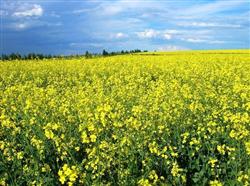
How to prevent and control weeds in rapeseed? Master the occurrence characteristics and control methods
The amount of nitrogen, phosphorus and potassium absorbed by rapeseed is nitrogen greater than potassium, and potassium greater than phosphorus. For every 1000 kg of rapeseed produced, it needs to absorb 2.76 kg of nitrogen, 0.33 kg of phosphorus and 2.06 kg of potassium. The absorption ratio of nitrogen, phosphorus and potassium is 8.38:1:6.24. A deficiency of the trace element boron will produce boron deficiency symptoms. Rapeseed plants...
-
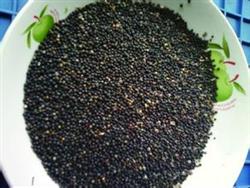
Apply one round of Gramoxone to control weeds before sowing or transplanting rapeseed
20% Gramoxone aqueous solution is a contact, non-selective herbicide. When rice, cotton and other crops are harvested and the stubble is cleared, spraying Gramoxone before no-till direct seeding or transplanting rapeseed can build soil fertility, improve soil structure, increase aeration, and preserve fertilizer and water. Compared with plow-tillage rapeseed cultivation, it saves labor and cost, especially in rural areas where labor has been greatly reduced...
-

-
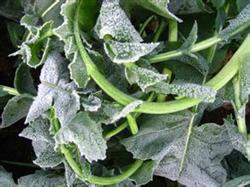
How to prevent frost damage in rapeseed? Applying to the soil and spraying on the leaves works well
Rapeseed is a winter crop. If the variety is chosen improperly, sowing or transplanting is too late, or fertilization is improper, frost damage is likely to occur. To prevent frost damage in rapeseed, in addition to selecting cold-resistant and hardy varieties, sowing at the right time, and raising strong seedlings for transplanting, the following technical measures should also be emphasized: increasing the application of phosphorus and potassium fertilizers. Phosphorus can promote the development of the rapeseed root system and enhance the...
-
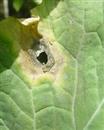
What three things should be noted in spring management of dryland rapeseed?
Sclerotinia rot of rapeseed is a major disease harming rapeseed, and its control must be taken seriously to reduce the damage and minimize losses. Symptoms: when the disease occurs, the lesions on rapeseed leaves are round or irregular, grayish brown or yellow-brown in the center, dark bluish in the middle, with a yellow halo on the outer edge. When dry, the lesions rupture and perforate; under humid conditions...
-
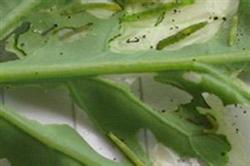
What are the field management measures for wheat and rapeseed during the overwintering period?
The diamondback moth is one of the main pests on rapeseed. In the central Jiangsu region, it can occur 3-4 generations in a single rapeseed growing season, with overlapping generations. When temperatures rise above 12°C (March-April), it is the peak period of damage. When rapeseed seedlings have 8-10 leaves, field inspections should be carried out. When larvae reach 20 or more per square meter, pesticide control should be applied immediately, ...
-
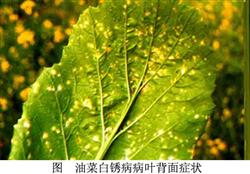
Five key steps for transplanting rapeseed on stubble fields
1. Symptom characteristics. Rapeseed white rust mainly infects leaves, stems, flower stalks and floral organs. The symptoms on leaves and stems are characterized by blister-like lesions. The blister surface is white or milky white, slightly raised, small (ranging from 1 to 3 mm), and numerous; after rupturing, it releases a white powdery substance (the sign of disease), eventually causing the leaves to turn yellow and drop early....
-
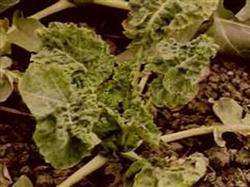
Symptom Identification and Control Methods of Rapeseed Viral Diseases
[Distribution and Damage] It occurs to varying degrees in all rapeseed-producing areas across the country, and generally the winter rapeseed areas suffer more severe disease than the spring rapeseed areas. This disease is caused by single or mixed infection of viruses such as Turnip mosaic virus (TuMV), Cucumber mosaic virus (CMV), Tobacco mosaic virus (TMV) and Rapeseed mosaic virus (YMV). Generally, yield is reduced by 20%-3...
条件筛选