-
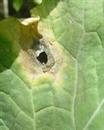
Opinions on the Occurrence of Sclerotinia Rot in Rapeseed and Its Control Techniques
This year's rapeseed growth is characterized by an earlier growth period than last year and a growth vigor close to last year's. The occurrence characteristics of rapeseed sclerotinia rot this year differ from previous years. Based on a comprehensive analysis of multiple factors including field inoculum sources, rapeseed growth vigor, varietal disease resistance and climatic conditions during the susceptible growth period, the natural occurrence level is a moderate-to-severe epidemic. ...
-

What does "flowers but no seeds" mean in rapeseed cultivation?
What is rapeseed "flowers but no seeds"? What methods are there to prevent and control it? Please explain. Rapeseed "flowers but no seeds", also called stunted sterility, means that from the onset of the disease to maturity, the plant keeps flowering continuously but cannot set seed normally. The main cause is a physiological disease caused by growing rapeseed on boron-deficient soil, mainly occurring in Brassica napus varieties, but in recent years it has also been found in Brassica rapa rapeseed. After the disease occurs, yields generally drop by 20% to 30%, and in severe cases there is even almost no harvest, making it a problem worth attention in rapeseed production.
-
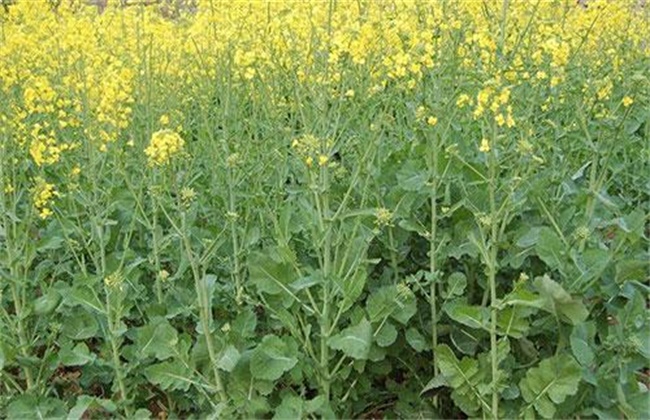
What to Do When Rapeseed Seedlings Are Weak and Won't Grow Tall? Causes and Solutions
Causes and Solutions for Weak Rapeseed Seedlings That Won't Grow Tall
-
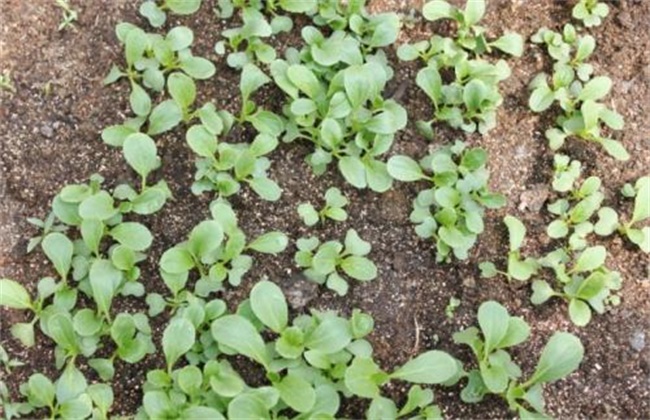
Detailed Explanation of the Causes of Yellowing in Rapeseed Seedlings and Remedial Measures
Causes of Yellowing in Rapeseed Seedlings and Remedial Measures
-

What causes abnormal leaf color in rapeseed? Cause analysis and control methods
Causes of abnormal leaf color in rapeseed and control methods
-

What to Do About Boron Deficiency in Rapeseed? Symptom Identification and Control Methods
Boron Deficiency Symptoms in Rapeseed and Control Methods
-

What are the causes of stiff seedlings in rapeseed and the control methods?
Causes of stiff seedlings in rapeseed and control methods
-
How to grow strong rapeseed seedlings? Master these key seedling-raising techniques
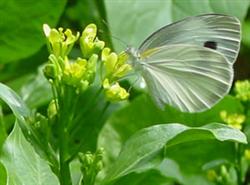
The rapeseed white butterfly, scientific name Artogeia (Pieris) rapae (Linnaeus), belongs to Lepidoptera, Pieridae. Synonym Artogeia rapae (L.). Also known as the cabbage white butterfly, white butterfly. The larva is called the cabbage caterpillar. It is distributed throughout the country. Its hosts include rapeseed, cabbage, cauliflower, Chinese cabbage, radish and other cruciferous vegetables...
-
Detailed explanation of the double-low rapeseed minimal and no-tillage relay direct seeding cultivation technique
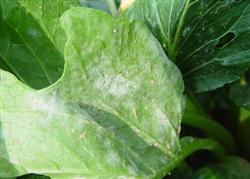
Controlling rapeseed powdery mildew well is a prerequisite for obtaining high yield and high quality in rapeseed, while autumn-sown rapeseed at the final flowering stage and the middle-to-late pod stage is precisely in the March-April period of high temperatures and shading between plants, when powdery mildew occurs rather commonly, greatly reducing the 1000-grain weight of rapeseed and thereby affecting yield; therefore, the control of rapeseed powdery mildew is very important. 1. Harm...
-
Effect of phosphorus nutrition on double-low rapeseed and the timing of application
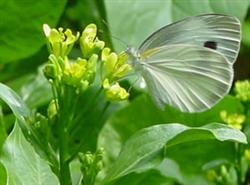
Rapeseed white butterfly, scientific name Artogeia (Pieris) rapae (Linnaeus), order Lepidoptera, family Pieridae. Synonym Artogeia rapae (L.). Also known as the cabbage white butterfly, white powder butterfly. The larva is called the cabbage caterpillar. Distributed throughout the country. Hosts include rapeseed, cabbage, cauliflower, Chinese cabbage, radish and other cruciferous vegetables...
条件筛选