-

-
-
-
What are the symptoms of viral disease in Brassica napus (rapeseed)?
Symptoms of viral disease in Brassica napus
-
-
Detailed explanation of high-yield rapeseed seedling-raising techniques: master the key points, grow strong seedlings, and achieve high yields
High-yield rapeseed seedling-raising techniques
-
What are the measures for overwintering rapeseed to prevent freezing and protect seedlings
Measures for preventing freezing and protecting seedlings in overwintering rapeseed
-
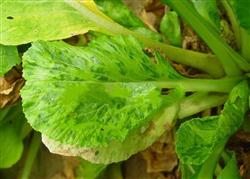
What are the control methods for rapeseed viral disease?
How to control rapeseed viral disease? Please advise. Rapeseed viral disease symptoms occur in all rapeseed production areas nationwide, with especially severe incidence in the winter rapeseed areas of North China, Southwest China, and Central China. The symptoms of this disease vary slightly depending on the type of rapeseed. Brassica rapa and Brassica juncea mainly develop chlorosis along both sides of the leaf veins, with leaves showing a yellow-green mosaic pattern, and the veins appearing translucent; in severe cases, the leaves shrink, curl, or become deformed, and diseased plants are markedly stunted, mostly dying before or at the bolting stage. Plants with mild infection and late onset may still bolt, but the flowering stems are curved or stunted, flowers and pods are densely packed, pods are shrunken and thin, and maturity is advanced. Brassica napus, by contrast, develops systemic necrotic spots, with symptoms appearing early and conspicuously on old leaves, then spreading to newly emerged leaves. At the initial stage of infection, needle-tip-sized transparent spots appear, which later expand into nearly round 2-4 mm yellow spots with dark brown necrotic centers, and the necrotic spots are surrounded by an oil-soaked appearance. On the stems and bolts, purplish-black spindle-shaped to elongated lesions appear, spreading from the middle-lower part toward the branches and fruit stalks; in the later stage, the stem lesions mostly split longitudinally or transversely, and the flowers and pods tend to wilt or die. The pods develop black necrotic spots and are mostly deformed.
-
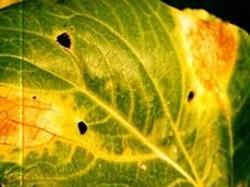
What are the key points to note in rapeseed cultivation and management?
How to prevent and control black rot in rapeseed? Please advise. The symptoms of black rot in rapeseed mainly affect leaves, stems and siliques. Both seedlings and mature plants can be affected. Infected leaves show yellow "V"-shaped spots, dark brown veins, and dark green water-soaked petioles, sometimes with yellow bacterial ooze, and the lesions expand until the leaves dry up. After bolting, the main axis...
-
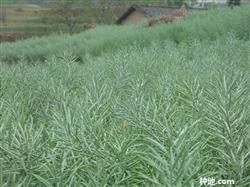
What are the key points of high-yield fertilization methods for rapeseed?
How should rapeseed be fertilized for high yield? Please introduce the following methods that can be referenced for fertilizing rapeseed: 1. Apply seedling fertilizer early. Seedling fertilizer should be applied appropriately early, and the application amount should account for 10%-15% of the total fertilization amount. Generally, apply 500 kg of decomposed human manure and urine per mu, plus 5-7 kg of urea or 10-15 kg of ammonium bicarbonate. When applying chemical fertilizer, it is best to dilute the fertilizer with clean water...
条件筛选