-
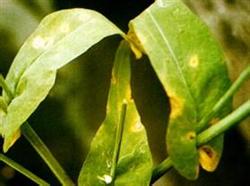
Early control of rapeseed sclerotinia and aphids is essential
According to recent surveys by regional forecasting stations, there is currently an abundant source of sclerotinia inoculum in rapeseed fields in our province, the disease resistance of the varieties is not strong, and the weather forecast indicates above-average rainfall during the rapeseed flowering period. Sclerotinia is expected to occur at a moderate level, with local areas along the south of the Jiangsu River expected to have heavier occurrence, and the severity will be slightly greater than last year. In addition, aphid populations in rapeseed in most areas are...
-
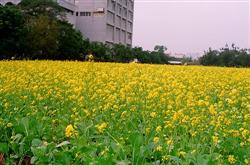
New tricks for winter management of rapeseed: master the methods to help it overwinter
Generally, the boron content in cruciferous crops is higher than in monocotyledonous crops; usually, crops with a high boron content also have a high boron requirement. Boron can promote the normal development of the reproductive organs of boron-loving crops such as rapeseed, accelerate pollen germination and pollen tube elongation, and facilitate fertilization and seed setting. When boron is deficient, these organs may wilt...
-

Correct application methods and technical key points for boron nutrition in rapeseed
Correct application of boron nutrition in rapeseed
-
Symptoms of Nutrient Deficiency in Rapeseed and Remedial Measures
Nutrient Deficiency in Rapeseed and Its Remedial Measures
-
What are the requirements of direct-seeded rapeseed for the preceding crop?
Requirements of direct-seeded rapeseed for the preceding crop
-
When is the most suitable time to sow directly seeded rapeseed?
The suitable sowing time for directly seeded rapeseed
-
Technique for Chemical Regulation of Direct-Seeded Rapeseed Before Overwintering to Cultivate Strong Seedlings
Chemical Regulation of Direct-Seeded Rapeseed Before Overwintering to Cultivate Strong Seedlings ⟦3 (Agricultural Wealth Network) Cultivating short, sturdy, and strong seedlings for overwintering is the foundation for high rapeseed yields. Paclobutrazol and uniconazole are broad-spectrum plant growth regulators. Using paclobutrazol or uniconazole to cultivate strong seedlings can enhance stress resistance and is an indispensable key technique. The methods for using paclobutrazol and uniconazole are: in mid-December, when direct-seeded rapeseed reaches the 4-leaf stage, use 50 grams of 15% paclobutrazol wettable powder per mu, diluted in 50 liters of water for foliar spraying; alternatively, use 11 grams of 5% uniconazole wettable powder, diluted in 50 liters of water for foliar spraying.
-
Detailed Explanation of Key Technical Points for Applying Paclobutrazol to Rapeseed
Application Technology of Paclobutrazol on Rapeseed
-
What are the late-stage symptoms of sclerotinia stem rot in rapeseed?
Late-stage symptoms of sclerotinia stem rot in rapeseed
-
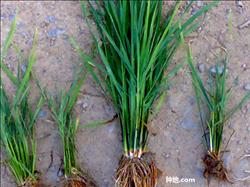
How to manage rapeseed cultivation? Key technical points explained in detail
How to prevent and control rice "sitting stump" disease? Please help. Rice "sitting stump" disease, namely rice red blight, is a common physiological disease in rice production. It generally begins to develop about 15 days after transplanting. If a cold wave occurs after transplanting, in cold-waterlogged fields, muddy fields, deep-water fields, fields where undecomposed organic fertilizer has been applied, fields with one-sided application of single-element chemical fertilizers, or fields lacking potassium...
条件筛选