-
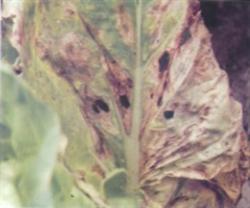
How to Treat Stunted Growth in Rapeseed with Targeted Control
[Distribution and Damage] It occurs in all rapeseed-producing areas, with more frequent occurrence in the Yangtze River Basin and South China. This disease is caused by Alternaria brassicae (Berk.) Sacc., A. brassicicola (Sehw.) Wiltshire, and A. raphani Gr. et S...
-
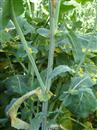
Control Methods and Key Technical Points for Sclerotinia Rot of Rapeseed
Sclerotinia rot of rapeseed, also called stem rot, is a fungal disease. It has a long period of harm, occurring from emergence to maturity, and is most prevalent after flowering. 1. After infection at the seedling stage, reddish-brown spots appear on the stem base and leaf stalks, then expand and turn white, with white cottony mycelium on the rotting tissue, and finally...
-
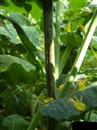
Leaf Color Diagnosis and Control Methods for Red and Yellow Seedlings in the Rapeseed Seedling Stage
Rapeseed stem rot, commonly known as "white stalk", "hemp stalk", "moldy root crown" and so on, is one of the main diseases affecting rapeseed growth. The control of rapeseed stem rot should focus on prevention, and the main technical control measures are as follows. 1. Prevent seed-borne infection: eliminate sclerotia and kill pathogens on seeds through screening, air separation, chemical seed dressing and other methods...
-
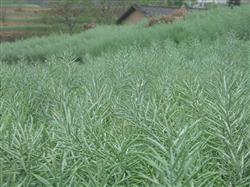
Weed Occurrence Characteristics and Control Methods in Rapeseed Fields
To obtain high quality and high yield in cultivated rapeseed, in addition to normal management such as timely sowing to secure seedlings, weeding and reducing waterlogging, skillful fertilizer application is the key to high yield. 1. Apply sufficient base fertilizer. Applying sufficient base fertilizer is the foundation for high rapeseed yield and should account for about 60% of the total for the whole growing period. To achieve a yield target of about 250 kg per mu, for medium-fertility...
-
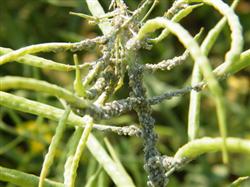
What are the methods for controlling rapeseed aphids?
[Distribution and damage] The aphids that damage rapeseed are mainly three species: the turnip aphid (Lipaphis erysimi), the green peach aphid (Myzus persicae) and the cabbage aphid (Brevicoryne brassicae). The turnip aphid and the green peach aphid occur commonly in all provinces (regions) of China. These three aphids often occur together on rapeseed, using their needle-like mouthparts to...
-
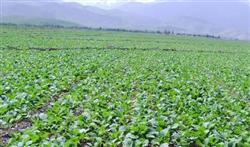
There are taboos in rapeseed cultivation; pay attention to these few things
Traditional rapeseed cultivation first requires raising seedlings in a seedbed, then plowing the main field, making beds, transplanting, and so on. The many steps, high labor demand, heavy labor intensity, and high cost restrict the expansion of rapeseed planting area and the improvement of economic returns. In recent years, other places and local areas are demonstrating and gradually promoting a new rapeseed cultivation technique...
-
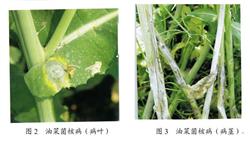
Key Technical Points for Integrated Control of Rapeseed Sclerotinia Stem Rot
Rapeseed sclerotinia stem rot is a major disease of rapeseed, widely distributed in China, especially common in the Yangtze River basin and the south. In ordinary years, incidence ranges from 10% to 30%, and in severe cases reaches 80%, causing very serious losses. Rapeseed sclerotinia stem rot is caused by a fungus, and it can occur at all stages of rapeseed growth, but it is most severe after flowering...
-
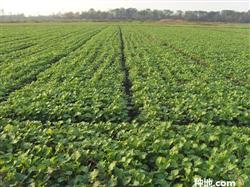
What should be noted when fertilizing rapeseed? These key points must be mastered
What should be noted when fertilizing rapeseed? Please advise: when fertilizing rapeseed, the following three points should be noted: 1. Do not apply fertilizer in holes. Applying fertilizer in holes easily causes excessive local fertilizer concentration, so the roots cannot absorb it evenly, and it may even cause rapeseed poisoning and root burn, affecting growth, especially when ammonium bicarbonate is applied in holes. Therefore, rapeseed fertilization is best...
-
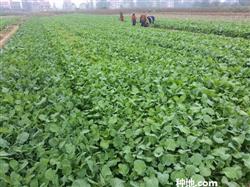
What should be noted when applying boron to rapeseed? Master the correct application method
How to fertilize rapeseed scientifically? Please advise. In rapeseed production in the Yangtze River Basin, the application rates of nitrogen, phosphorus and potassium fertilizers are generally low, the nutrient ratios are unbalanced, organic fertilizer application is insufficient, the straw return rate is low, and deficiencies of trace elements such as boron occur from time to time. Fertilization principles: increase organic fertilizer application and advocate straw return; supplement according to the soil...
-
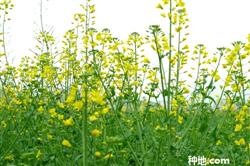
What are the key technical points for fertilizing rapeseed during the bud emergence and bolting stage?
How should rapeseed be fertilized during the bud emergence and bolting stage? Please advise. When rapeseed enters the bud emergence and bolting stage, the period from bud emergence and bolting to flowering is when both vegetative growth and reproductive growth are vigorous. This period is called the double-vigorous stage. The main objective at this stage is steady spring growth, promoting thick stems, and maintaining a relatively high number of green leaves, to lay a foundation for high yield...
条件筛选